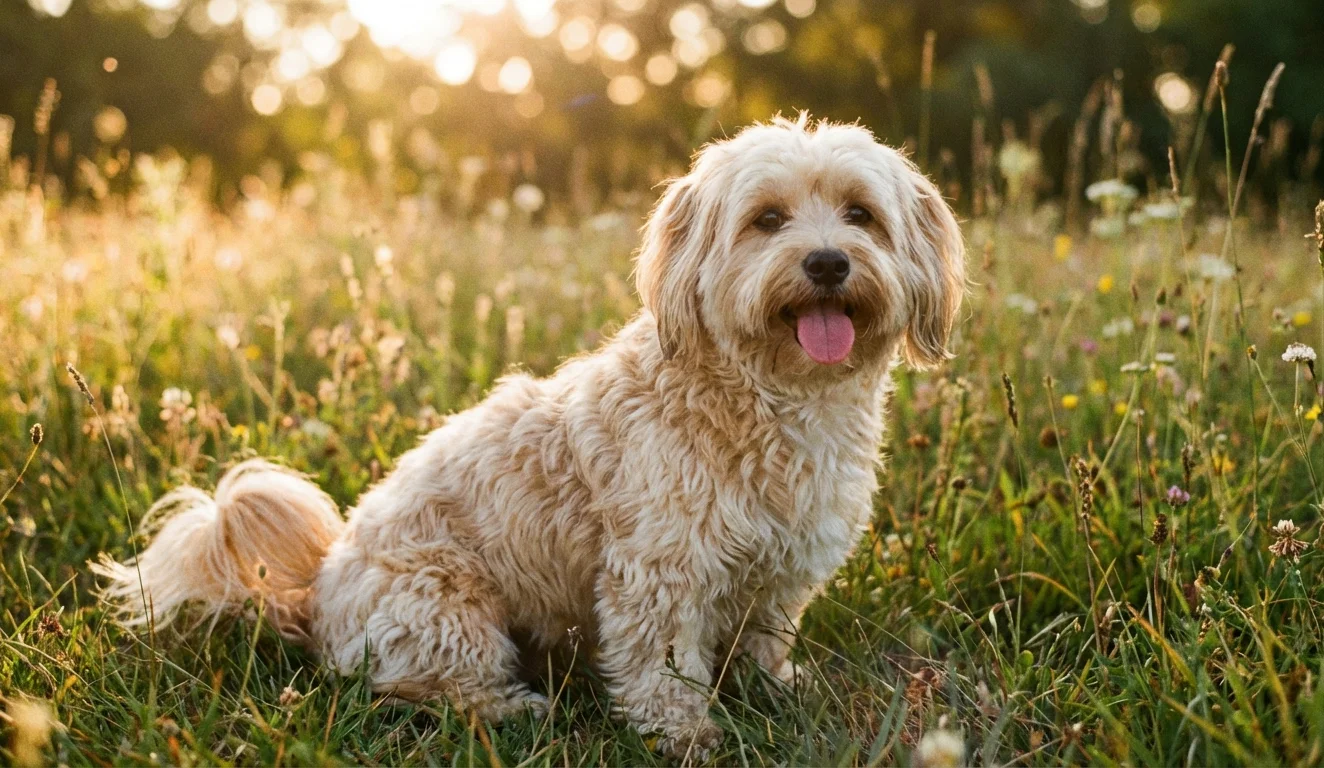
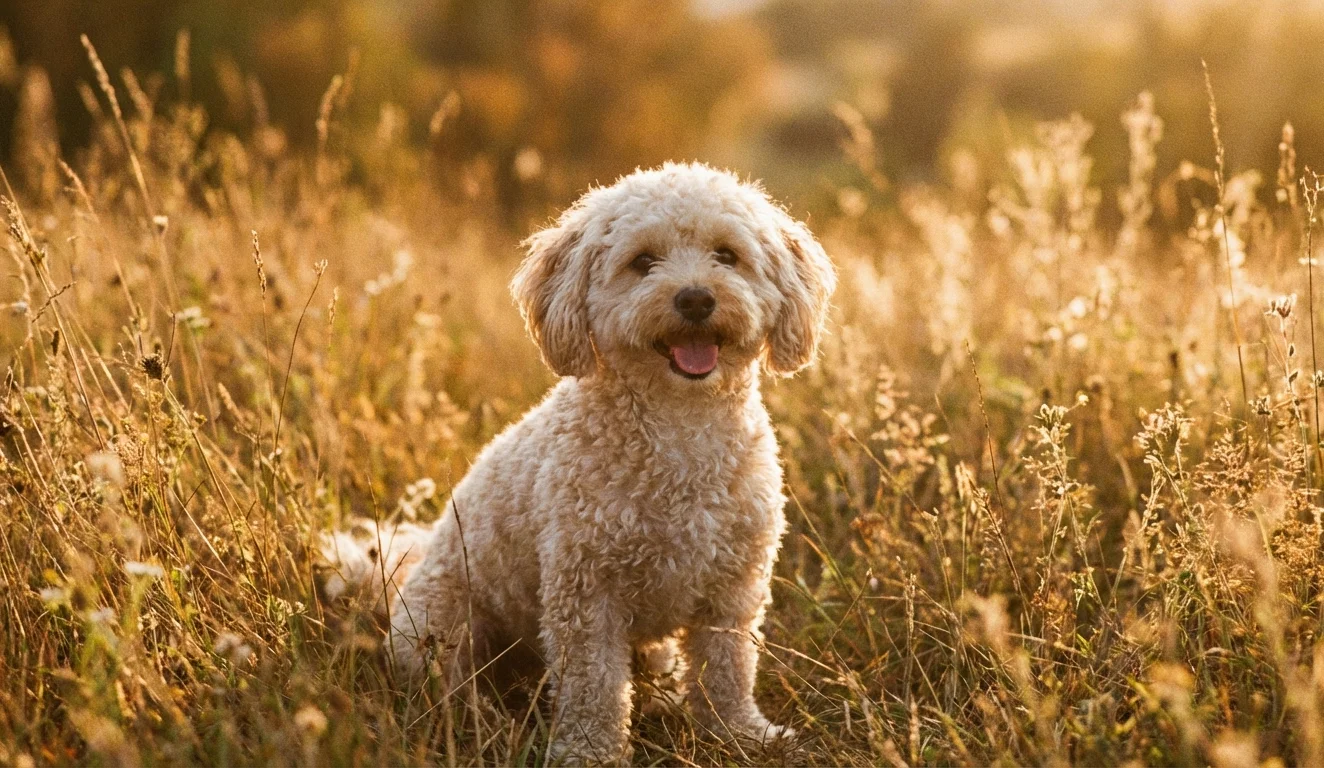
Maltipoo Breed Guide: Small, Loud, and Impossible Not to Love (2026)
The Maltipoo is a Maltese-Poodle cross that weighs 5-20 pounds and thinks it's the center of the universe. Spoiler: it kind of is.
The Maltipoo is a cross between a Maltese and a Poodle (Toy or Miniature), and the result is a 5-20 pound dog that lives 12-15 years and has more personality per pound than almost any breed we can think of. They’re affectionate, playful, and charming in the specific way that a dog who knows it’s adorable can be charming. The coat is low-shedding. The face is photogenic. The temperament is built for companionship. On the surface, it’s hard to find a downside.
In Short: 5–20 lbs, 12–15 years. Moderate energy. Low-shedding (often called hypoallergenic, though no dog truly is). Watch for Patellar Luxation. Great for families and first-time owners, apartment-friendly.
But here’s the thing: Maltipoos bark. Not a little, a lot. They have a moderate-to-high barking level, and “moderate-to-high” is probably the polite way to put it. They’ll alert bark, excitement bark, frustration bark, and sometimes bark because they heard themselves bark and that was interesting too. If noise sensitivity is something you care about, apartment neighbors, babies sleeping, your own sanity, this is something to take seriously before committing. We love Maltipoos. We also think anyone considering one deserves to know about the sound situation upfront. (We have profiles for other Poodle mixes like Goldendoodles, Cockapoos, and Labradoodles if you want to compare options.)
Maltipoo at a Glance
| Trait | Details |
|---|---|
| Size | Standard: 10-20 lbs / Mini: 5-10 lbs |
| Height | 8-14 inches |
| Lifespan | 12-15 years |
| Energy Level | Moderate, playful but not hyperactive |
| Shedding | Low |
| Good with Kids | Yes, with supervised interaction |
| Good with Other Pets | Yes, generally good |
| Trainability | High, smart and eager to please |
| Price Range | $1,000-$4,000 from a reputable breeder |
History
The Maltipoo was first intentionally bred in the United States in the late 1990s and early 2000s, riding the wave of designer crossbreed popularity that the Labradoodle kicked off. The idea was to combine the Maltese’s gentle, devoted temperament and silky white coat with the Poodle’s intelligence, trainability, and low-shedding properties.
The Maltese is one of the oldest toy breeds in existence, with a history stretching back at least 2,000 years to the Mediterranean. Ancient Greeks and Romans kept Maltese as cherished companions, and the breed appears in art and literature from multiple civilizations. They’ve been lap dogs since before the term existed. The breed’s sole purpose, across its entire history, has been human companionship, no hunting, no herding, no guarding. Just being with people.
The Poodle, despite the fancy reputation, is a working retriever originally bred in Germany (not France, despite the popular association) for water retrieving. Poodles are ranked #2 in working intelligence and bring that sharpness to the cross. The Toy and Miniature varieties used in Maltipoo breeding have been popular companion dogs for centuries in their own right.
The Maltipoo is not recognized by the AKC and has no official breed standard, which means size, coat type, and temperament can vary more than you’d see in purebreds. Even so, the cross has become remarkably popular, Maltipoos are consistently among the most sought-after designer breeds, especially for apartment dwellers and seniors looking for a small, affectionate dog.
Maltipoo Generations
- F1: One Maltese parent, one Poodle parent. The most common generation.
- F1B: F1 Maltipoo bred back to a Poodle. Curlier coat, even lower shedding.
- F2: Two F1 Maltipoo parents. Least predictable for coat and size traits.
Size and Appearance
Maltipoo size is driven by the Poodle parent.
Standard Maltipoo: 10-20 pounds, 10-14 inches tall. Uses a Miniature Poodle parent. These are sturdy little dogs that still feel compact enough for lap time.
Mini Maltipoo: 5-10 pounds, 8-10 inches tall. Uses a Toy Poodle parent. Extremely portable and popular with people who want a dog they can carry, though the very smallest ones can have fragility concerns.
Coat Types
Maltipoo coats are generally soft and low-shedding, but texture varies:
- Curly coat: Tight Poodle-like curls. Lowest shedding, highest grooming needs. Most common in F1B Maltipoos.
- Wavy coat: Soft, loose waves. The most popular Maltipoo look and the most common in F1 Maltipoos. Moderate grooming needs.
- Straight/silky coat: Takes more after the Maltese parent. Beautiful but sheds slightly more than curly or wavy. Tangles easily.
Colors include white, cream, apricot, red, cafe au lait, silver, and black. White and cream are the most common (the Maltese influence), but apricot Maltipoos have become increasingly popular. Some Maltipoos lighten significantly as they mature, a puppy that looks apricot at 8 weeks may be cream-colored by age 2.
The Maltipoo face is round and expressive with dark eyes that seem slightly too large for the head. It’s the teddy bear look that the entire designer breed market revolves around, and Maltipoos do it as well as any cross.
Maltipoo Temperament
Maltipoos are companion dogs in the purest sense. Both parent breeds were developed for human partnership, and that shows in every aspect of the Maltipoo’s personality.
They’re devoted to the point of being clingy. Maltipoos want to be on you, next to you, or within arm’s reach at all times. They’ll follow you from the kitchen to the bathroom to the bedroom and back. This devotion is one of their most endearing qualities, until you need to leave the house and the dog loses its mind. Separation anxiety is common in this cross, and it’s the behavioral issue Maltipoo owners report most frequently.
They’re charming with strangers. Unlike some small breeds that are wary of new people, Maltipoos generally love meeting everyone. They’ll climb into a visitor’s lap within five minutes of meeting them. This makes them terrible guard dogs but excellent therapy dog candidates.
The barking, though. We mentioned it above and we’re mentioning it again because it’s that significant. Maltipoos are vocal dogs. The Maltese side contributes alert-barking tendencies, and the small-dog confidence from both parent breeds means they have opinions about everything and share them at volume. Training can reduce barking, but it won’t eliminate it. If you live in a noise-sensitive environment, this is a real consideration.
They have a playful streak that lasts. Maltipoos stay puppy-like in their playfulness well into adulthood. They’ll do zoomies around the living room at age 8, bring you toys at age 10, and generally refuse to act their age. We’ve heard from multiple Maltipoo owners who say their 12-year-old still plays like a puppy.
Exercise Needs
Maltipoos need about 30 minutes of exercise per day, making them one of the lower-maintenance Poodle crosses in terms of activity requirements. They’re active enough to enjoy walks and play sessions but not so high-energy that they’ll destroy your house if you miss a day.
What works well:
- Two short walks (15 minutes each), enough to stretch their legs and sniff things
- Indoor play sessions with small toys, especially tug and fetch
- Puzzle feeders and treat-dispensing toys for mental stimulation
- Short supervised play dates with similarly sized dogs
Maltipoos aren’t built for intense physical activity. Their small size and delicate joints mean you should avoid long runs, excessive jumping, and rough play with larger dogs. Stairs can also be tough on very small Maltipoos, some owners use ramps for furniture access.
Temperature matters. Like most small, low-body-fat dogs, Maltipoos are cold-sensitive. Below about 45 degrees, they need a coat for outdoor walks. They also overheat faster than larger dogs, so keep summer exercise to cooler parts of the day.
Grooming
Maltipoo grooming is an ongoing commitment, and it’s the area where new owners most often underestimate the work involved.
Brushing should happen daily. Regardless of coat type, daily brushing prevents the matting that Maltipoo coats are prone to. A slicker brush for the body and a steel comb for around the face, ears, and legs. If you skip brushing for more than a few days, mats start forming, especially in the armpits, behind the ears, and around the base of the tail. Severe mats eventually need to be shaved out, which nobody wants.
Professional grooming every 4-6 weeks. That’s more frequent than many Poodle crosses, partly because the Maltese coat contribution grows long quickly. A full groom runs $40-$70 depending on size and location. The “puppy cut” is the most popular choice, uniform length all over, trimmed face, clean feet.
Eye staining is common. Maltipoos (especially white and light-colored ones) develop tear stains, reddish-brown streaks under the eyes. This is partly genetic and partly due to tear duct anatomy. Daily wiping with a damp cloth or specialized tear stain wipe helps manage it. It’s cosmetic, not a health issue, but it bothers some owners more than others.
Dental care is critical. Small breeds with small mouths have crowded teeth that are prone to decay. Brush your Maltipoo’s teeth at least 3-4 times per week. Annual dental cleanings at the vet ($200-$500) are a smart investment for this breed.
Annual grooming costs run about $500-$800, which makes grooming one of the larger ongoing expenses for Maltipoo owners.
Maltipoo Health Issues
Maltipoos are generally healthy dogs with a good lifespan, but both parent breeds contribute specific conditions to watch for.
Patellar Luxation, Common in the breed. The kneecap dislocates from its groove, and you’ll often notice the dog hopping or skipping on a back leg before the kneecap pops back into place. Mild cases are managed with weight control and joint supplements. Severe cases require surgery at $1,500-$3,000 per knee.
White Shaker Syndrome, This condition causes full-body tremors and is most common in small white dogs, which describes a lot of Maltipoos. The tremors typically appear between 6 months and 3 years of age and can look alarming, but the condition responds well to corticosteroid treatment. Management costs run $500-$2,000.
Progressive Retinal Atrophy (PRA), Inherited from both parent breeds. A degenerative eye condition leading to blindness. DNA testing before breeding eliminates this risk, so always ask breeders about PRA clearance. Testing and management costs: $2,000-$3,000.
Epilepsy, Low-to-moderate prevalence. Seizures can range from mild and infrequent to severe. Lifelong medication is typically needed, with costs ranging from $500-$5,000 depending on severity and response to treatment.
Portosystemic Liver Shunt, A blood vessel bypasses the liver, allowing toxins to enter the bloodstream. It’s a serious condition, more common in toy breeds. Signs include poor growth, confusion after eating, and seizures. Surgical correction costs $3,000-$8,000, but the prognosis after surgery is often good.
Health Testing for Maltipoo Breeders
Ask for:
- Patellar evaluation (OFA)
- Eye exam (CERF or OFA)
- DNA testing for PRA
- Cardiac evaluation
- Liver function screening (especially for toy-sized Maltipoos)
Training
Maltipoos are smart and generally eager to please, which makes training enjoyable once you understand what motivates them. They respond beautifully to positive reinforcement, small treats, enthusiastic praise, and attention. Harsh corrections don’t work and will damage the trust this breed needs to thrive.
Short sessions work best. Aim for 5-10 minute sessions, two or three times a day. Maltipoos have the intelligence to learn quickly but the attention span of a small dog, which means they’ll start strong and then get distracted by something more interesting. End on a success.
Barking is the training priority. Seriously. Start teaching “quiet” from day one, and be consistent about not reinforcing alert barking by running to the window every time they sound off. Redirect their attention, reward quiet behavior, and accept that you’ll reduce but never fully eliminate the barking.
Socialization between 8-16 weeks shapes the adult dog. Expose your Maltipoo puppy to different people, gentle dogs, varied environments, and common household sounds (vacuum, doorbell, blender). A confident Maltipoo that’s been properly socialized is a relaxed and friendly dog. One that hasn’t is often nervous and reactive.
Housetraining requires patience. Like many small breeds, Maltipoos have small bladders and can take longer to housetrain than larger dogs. Consistent scheduling, out first thing in the morning, after meals, after naps, before bed, combined with positive reinforcement for going in the right spot. Many Maltipoo owners keep indoor pee pads as a backup option, especially in cold weather.
Cost
Maltipoos are moderately priced to purchase and relatively affordable to maintain thanks to their small size and modest food needs. Grooming is the primary recurring expense.
Purchase Price
- Reputable breeder: $1,000-$4,000. Prices vary by breeder reputation, health testing, color, size, and generation. Toy-sized Maltipoos and unusual colors (like red or silver) tend to command higher prices.
- Adoption/rescue: $150-$400. Maltipoos do end up in rescues, and adult dogs are sometimes available through breed-specific rescue organizations.
First-Year Costs
| Expense | Estimated Cost |
|---|---|
| Spay/neuter | $200-$400 |
| Vaccinations and first-year vet visits | $300-$600 |
| Crate, bed, bowls, leash, harness | $100-$250 |
| Puppy training class | $100-$250 |
| Food (first year) | $200-$400 |
| Grooming (first year, starting around 3-4 months) | $300-$500 |
| Total first-year estimate | $1,200-$2,400 |
Ongoing Monthly Costs
Expect $50-$130 per month after the first year:
- Food: $20-$40/month (small dogs = small food bills)
- Grooming: $40-$70 every 4-6 weeks (roughly $30-$50/month)
- Pet insurance: $20-$40/month
- Treats, toys, misc: $10-$20/month
Lifetime Cost
Over a 13-year lifespan, a Maltipoo will cost approximately $10,000-$24,000 including purchase price, food, grooming, veterinary care, and supplies. Pet insurance is worth considering given the breed’s predisposition to patellar luxation and other small-breed conditions.
Is a Maltipoo Right for You?
A Maltipoo might be a great fit if you:
- Want a small, affectionate lap dog that’s great for apartments
- Are home most of the day or can arrange for company while you’re out
- Are a first-time dog owner looking for a trainable, gentle breed
- Don’t mind daily grooming and regular grooming appointments
- Want a long-lived companion (12-15 years)
- Are looking for a dog that’s good with respectful children and other pets
A Maltipoo is probably NOT the right choice if you:
- Are sensitive to barking or live in a noise-restricted building
- Work full days away from home without a dog care plan
- Don’t want to deal with daily coat maintenance
- Want a rugged outdoor adventure dog
- Have very young children who play rough (Maltipoos are fragile, especially the smaller ones)
- Prefer a quiet, independent breed
Related Breeds
If you’re considering this breed, you might also want to look at:
FAQ
Are Maltipoos hypoallergenic?
Maltipoos are considered low-shedding, which makes them better than many breeds for people with mild allergies. Both the Maltese and the Poodle produce less dander than average, and the cross benefits from that on both sides. F1B Maltipoos with curlier coats tend to be the lowest-shedding option. But “hypoallergenic” is technically a misnomer for any dog, all dogs produce some level of allergens through saliva, dander, and urine. If you have severe allergies, spend time around a Maltipoo before bringing one home.
How big do Maltipoos get?
Most Maltipoos end up between 8 and 14 pounds as adults, though the full range extends from about 5 pounds (Toy Poodle cross) to 20 pounds (Miniature Poodle cross). They’re typically close to their adult size by 9-11 months, with some filling out slightly until about 12-14 months. If size matters to you, ask the breeder about the parents’ sizes and the typical range for their litters. Even then, there’s variability, that’s the nature of a designer cross without a breed standard.
Do Maltipoos bark a lot?
Honestly, yes. Maltipoos are vocal dogs. They alert bark (doorbell, stranger, unusual noise), demand bark (they want something and you’re not providing it fast enough), and some do what we’d call “commentary barking”, ongoing narration of their feelings about whatever’s happening. Training a “quiet” cue from puppyhood helps, and making sure the dog gets enough exercise and mental stimulation reduces boredom-related barking. But if you expect a quiet dog, the Maltipoo probably isn’t your best match.
Are Maltipoos good with kids?
Maltipoos are gentle and affectionate with children who know how to handle small dogs carefully. They’re patient with older kids who understand boundaries. The concern is with toddlers and very young children who might pick up the dog incorrectly, drop it, or play too roughly. A fall from a child’s arms can seriously injure a 7-pound dog. We’d recommend Maltipoos for families with kids over about 6-7 years old, or families willing to supervise every interaction closely.
What’s the difference between a Maltipoo and a Cavapoo?
Both are Poodle crosses bred for companionship, but the non-Poodle parent makes a difference. The Maltipoo uses a Maltese (tiny, devoted, vocal), while the Cavapoo uses a Cavalier King Charles Spaniel (gentle, slightly larger, calmer). Maltipoos tend to be smaller, more vocal, and slightly more playful. Cavapoos tend to be calmer, quieter, and slightly easier to train. On the health front, the Cavapoo carries the Cavalier’s heart disease risk, while the Maltipoo carries the Maltese’s predisposition to patellar luxation and liver shunts. Both make excellent companion dogs for the right household.