Havanese Breed Guide: Cuba's Best Export Weighs 10 Pounds (2026)
The Havanese is a tiny, silky-coated Cuban breed that lives 14-16 years and attaches to you like velcro. Here's why that's mostly wonderful.
The Havanese stands 8.5-11.5 inches tall, weighs 7-13 pounds, and lives an impressively long 14-16 years. That’s a lot of life packed into a very small dog. They’re Cuba’s only native breed, they nearly went extinct during the Cuban Revolution, and they’ve been climbing the AKC popularity rankings ever since American breeders rebuilt the population from a handful of dogs in the 1970s.
In Short: 7–13 lbs, 14–16 years. Moderate energy. Low-shedding (often called hypoallergenic, though no dog truly is). Watch for Patellar Luxation. Great for families and first-time owners, apartment-friendly.
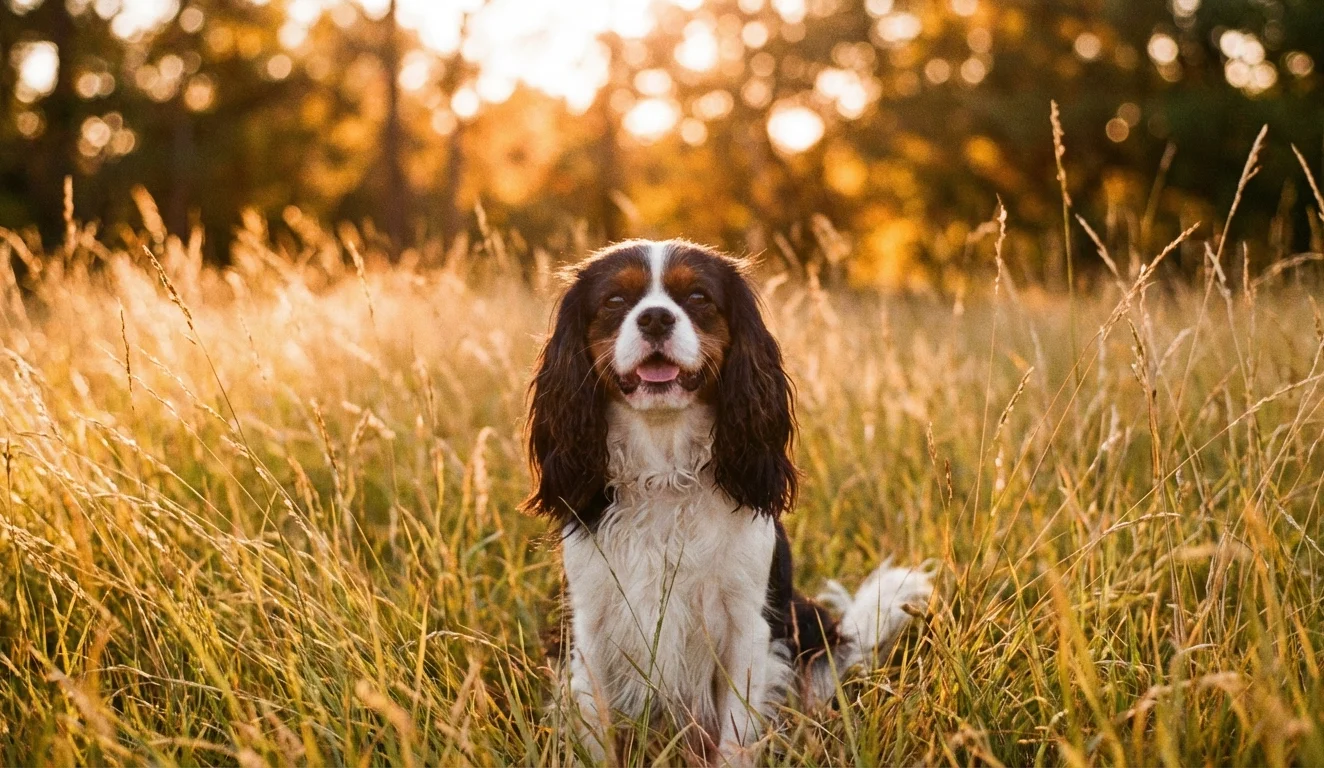
Here’s our honest take on the Havanese: this might be the best small companion dog most people have never considered. While everyone’s fighting over French Bulldogs and Cavalier King Charles Spaniels, the Havanese is sitting there with fewer breathing problems, a longer lifespan, and a temperament that’s hard to beat. We think they’re one of the smartest choices in the toy group right now.
Havanese at a Glance
| Trait | Details |
|---|---|
| Breed Group | Toy (AKC) |
| Height | 8.5-11.5 inches |
| Weight | 7-13 lbs |
| Life Expectancy | 14-16 years |
| Coat | Long, silky, wavy (single coat) |
| Colors | White, Black, Fawn, Chocolate, Cream, Gold, Red, Silver |
| Temperament | Intelligent, Playful, Affectionate |
| Shedding | Low |
| Energy Level | Moderate |
| Good With Kids | Yes |
| Apartment Friendly | Yes |
| Hypoallergenic | Yes |
History
The Havanese descended from the Bichon family of dogs, the same lineage that produced the Bichon Frise, Maltese, and Bolognese. Spanish settlers brought small Bichon-type dogs to Cuba as early as the 1500s. Over centuries, these dogs adapted to the Cuban climate, developing their signature lightweight, silky coat that insulates without trapping heat.
By the 18th and 19th centuries, the Havanese had become the pampered lap dog of Cuban aristocracy. They were status symbols in Havana’s wealthiest homes, and they occasionally made their way to European courts as gifts. Charles Dickens reportedly owned one. Queen Victoria had two.
The Cuban Revolution in 1959 nearly killed the breed. As wealthy Cubans fled to the United States, only a handful brought their Havanese with them. By the 1970s, the entire American Havanese population descended from approximately 11 dogs. Breeders Dorothy Goodale and others worked carefully to rebuild the breed from this tiny gene pool. The AKC recognized the Havanese in 1996, and they’ve been steadily gaining popularity since, currently sitting around #24 on the AKC’s most popular breeds list.
Size and Appearance
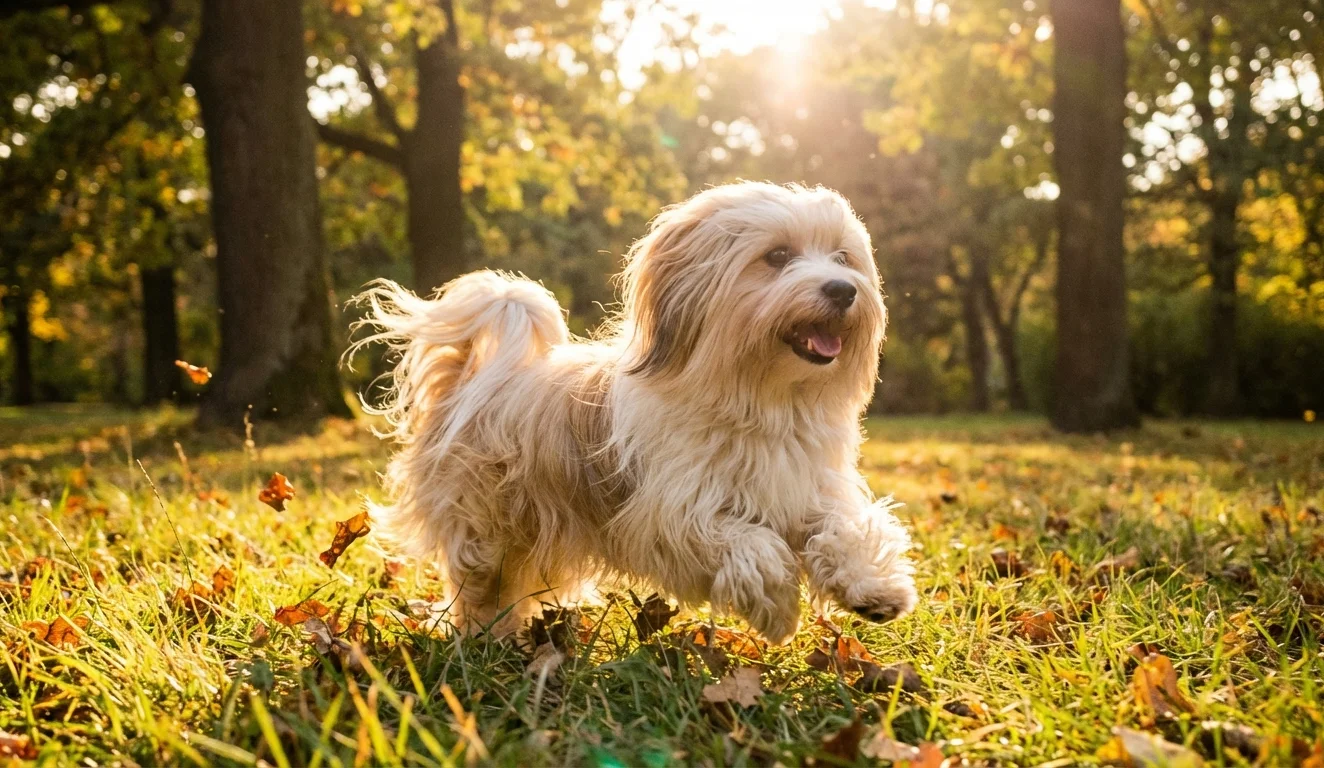
The Havanese is a small, sturdy dog, sturdier than they look, actually. They weigh 7-13 pounds and stand 8.5-11.5 inches at the shoulder. Despite the tiny frame, they’re not fragile in the way some toy breeds can be. They have solid bone structure and a springy, distinctive gait that makes them look like they’re bouncing when they walk.
Coat
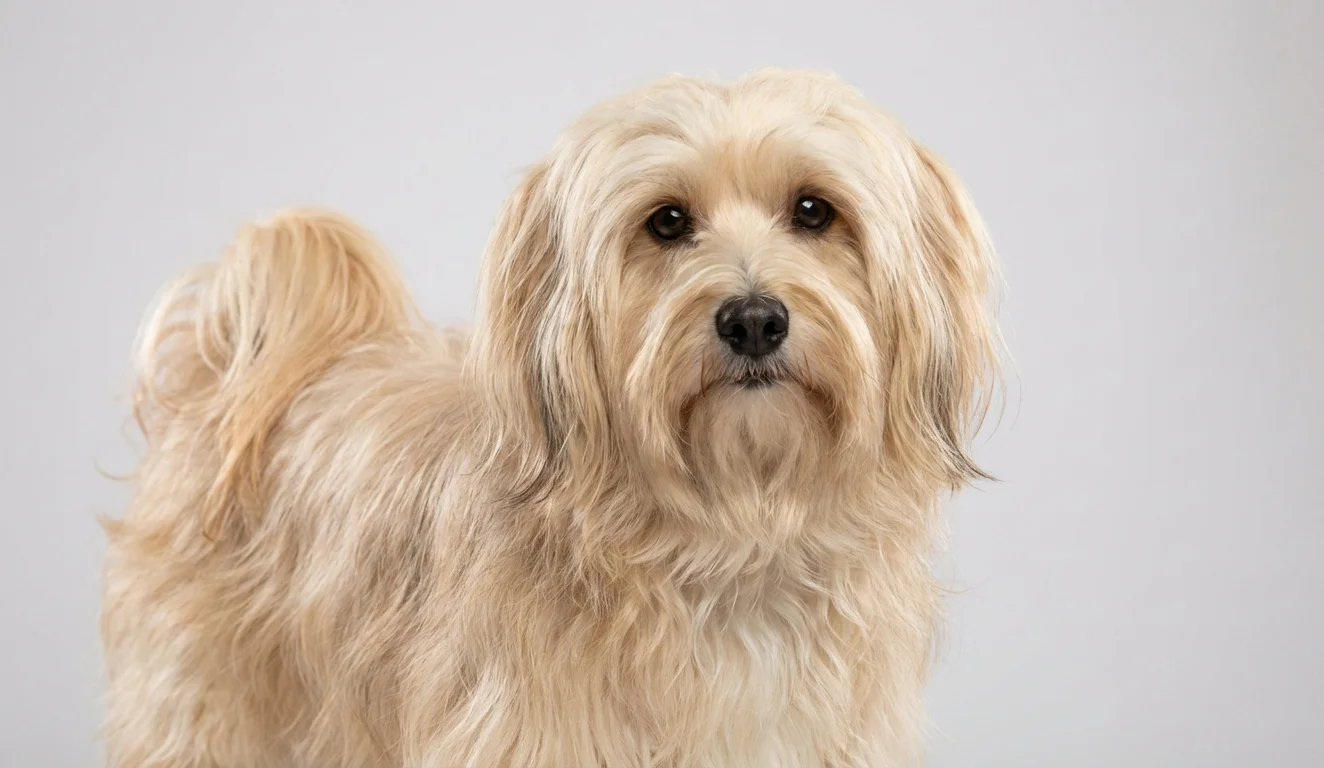
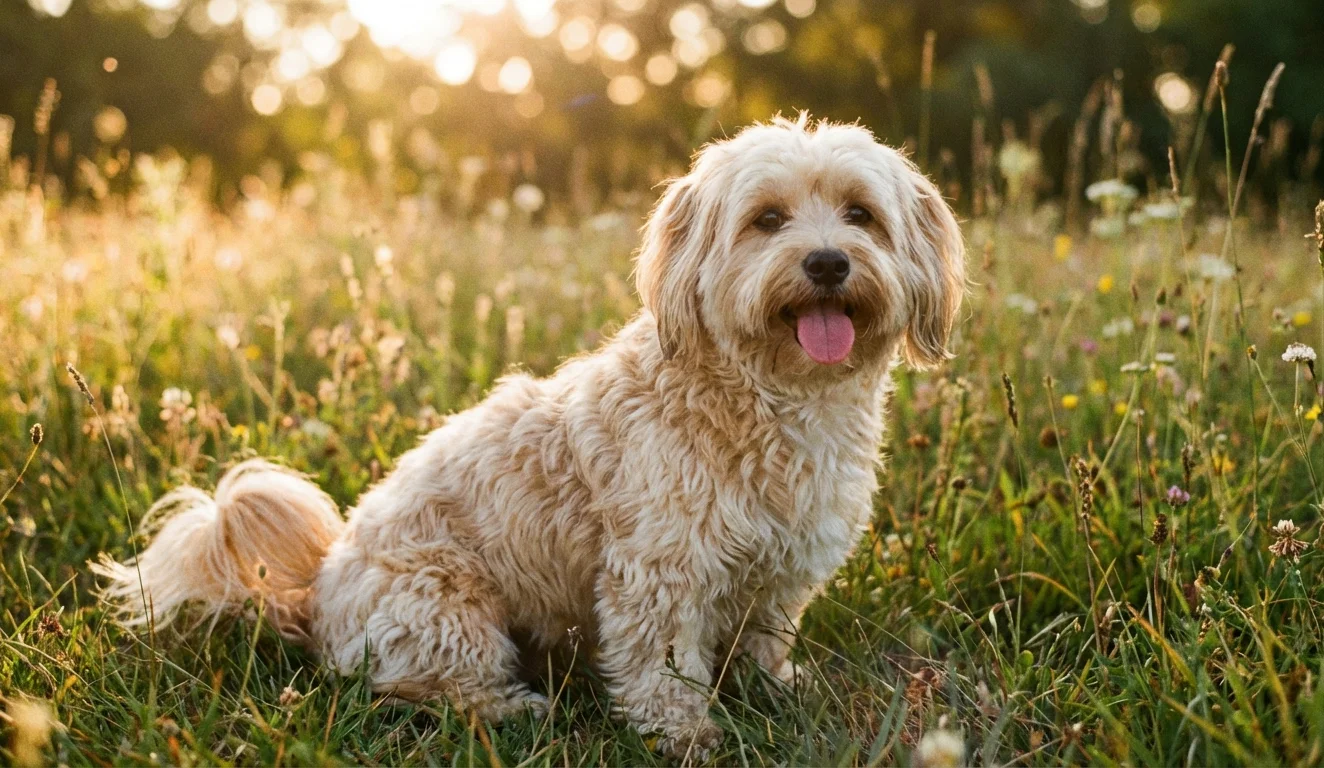
The coat is the breed’s defining feature and its biggest maintenance commitment. Havanese have a long, silky, wavy single coat that can grow to 6-8 inches if left unclipped. Unlike double-coated breeds, they don’t have a dense undercoat, which is why shedding is minimal and why the breed is considered hypoallergenic (though no dog is truly 100% hypoallergenic).
The coat comes in a huge range of colors, white, black, fawn, chocolate, cream, gold, red, and silver. Parti-colors and sable patterns are common too. Havanese coats can change color as the dog matures, which surprises a lot of first-time owners. That chocolate puppy might lighten to a sandy gold by age two.
Many owners opt for a “puppy cut”, trimming the coat to 1-2 inches all over, which dramatically reduces grooming time. We’d honestly recommend this for most pet owners unless you enjoy daily brushing sessions.
Havanese Temperament
If we had to describe the Havanese temperament in a single word, it would be “attached.” These dogs bond deeply with their people. Deeply. They’ll follow you from room to room, curl up on whatever part of your body is available, and stare at you with those dark eyes like you’re the most interesting thing in the universe. It’s endearing for about 23 hours of the day and mildly suffocating for the remaining one.
What living with a Havanese is really like:
- Velcro dog, no exaggeration. The Havanese breed standard literally mentions their desire to be near their owners at all times. This is a feature, not a bug, unless you value personal space in the bathroom.
- Surprisingly playful. Havanese are goofier than their elegant appearance suggests. They’ll do zoomies around the living room, play fetch with absurd enthusiasm, and invent games to entertain themselves.
- Good with basically everyone. Kids, other dogs, cats, strangers, the Havanese is a diplomat. They’re gentle enough for small children and social enough for multi-pet households.
- Moderate barking. They’ll alert you to visitors and unusual sounds, but they’re not the kind of small dog that barks at leaves. Training can manage the alert barking pretty easily.
The flip side of all that attachment is separation anxiety. Havanese are prone to it. If you work long hours away from home and the dog would be alone for 8+ hours daily, this is probably not your breed. They can develop destructive behaviors, excessive barking, and genuine distress when left alone too long.
Exercise Needs
Havanese need about 30 minutes of exercise per day. That’s it. A walk around the neighborhood and some playtime in the yard or living room will satisfy most Havanese.
This is not a breed that requires a fenced half-acre or marathon training runs. They’re adaptable to your pace. A Havanese will happily go on a longer hike with you, but they won’t lose their minds if it’s a rainy Tuesday and all you manage is a short walk and some tug-of-war indoors.
Activities Havanese enjoy:
- Short walks (they’ve got little legs, so moderate your pace)
- Indoor fetch and tug games
- Trick training, Havanese are surprisingly good at learning tricks and they seem to enjoy performing
- Agility at the toy-dog level
One thing to keep in mind: despite their low exercise needs, Havanese are not lazy dogs. They’re playful well into their senior years. The difference is that their play comes in bursts rather than requiring long sustained activity periods. A 10-year-old Havanese will still do zoomies. Just shorter ones.
Grooming
Here’s where the Havanese demands payment for being so easy in other areas. That beautiful coat requires real work.
If you keep the coat long:
- Brush daily. Not optional, a Havanese coat in full length mats incredibly fast. Skip two days and you’ll be cutting mats out.
- Bathe every 1-2 weeks
- Professional grooming every 6-8 weeks ($50-$80 per session)
- Regular eye cleaning, tear staining is common, especially in lighter-colored Havanese
If you go with a puppy cut:
- Brush 2-3 times per week
- Professional grooming every 6-8 weeks for trims
- Much less daily hassle overall
We’d recommend the puppy cut for most owners. The long show coat is gorgeous, but maintaining it is basically a part-time job. Unless you find grooming relaxing (some people do), the short cut keeps your Havanese comfortable and clean with a fraction of the effort.
Other grooming needs include nail trims every 2-3 weeks, ear checks weekly, and tooth brushing 2-3 times per week. The Havanese is also prone to tear staining, those reddish-brown streaks under the eyes, which requires regular cleaning with a damp cloth or tear stain remover.
Havanese Health Issues
The Havanese is a relatively healthy breed with that impressive 14-16 year lifespan. But some conditions show up more frequently than average.
Patellar Luxation
This is the most common orthopedic issue in Havanese. The kneecap slides out of its normal position, causing intermittent lameness. You might notice your Havanese suddenly hold up a back leg for a few steps before walking normally again. Mild cases (Grade 1-2) can often be managed with weight control and anti-inflammatory medications. More severe cases require surgery at $1,500-$3,000 per knee. The OFA recommends patella evaluations for all Havanese used in breeding programs.
Hip Dysplasia
Surprising for a toy breed, but Havanese do see moderate rates of hip dysplasia. The OFA reports that Havanese actually have a higher hip dysplasia rate than you’d expect for their size. Treatment ranges from weight management and pain medication to total hip replacement at $1,500-$6,000 per hip in severe cases.
Legg-Calve-Perthes Disease
This condition involves the deterioration of the femoral head (the ball part of the hip joint) due to reduced blood supply. It typically shows up in puppies between 4-12 months of age. The affected leg will become painful and the dog will start limping. Surgery to remove the damaged femoral head costs $1,000-$3,000 and has a good prognosis for small breeds.
Cataracts
Havanese see moderate rates of cataracts, including hereditary juvenile cataracts. Regular eye exams can catch early changes. Surgery runs $2,000-$4,000 per eye. The CHIC protocol for Havanese includes annual eye examinations by a board-certified veterinary ophthalmologist.
Chondrodysplasia
A rare but breed-relevant condition affecting bone and cartilage development. It can cause shortened limbs and skeletal abnormalities. DNA testing is available and reputable breeders should screen for it. Treatment varies based on severity, running $500-$3,000.
Training
Havanese are highly trainable. They’re intelligent, food-motivated, and they genuinely want to make you happy, a combination that makes training sessions productive and actually fun.
Training strengths:
- Quick learners for basic obedience commands
- Excel at trick training (the breed was historically used as circus performers in Cuba)
- Responsive to positive reinforcement
- Social enough that group training classes work well
Where Havanese can be tricky:
- Housetraining. Small breeds have small bladders, and Havanese are known for being slower to housetrain. Consistent crate training and frequent outdoor trips are your best tools here. Some owners use indoor potty pads as a supplement, especially during bad weather.
- That separation anxiety we keep mentioning. Start independence training early, practice leaving the room, then the house, for gradually increasing periods. Don’t make departures and arrivals a big emotional event.
- Some Havanese develop a habit of demand barking, barking to get attention, food, or playtime. Ignore it consistently and reward quiet behavior instead. If you give in, you’ve taught them that barking works.
Cost
Purchase Price
Havanese puppies from reputable breeders cost $1,000-$2,500. Puppies from champion lines or particularly sought-after color combinations can push above $3,000. The relatively small litter size (average of 4 puppies) and the breed’s growing popularity keep prices on the higher end for toy breeds.
Rescue is an option but harder to find than with more common breeds. Havanese-specific rescues exist, Havanese Rescue Inc. is one of the larger organizations, but expect a waitlist.
Monthly Costs
| Expense | Monthly Estimate |
|---|---|
| Food (high-quality small breed) | $20-$35 |
| Preventive vet care (averaged) | $15-$25 |
| Pet insurance | $25-$50 |
| Professional grooming (averaged) | $15-$25 |
| Treats and chews | $8-$15 |
| Miscellaneous (toys, supplies) | $8-$15 |
| Total | $70-$150 |
First-Year Costs
Budget $3,000-$5,000 for the first year, including purchase price. Grooming costs add up more than you’d expect, if you’re getting professional grooming every 6-8 weeks, that’s $400-$640 per year just for coat maintenance. Invest in a quality slicker brush and learn to do basic maintenance at home to reduce that number.
Is a Havanese Right for You?
A Havanese is a great fit if you:
- Spend a lot of time at home (remote work, retired, stay-at-home parent)
- Live in an apartment or condo and need a quiet, small breed
- Have allergies, the Havanese is one of the better options for allergy sufferers
- Want a dog that’s genuinely good with kids and other pets
- Are looking for a long-lived companion (14-16 years is exceptional)
- Enjoy grooming or are willing to keep the coat trimmed short
A Havanese might NOT be right if you:
- Are away from home most of the day with no one else around
- Don’t want to deal with regular grooming maintenance
- Want a running or serious hiking partner
- Prefer an independent dog that doesn’t need constant companionship
- Are on a tight budget, between purchase price and grooming, Havanese aren’t cheap
The Havanese is the kind of dog that ruins you for other breeds. They’re so easy to live with in so many ways, the size, the temperament, the low exercise needs, the long lifespan, that once you’ve had one, everything else feels like a compromise. The grooming is real work, and the separation anxiety thing needs honest evaluation. But if you’re home a lot and you want a dog that treats you like the center of the universe? We think the Havanese is hard to beat.
Related Breeds
If you’re considering this breed, you might also want to look at:
Frequently Asked Questions
Are Havanese really hypoallergenic?
No dog is truly hypoallergenic, but the Havanese comes close. Their single coat sheds very little, and they produce less dander than most breeds. The American Kennel Club lists them as a hypoallergenic breed. Even so, some people with severe allergies still react to Havanese. If allergies are your primary concern, spend time with a Havanese before committing, visit a breeder, hang out with the dogs for an hour, and see how your body responds.
How long can a Havanese be left alone?
Most adult Havanese can handle 4-6 hours alone, especially if they’ve been trained for it. Beyond that, you’re pushing into territory where separation anxiety and boredom behaviors start showing up, barking, destructive chewing, house-soiling. If you work full-time away from home, a dog walker or doggy daycare midday can bridge the gap. Puppies need even more frequent human contact, no more than 2-3 hours alone until they’re at least 6 months old.
Do Havanese bark a lot?
They bark moderately. Havanese will alert you to someone at the door or something unusual happening outside, but they’re not yappy in the way that some toy breeds can be. The bark is proportional, not shrill, not constant. Some individual Havanese develop demand barking habits (barking for attention), but this is a training issue, not a breed trait. Consistent training that rewards quiet behavior can keep barking at a reasonable level.
Are Havanese hard to potty train?
Havanese have a reputation for being slower to housetrain, and we think it’s partly deserved. Small bladder, small breed stubbornness, and a dislike for cold or wet weather all work against you. Many Havanese owners report housetraining taking 4-6 months. The most effective approach combines crate training with a rigid schedule, outside immediately after waking, eating, playing, and napping. Some owners keep indoor potty pads as a backup, especially during winter months in cold climates.
How much grooming does a Havanese really need?
It depends entirely on how long you keep the coat. A full-length show coat requires daily brushing, we’re talking 15-20 minutes per day minimum, plus professional grooming every 6-8 weeks. Most pet owners go with a puppy cut (coat trimmed to 1-2 inches), which reduces brushing to 2-3 times per week and makes life dramatically easier. Either way, you’ll still need regular nail trims, ear cleaning, and dental care. We tell most people to budget for professional grooming unless they genuinely enjoy doing it themselves.