Japanese Chin Breed Guide: The Cat in a Dog Suit (2026)
Japanese Chins climb furniture like cats, groom themselves like cats, and stare at you with the quiet judgment of cats. They just happen to be dogs.
The Japanese Chin stands 8-11 inches at the shoulder and weighs 7-11 pounds. They live 10-12 years. If you’ve ever wished you could own a cat but with slightly more loyalty and a willingness to walk on a leash, the Japanese Chin is the closest the canine world gets to granting that wish. These tiny, silky-coated dogs are famous for being the most cat-like of all dog breeds, they perch on the backs of couches, bat at toys with their paws, wash their faces with their feet, and view the world from elevated surfaces with an expression of serene detachment. They’re aristocratic, delicate, and quietly hilarious.
In Short: 7–11 lbs, 10–12 years. Low energy. Moderate shedding. Watch for Heart Murmurs and Patellar Luxation. Best for adults, seniors, or families with gentle older children who want a refined, low-maintenance companion with feline sensibilities.
The Japanese Chin is one of the least-known toy breeds in the US, which is a shame, because it’s one of the best. They’re quieter than most toy breeds, less yappy than Chihuahuas, less demanding than Yorkies, and less stubborn than Pekingese. What they are is elegant, affectionate (with their people), and possessed of a calm composure that makes most other toy dogs look hyperactive by comparison. If the toy group had an introvert section, the Japanese Chin would be its president, quietly, without campaigning.
Japanese Chin at a Glance
| Trait | Details |
|---|---|
| Breed Group | Toy (AKC) |
| Height | 8-11 in |
| Weight | 7-11 lbs |
| Life Expectancy | 10-12 years |
| Coat | Long, silky, straight single coat |
| Colors | Black and white, red and white, sable and white |
| Temperament | Alert, Loyal, Cat-like |
| Shedding | Moderate |
| Energy Level | Low |
| Good With Kids | Best with older, gentle children |
| AKC Recognition | 1888 |
History
Despite the name, the Japanese Chin almost certainly originated in China (or possibly Korea) and arrived in Japan as a gift between royal courts. The exact timeline is debated, but most historians place the breed’s arrival in Japan somewhere between the 6th and 10th centuries. In Japan, the Chin (the word means “royalty” in Japanese) became the exclusive companion of the Japanese nobility, pampered and prized in much the same way the Pekingese was treated in the Chinese imperial court.
The breed lived in extreme seclusion for centuries. Different noble families bred their own lines, creating variety in size and type. The smallest Chins were particularly prized and were reportedly kept in hanging birdcages as ornamental pets, which sounds absurd until you see a Chin perch on the arm of a chair and realize they’re more bird than dog sometimes.
Japanese Chins arrived in the West when Commodore Matthew Perry opened Japan to international trade in 1853. Perry reportedly brought several Chins back to the US, including a pair he gave to Queen Victoria. The AKC recognized the breed in 1888 (originally as the “Japanese Spaniel”, the name was changed to “Japanese Chin” in 1977). The breed has never been wildly popular in America, it consistently ranks around 100th in AKC registrations, but its small, dedicated community of owners and breeders wouldn’t have it any other way.
Size and Appearance
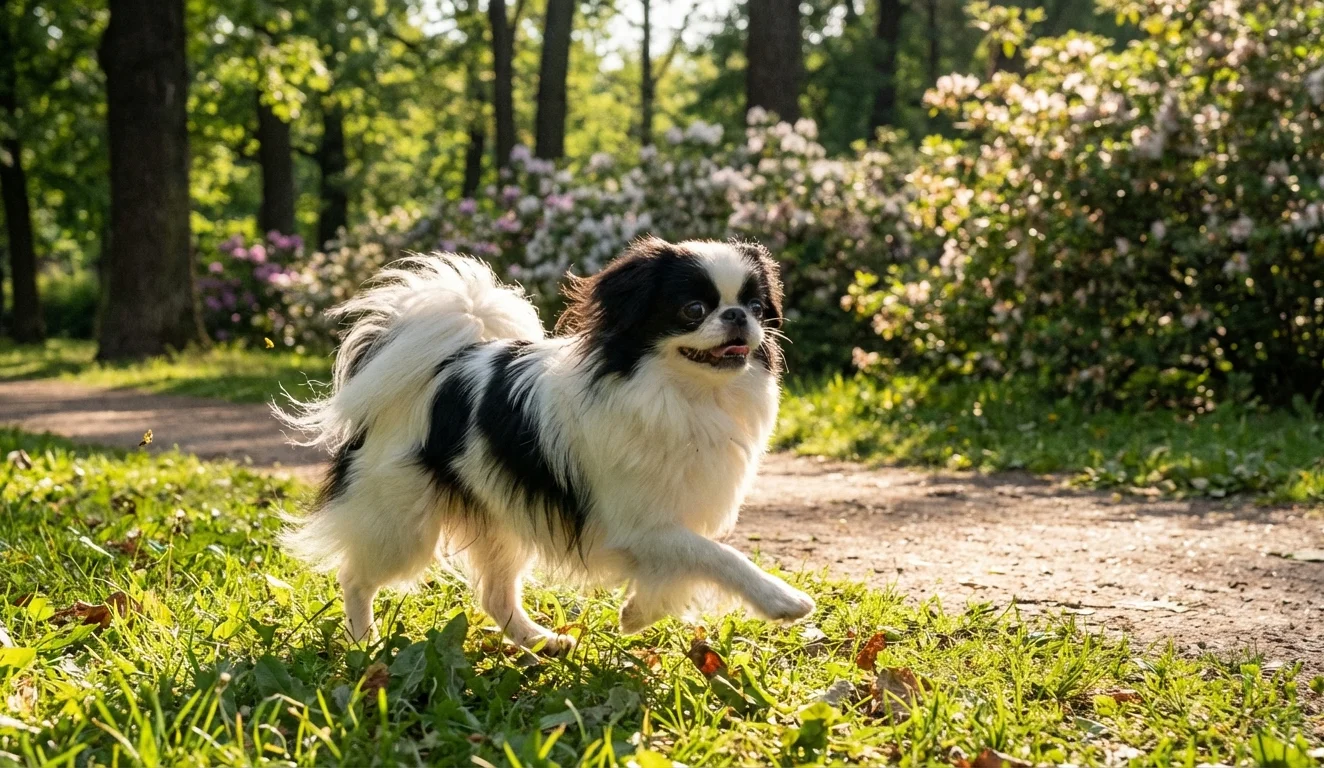
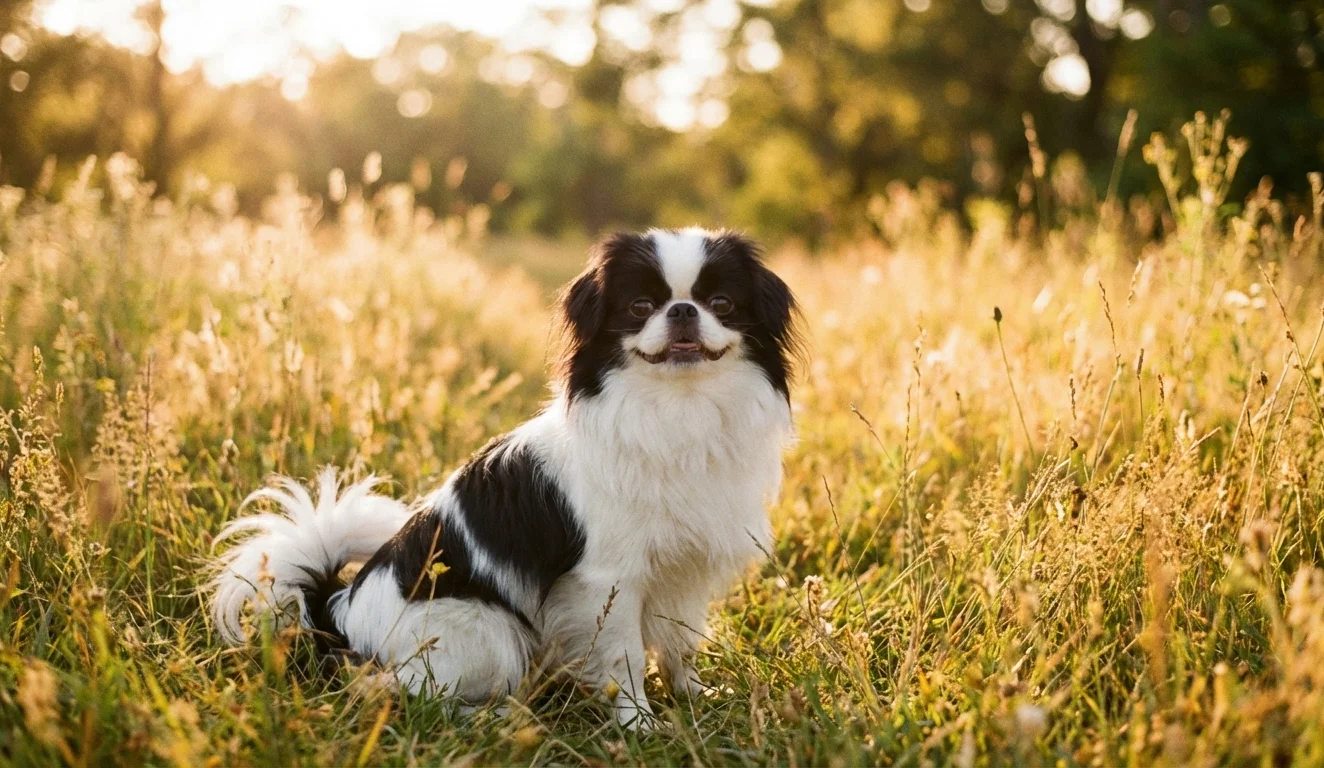
Japanese Chins are small, square-proportioned dogs with a distinctly aristocratic bearing. They carry themselves with a high-stepping, prancing gait that looks almost choreographed. The body is compact, fine-boned, and covered in a profuse silky coat that gives them a much larger appearance than their 7-11 pounds would suggest.
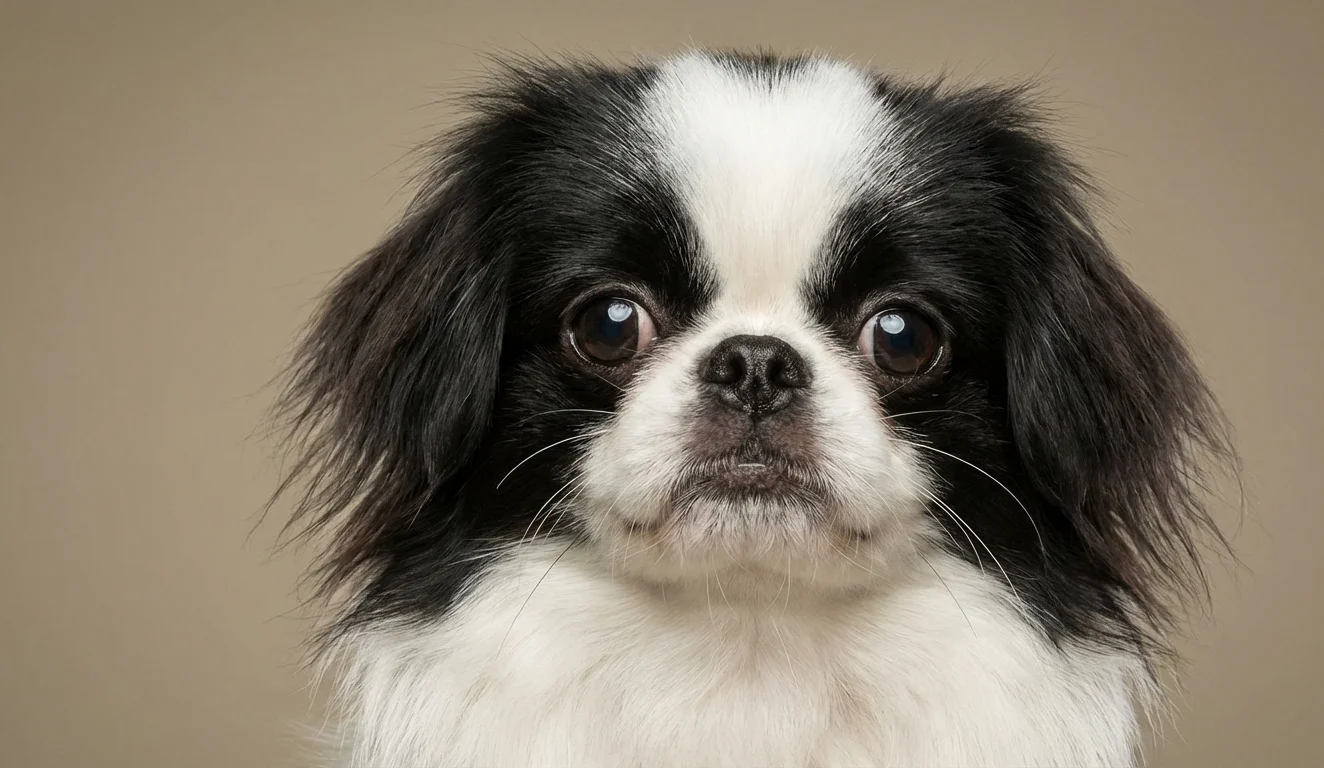
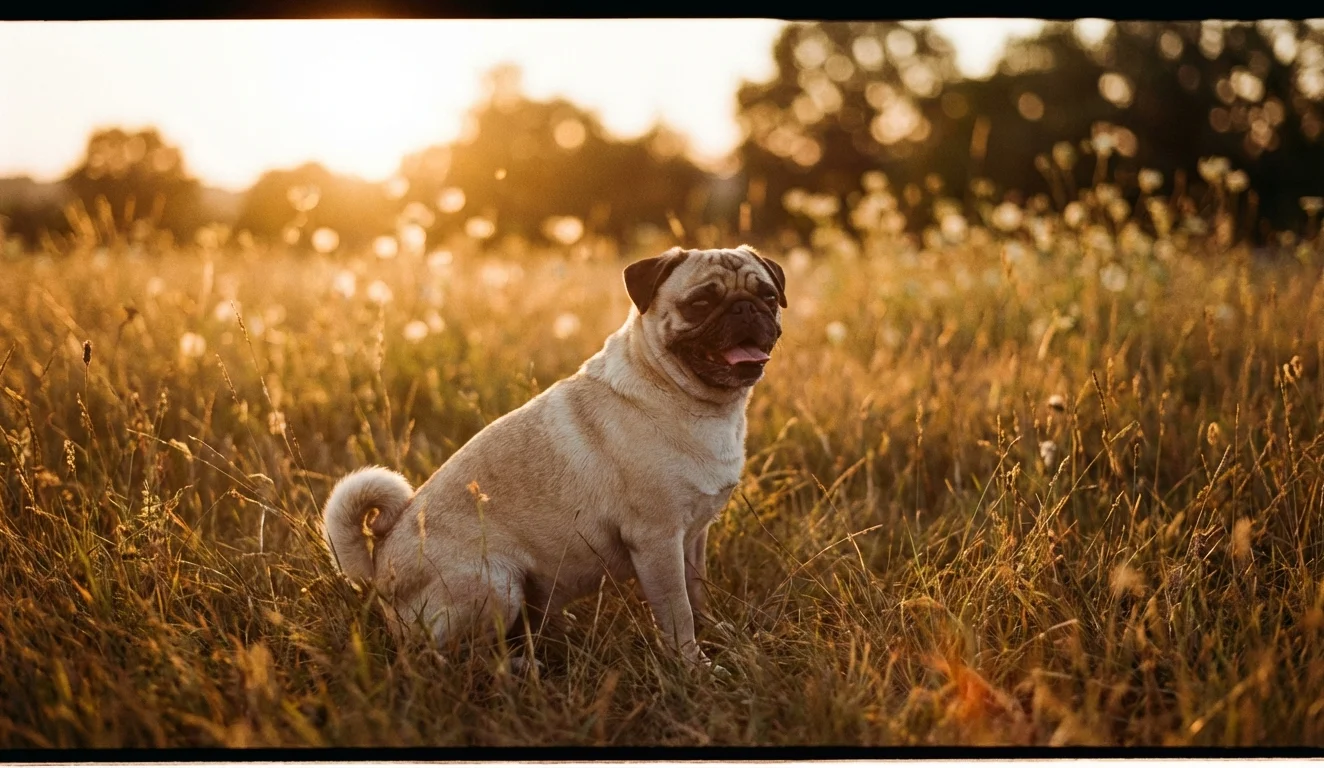
The head is large and round, with wide-set, dark, prominent eyes that give the face an expression of perpetual mild surprise. The face is flat but not as severely brachycephalic as a Pekingese or Pug, the Chin’s muzzle is very short but slightly less compressed, which generally means fewer breathing problems (though they’re not immune). The small V-shaped ears are set wide apart and hang forward, draped in long feathering.
The coat is the breed’s crowning feature: single-layered, straight, and silky, with profuse feathering on the ears, chest, tail, and legs. The tail is carried over the back in a graceful plume. Coat colors are always bicolor, black and white, red and white (the red ranges from lemon to deep mahogany), or sable and white. Some Chins have a distinctive spot on the forehead called the “Buddha’s thumbprint,” which is considered a mark of favor in Japanese tradition.
Japanese Chin Temperament
The Japanese Chin’s temperament is where the cat comparison really earns its keep. These are quiet, observant, self-possessed little dogs that choose when to engage and when to retreat to a high perch and watch the proceedings.
What living with a Japanese Chin is actually like:
- They climb. Japanese Chins use their paws to climb, bat, and manipulate objects in a way that’s distinctly feline. They’ll scale the back of your couch, perch on a windowsill, and find the highest point in the room to survey their domain. Some owners report their Chins climbing bookshelves. It’s both impressive and slightly unnerving.
- They self-groom. Chins lick their paws and wipe their faces exactly like cats. They’re fastidiously clean dogs that dislike being dirty or wet. This self-grooming habit means they stay relatively clean between baths.
- They’re quiet. This is a major selling point. Japanese Chins are among the quietest toy breeds. They’ll alert to unusual situations, but they don’t engage in the recreational barking that makes many toy breeds difficult to live with. They prefer to observe quietly and judge silently.
- They bond deeply but aren’t clingy. Chins are affectionate with their chosen people, they’ll follow you from room to room, curl up next to you, and seek contact when they’re in the mood. But they’re also happy to be alone for reasonable periods, occupying themselves with self-grooming, toy play, or elevated-surface observation. They’ve got the emotional independence of a well-adjusted cat.
- They’re sensitive to mood. Japanese Chin owners consistently report that their dogs mirror the emotional energy of the household. If the house is calm, the Chin is calm. If there’s tension or arguing, the Chin becomes visibly stressed and may retreat. They’re emotional barometers in a way that most dogs aren’t.
Exercise Needs
Japanese Chins need about 20-30 minutes of exercise per day. A short walk and some indoor play is usually plenty. They enjoy brief bursts of playful activity, a game with a toy, a few minutes of “zoomies” around the living room, followed by extended rest periods on their favorite perch.
These are indoor dogs. They’re not trail dogs, not beach dogs, not “let’s go for a long hike” dogs. Their small size, flat face, and delicate bone structure mean they’re best suited to controlled environments. They’re not sedentary, though, a Chin that doesn’t get some daily activity and mental stimulation will become bored and may develop attention-seeking behaviors.
Heat sensitivity is a concern. While less severely brachycephalic than Pekingese or Pugs, Japanese Chins still have shortened airways that make them less efficient at cooling through panting. Keep exercise light in warm weather, ensure constant access to fresh water, and avoid midday outdoor activity in summer.
One quirk: many Chins spin. They’ll rotate in tight circles when excited, before meals, when you pick up the leash, when you come home. It’s a breed-specific behavior that’s harmless and oddly graceful. Some owners call it the “Chin spin.”
Grooming
Despite the luxurious appearance, the Japanese Chin coat is surprisingly manageable. The single-layer silky coat doesn’t mat as badly as double-coated breeds, and the texture repels dirt.
- Brushing 2-3 times per week with a pin brush, focus on the ear feathering, chest ruff, and tail plume, which are the most prone to tangles. Weekly is the minimum. 2-3 times keeps the coat in good shape
- Bath every 4-6 weeks: use a gentle shampoo to maintain coat texture. The silky coat air-dries relatively quickly
- Professional grooming every 8-10 weeks for trimming paw pads, sanitary areas, and coat shaping. Budget $40-$70 per session
- Nail trims every 2-3 weeks
- Dental care 4-5 times per week: small breeds with crowded mouths need frequent dental attention
- Eye cleaning daily: the prominent eyes produce some tearing. Wipe under the eyes with a damp cloth to prevent staining
- Ear cleaning weekly: check for debris under the long ear feathering
Shedding is moderate. The single coat sheds some throughout the year, with slightly heavier periods in spring and fall. It’s nothing compared to a double-coated breed, but you’ll notice some hair on furniture and clothing.
Japanese Chin Health Issues
Japanese Chins are moderately healthy for a toy breed, with a lifespan of 10-12 years. The breed’s relatively small gene pool (stemming from its centuries of exclusivity) does predispose it to certain conditions.
Heart Murmurs and Mitral Valve Disease
Heart murmurs are one of the most frequently identified health concerns in Japanese Chins. Many develop mitral valve disease (MVD) as they age, where the mitral valve degenerates and doesn’t close properly, allowing blood to flow backward in the heart. Early-stage MVD may produce only a soft murmur detectable on examination. As it progresses, it can lead to congestive heart failure. The Japanese Chin Club of America recommends cardiac screening for all breeding stock. Treatment for symptomatic MVD includes medications (pimobendan, ACE inhibitors, diuretics) costing $50-$200/month. Regular cardiac auscultation and echocardiography ($300-$600 per exam) help track progression.
Patellar Luxation
OFA data shows Japanese Chins among toy breeds with elevated patellar luxation rates. Approximately 6-7% of evaluated Chins have some degree of luxation. Grade 1-2 cases often need only weight management and joint supplements. Grade 3-4 cases require surgical correction ($1,500-$3,000 per knee). The Japanese Chin Club of America recommends patella evaluation for breeding dogs.
GM2 Gangliosidosis
This is a rare but breed-specific fatal neurological disease caused by a recessive gene. Affected puppies appear normal at birth but develop progressive neurological deterioration starting around 10-18 months. There’s no treatment. Genetic testing is available and all breeding Chins should be tested, carriers can be bred responsibly (to non-carriers), but carrier-to-carrier breedings should never happen. Ask your breeder about GM2 testing status.
Eye Issues
The large, prominent eyes are susceptible to corneal scratches, ulcers, and cherry eye (prolapse of the third eyelid gland). Corneal injuries are the most common and usually heal with antibiotic eye drops ($50-$200). Cherry eye requires surgical correction ($500-$1,500 per eye). The slightly less flat face compared to Pekingese means proptosis is less common, but the protruding eyes are still more vulnerable than those of longer-muzzled breeds.
Training
Japanese Chins are intelligent and learn quickly, but they’ve got that feline selective compliance. They’ll perform when they feel like it, and they feel like it less often than a Labrador but more often than a Pekingese. It’s a middle ground that most Chin owners find charming rather than frustrating.
Positive reinforcement is mandatory. Chins are sensitive dogs that wilt under harsh corrections. They respond to gentle praise, small treats, and calm energy. Raised voices and physical corrections will produce a dog that avoids you and hides on top of the bookshelf.
Keep training sessions short, 5 minutes is about right. Chins have good attention spans for a toy breed but lose interest in repetitive exercises quickly. Vary the routine and keep it fun. Many Chins excel at trick training when it’s presented as a game rather than a drill.
Housetraining is moderate difficulty. Chins are clean dogs that prefer not to soil their living space, which helps. Their small bladders and sensitivity to cold weather (they’d rather not go out in the rain, thank you) can create challenges. Consistent scheduling, crate training, and patience produce results within a few weeks for most puppies. Indoor potty options work well for this breed, especially in apartments or homes where outdoor access requires navigating stairs or long hallways.
Socialization should be gentle and positive. Chins are naturally reserved with strangers, not aggressive, just cautious. Exposing puppies to various people, environments, and experiences in a non-threatening way helps develop a confident adult. Avoid flooding the puppy with overwhelming stimuli, introduce new things gradually and at the dog’s pace.
Cost
Purchase Price
A Japanese Chin puppy from a reputable breeder costs $1,500-$3,000. The breed’s relative rarity means fewer breeders and potentially longer wait lists. Show-quality puppies from champion lines can exceed $3,500. Given the GM2 gangliosidosis risk, buying from a breeder who genetically tests for this condition is absolutely non-negotiable.
Rescue Chins are occasionally available through the Japanese Chin Club of America’s rescue network for $200-$500, but they’re not common.
Monthly Costs
| Expense | Monthly Estimate |
|---|---|
| Food (toy breed, high-quality) | $20-$35 |
| Preventive vet care (averaged) | $15-$35 |
| Pet insurance | $25-$45 |
| Professional grooming (averaged) | $15-$30 |
| Treats and chews | $10-$15 |
| Miscellaneous | $10-$15 |
| Total | $95-$175 |
First-Year Costs
Beyond the purchase price, first-year costs run $1,500-$2,800. This includes vaccinations, spay/neuter, a small crate, grooming tools (pin brush, comb, gentle shampoo), initial vet exams, microchipping, and a cardiac evaluation. Japanese Chins are a relatively inexpensive breed to maintain compared to many toy breeds, their coat is manageable, their food consumption is modest, and their health issues, while real, tend to be less expensive than those of more severely brachycephalic breeds.
Is a Japanese Chin Right for You?
A Japanese Chin could be a great fit if you:
- Want a quiet, elegant, low-energy companion
- Appreciate a cat-like temperament in a dog
- Live in an apartment or small space
- Want a toy breed that isn’t yappy or hyperactive
- Are home frequently but don’t need a dog that’s constantly in your lap
- Have older children who handle small dogs gently
- Want a beautiful dog that’s relatively easy to groom
A Japanese Chin is probably not right if you:
- Have young children or a boisterous household (Chins are sensitive to chaos)
- Want an outgoing, stranger-loving, party dog
- Need a dog that’s eager to please and obeys on the first command
- Want an active outdoor companion
- Are looking for a watchdog with a big bark
- Can’t handle the emotional sensitivity, Chins absorb household stress
- Want a common breed that’s easy to find from local breeders
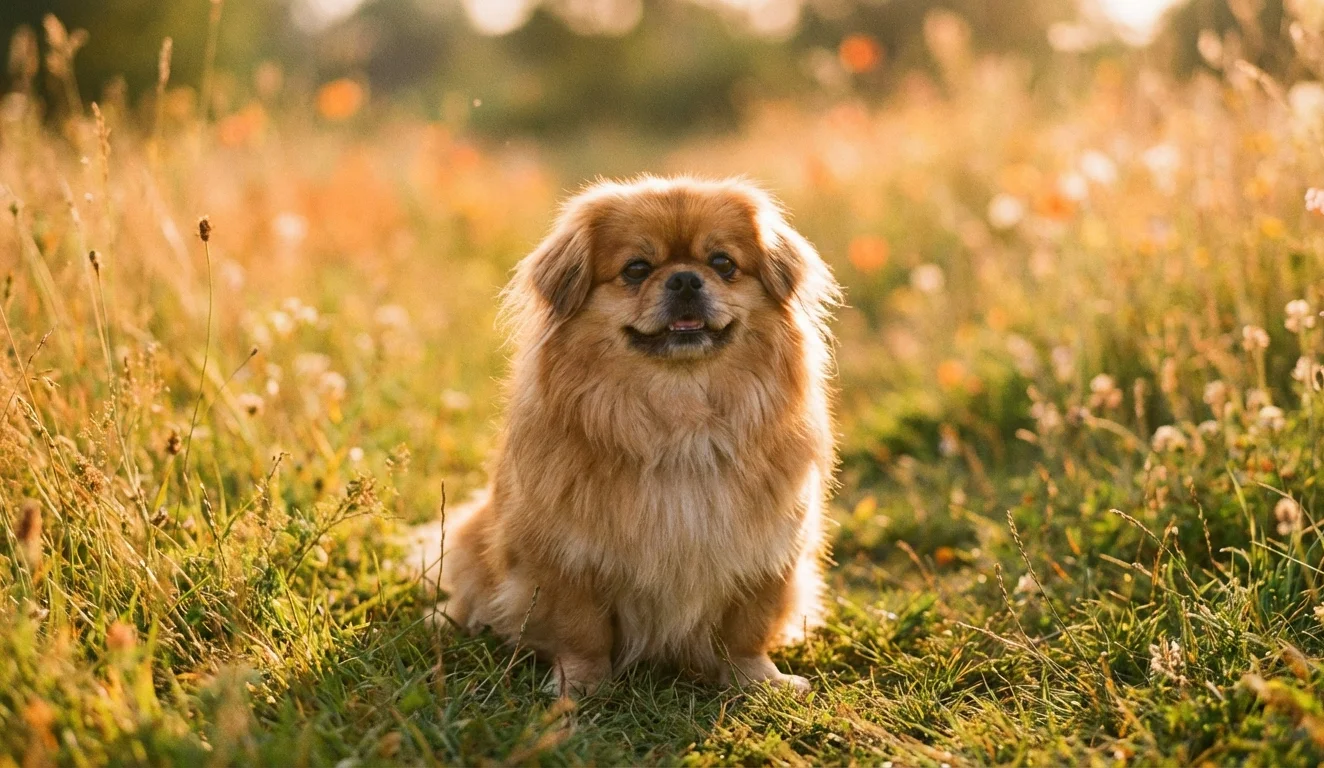
The Japanese Chin is the connoisseur’s toy breed. It’s for people who appreciate subtlety over spectacle, quiet companionship over boisterous affection, and the particular pleasure of living with an animal that watches the world from the top of the bookshelf with the serene confidence of something that knows exactly what’s going on. They’re small, they’re beautiful, and they’ve got the best feline impression in the entire canine kingdom.
Related Breeds
If you’re considering this breed, you might also want to look at:
Frequently Asked Questions
Are Japanese Chins actually from Japan?
The breed almost certainly originated in China (or possibly Korea) and was brought to Japan as a royal gift, likely between the 6th and 10th centuries. The “Japanese” name reflects the country where the breed was refined and most closely associated. It’s similar to how French fries aren’t technically French. The breed was developed into its current form in Japan, where it was treasured by the imperial court for centuries.
Why do Japanese Chins act like cats?
No one knows for certain, but theories include their centuries of breeding as indoor companion animals (which selected for the calm, observant temperament we associate with cats), their possible co-housing with cats in Japanese palaces, and simply the breed’s natural disposition. The climbing, self-grooming, perching, and selective affection are consistent breed traits, not individual quirks, nearly all Chin owners report these behaviors.
How long do Japanese Chins live?
The average lifespan is 10-12 years, though some live to 14-15 with good care. Heart disease is the most common life-limiting condition. Regular cardiac screening, a healthy weight, appropriate dental care, and a quality diet give your Chin the best shot at a long life. Their relatively moderate brachycephalic structure (compared to Pugs and Pekingese) means fewer respiratory-related life span reductions.
Do Japanese Chins bark a lot?
No, and this is one of the breed’s best features. Japanese Chins are among the quietest toy breeds. They’ll alert to genuine unusual events, a knock at the door, an unfamiliar sound, but they don’t engage in the persistent barking that characterizes many other toy breeds. If a quiet household is a priority, the Chin is an excellent choice.
Can Japanese Chins be left alone?
Reasonably well for a toy breed. Their cat-like independence means they handle alone time better than more clingy toy breeds. Most adult Chins manage 4-6 hours alone without significant distress. They’ll find a comfortable perch, groom themselves, nap, and wait for you to return. Longer absences (8+ hours) should include a midday check-in from a pet sitter or dog walker.