Cavapoo Breed Guide: The Velcro Dog That Actually Lives Up to the Hype (2026)
The Cavapoo crosses a Cavalier King Charles Spaniel with a Poodle, and the result is an absurdly affectionate 9-25 lb companion dog. Here's the real breakdown.
The Cavapoo, sometimes called a Cavoodle, especially in Australia where the cross is wildly popular, is a mix of a Cavalier King Charles Spaniel and a Poodle (usually Miniature or Toy). They weigh between 9 and 25 pounds depending on the Poodle parent’s size, stand 9-14 inches tall, and live 12-15 years. Both parent breeds are known for being gentle and people-oriented, which makes the Cavapoo one of the most genuinely easy-going designer dogs you’ll encounter.
In Short: 9–25 lbs, 12–15 years. Moderate energy. Low-shedding (often called hypoallergenic, though no dog truly is). Watch for Ear Infections. Great for families and first-time owners, apartment-friendly.
We’ll be upfront about something: we think the Cavapoo gets a pass in a lot of breed write-ups because it’s cute and friendly. And it is both of those things. But the Cavalier King Charles Spaniel side of this cross brings some serious health concerns that you absolutely need to understand before buying one. Mitral valve disease alone affects a staggering percentage of Cavaliers. That genetic baggage doesn’t disappear when you add Poodle to the mix. We’ll get into the specifics below, and if you’re already looking at Cavapoo breeders, the health section is the most important part of this page. (If you’re also considering other Poodle crosses, we have profiles for Goldendoodles, Labradoodles, Cockapoos, and several more on the site.)
Cavapoo at a Glance
| Trait | Details |
|---|---|
| Size | 9-25 lbs (varies by Poodle parent size) |
| Height | 9-14 inches |
| Lifespan | 12-15 years |
| Energy Level | Moderate, active but not hyperactive |
| Shedding | Low (varies by coat type) |
| Good with Kids | Yes, one of the best small breeds for families |
| Good with Other Pets | Yes, generally excellent |
| Trainability | High, eager to please with Poodle smarts |
| Price Range | $1,500-$4,000 from a reputable breeder |
History
The Cavapoo doesn’t have the deep historical roots of its parent breeds, but the cross itself has been around since the late 1990s. Australia is usually credited as the starting point, breeders there were looking to produce a small, low-shedding companion dog with a calmer temperament than the already-popular Cockapoo and Labradoodle. The Cavalier King Charles Spaniel, known for being affectionate to the point of codependency, seemed like the ideal match for the Poodle’s intelligence and low-shedding coat.
The Cavalier King Charles Spaniel has a centuries-long history as a lap dog for British royalty. King Charles II was so devoted to the breed that his court reportedly complained the spaniels got more attention than matters of state. The modern Cavalier was revived in the 1920s when breeders worked to recreate the longer-nosed, flatter-skulled spaniels seen in old paintings, a subtle but important distinction from the more brachycephalic King Charles Spaniel.
The Poodle side brings working dog intelligence (ranked #2 in canine intelligence by Dr. Stanley Coren) and that low-shedding coat that drives so much of the doodle market. Combining these two breeds produces a dog that’s gentler and less energetic than many Poodle crosses while retaining the Poodle’s trainability.
Like all designer crossbreeds, the Cavapoo is not recognized by the AKC. There’s no breed standard, which means traits, particularly coat type and size, can vary considerably between individual dogs, even within the same litter. That variability is worth keeping in mind if you have specific expectations.
Cavapoo Generations
- F1: One Cavalier parent, one Poodle parent. Most genetic diversity, but coat type is less predictable.
- F1B: F1 Cavapoo bred back to a Poodle. Curlier coat, more consistently low-shedding. This is the most common generation sold by breeders.
- F2: Two F1 Cavapoo parents. The most unpredictable generation for coat and temperament.
Size and Appearance
Cavapoo size depends primarily on whether a Miniature or Toy Poodle was used in the cross.
Standard Cavapoo: 15-25 pounds, 12-14 inches tall. Produced with a Miniature Poodle parent. This is the more common size and tends to be a bit sturdier and more solidly built.
Mini Cavapoo: 9-14 pounds, 9-12 inches tall. Produced with a Toy Poodle parent. Smaller, more portable, but can be slightly higher-strung.
Coat Types
The Cavapoo coat is one of its biggest selling points, and one of its most variable features.
- Curly coat: Most Poodle-like. Low shedding, but requires daily brushing and regular professional grooming to prevent matting.
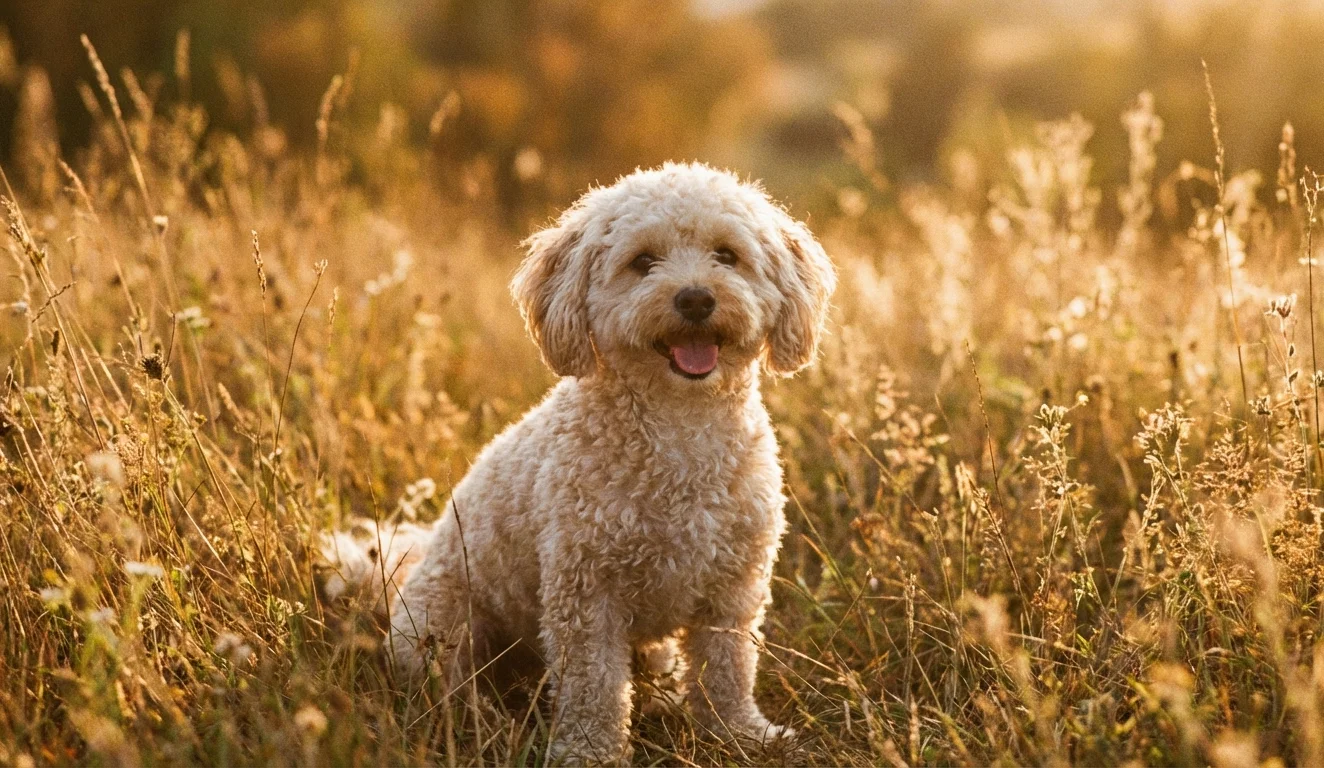
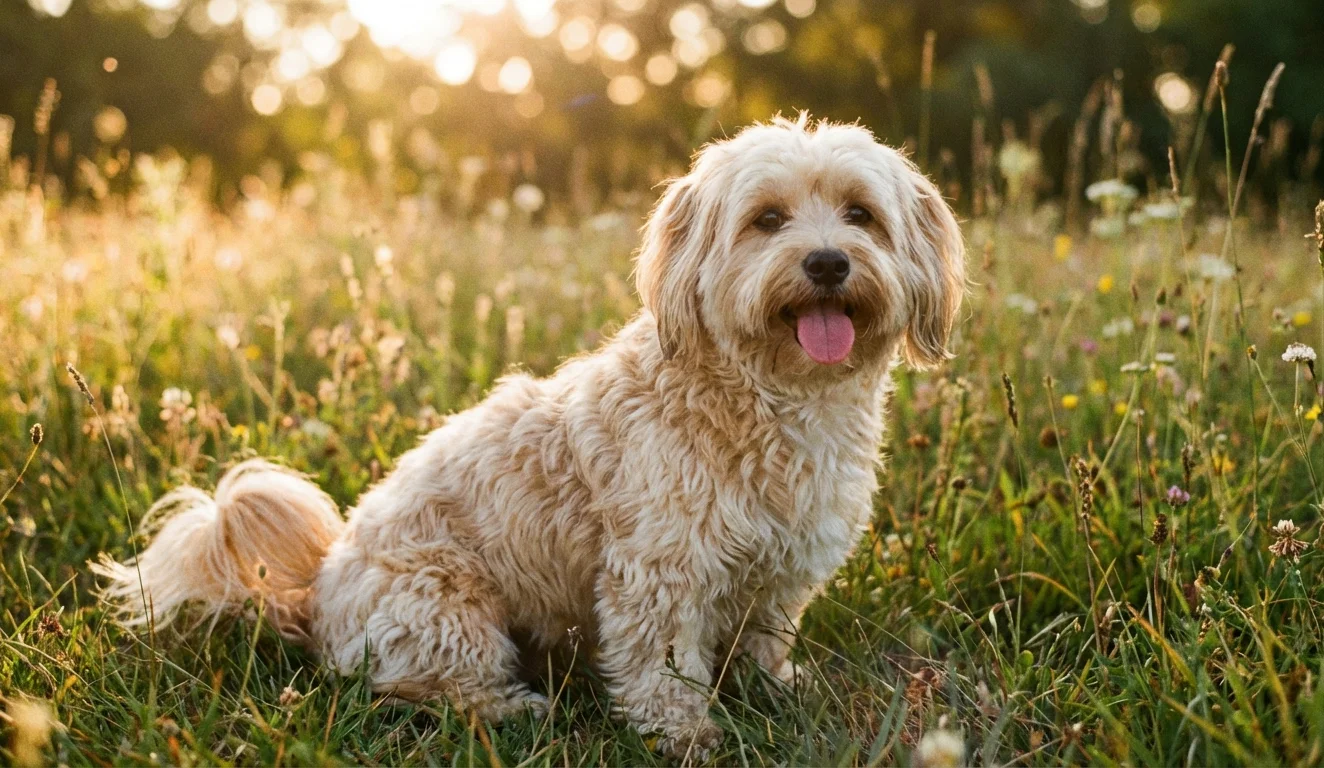
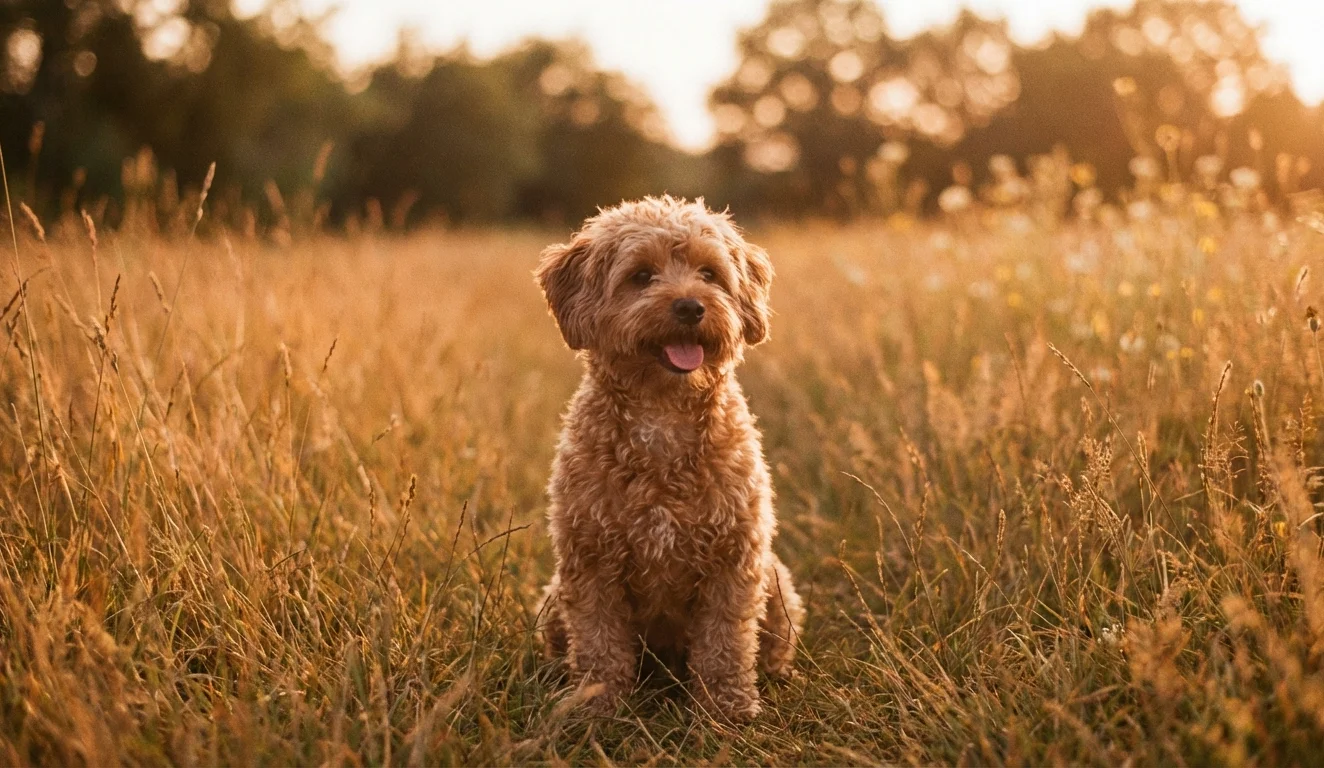
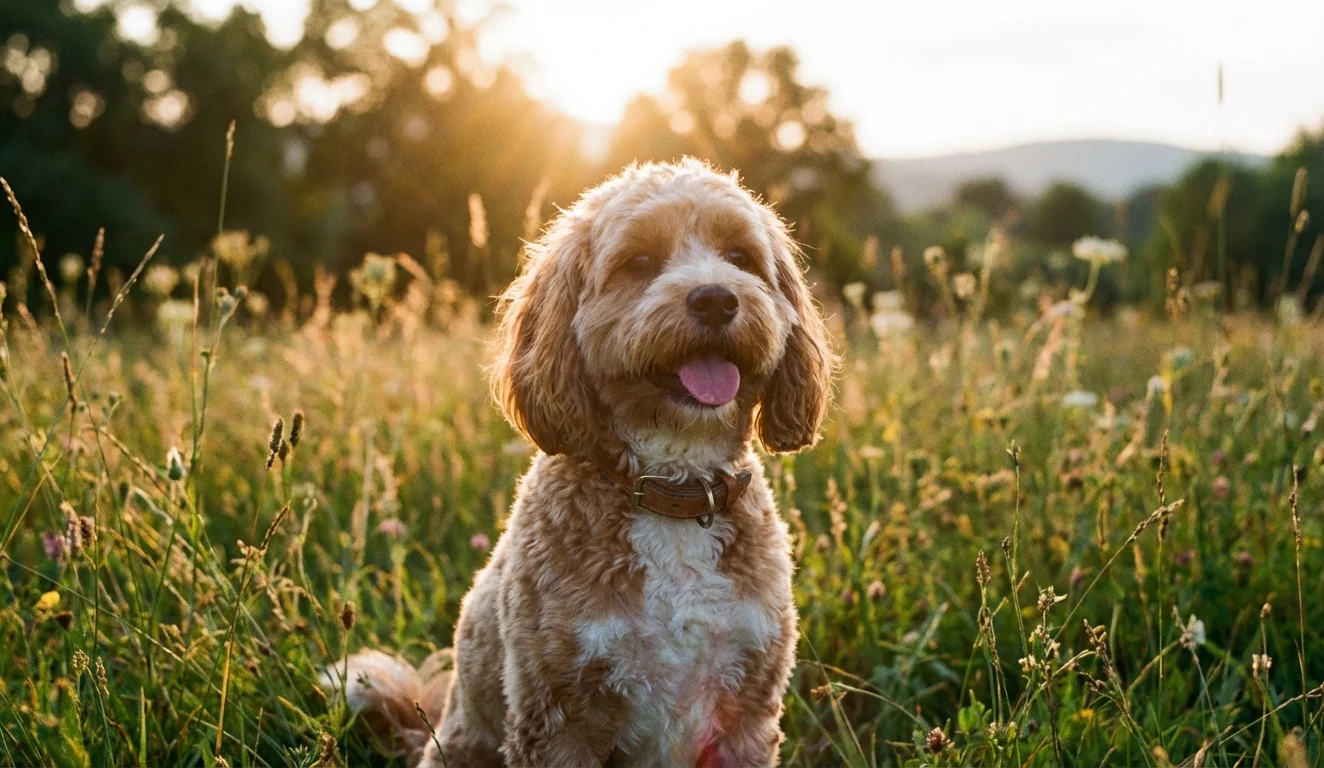
- Wavy coat: The “teddy bear” look that most people picture when they think of a Cavapoo. Soft waves, moderate grooming needs. This is the most common coat type in F1 Cavapoos.
- Straight coat: Most Cavalier-like. Silky and soft, but sheds more than curly or wavy coats. Less common, especially in F1B generations.
Colors include gold, cream, chestnut, white, tri-color, Blenheim (the classic Cavalier chestnut-and-white pattern), and sable. Blenheim and gold are the most popular, and breeders often charge a premium for tri-color and sable Cavapoos.
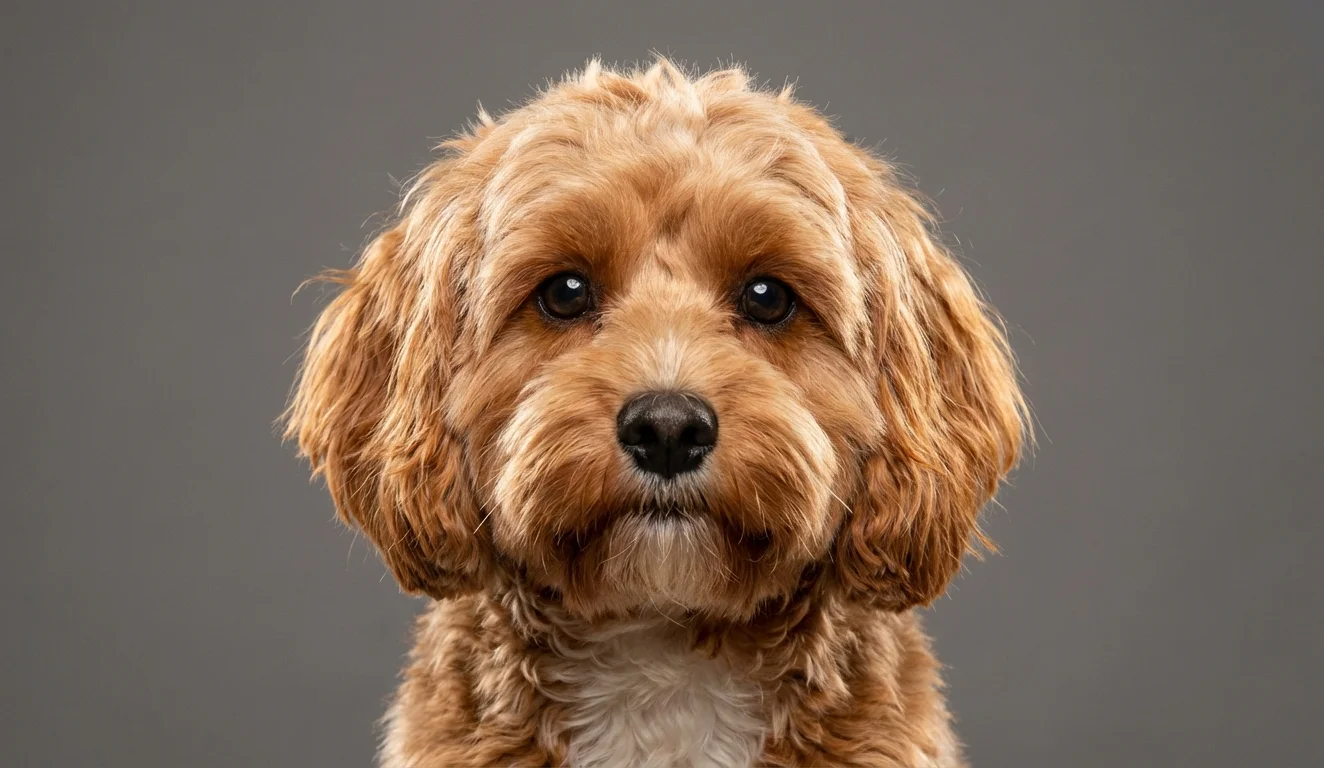
The face is where the Cavapoo really wins people over. Big round eyes (inherited from the Cavalier), a soft expression, and a rounded muzzle give them a puppy-like appearance that they never really outgrow. It’s the kind of face that makes strangers stop you on the sidewalk.
Cavapoo Temperament
If there’s a single word for the Cavapoo temperament, it’s “attached.” These dogs want to be with you. On you. Under you. Beside you every second of the day.
Affection is their primary operating mode. Cavapoos are lap dogs in the truest sense. They’ll curl up on your chest while you watch TV, follow you room to room, and press their body against your leg while you cook. Both parent breeds were bred specifically for human companionship, the Cavalier as a royal lap dog and the Poodle as a close-working partner, so this isn’t a trait that varies much. Virtually every Cavapoo we’ve met or heard about is a cuddler.
They’re adaptable in a way many small breeds aren’t. Cavapoos handle change reasonably well, new environments, new people, travel, as long as their person is there. They don’t have the nervous reactivity of many toy breeds. They’re usually happy wherever you are, which makes them good travel companions and decent candidates for apartment living.
Separation anxiety is the trade-off. That extreme attachment comes with a downside. Cavapoos are prone to separation anxiety, and we mean genuinely prone, not just “misses you a little.” Left alone for long stretches, many Cavapoos will bark excessively, destroy things, and develop stress behaviors. If you work a full day away from home, this breed needs a plan, doggy daycare, a dog walker, or a companion pet.
They’re gentle with kids and other animals. The Cavalier’s soft temperament dominates here. Cavapoos are rarely aggressive, rarely mouthy, and tend to be patient with small children. They also usually get along well with cats and other dogs.
Exercise Needs
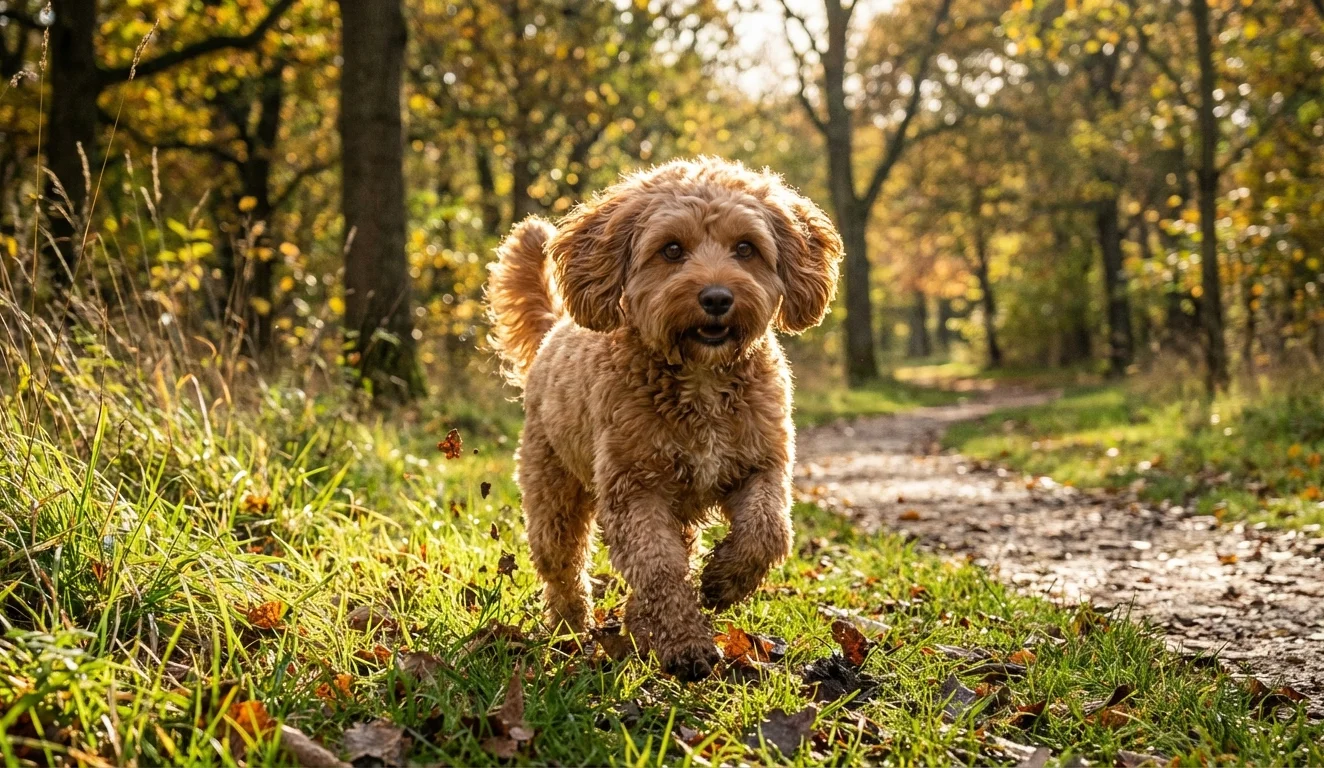
Cavapoos need about 40 minutes of exercise per day, which makes them one of the more manageable Poodle crosses in terms of activity demands. They’re not couch potatoes, but they’re not going to need trail runs to stay sane, either.
A couple of moderate walks (20 minutes each) plus some indoor play or a short fetch session covers it. They enjoy:
- Leash walks through the neighborhood
- Fetch in the backyard (they’re surprisingly enthusiastic retrievers given their size)
- Puzzle toys and interactive feeders for mental stimulation
- Short play dates with other similarly sized dogs
The Cavalier influence means Cavapoos are happy to alternate between activity and deep relaxation. A morning walk followed by three hours on the couch is a perfectly acceptable day in their book. This balance is a big part of why they work well for first-time owners and older adults.
Avoid over-exercising Cavapoo puppies. Their growing joints are delicate, and the 5-minutes-per-month-of-age rule (twice daily) is a good guideline until they’re physically mature around 12 months.
Grooming
Cavapoo grooming isn’t optional, that low-shedding coat requires consistent maintenance.
Brushing should happen daily for curly coats and at least 3-4 times per week for wavy coats. Use a slicker brush and work through the entire coat, paying special attention to areas that mat quickly: behind the ears, the armpits, and around the collar line. A steel comb for finishing helps catch hidden tangles.
Professional grooming every 6-8 weeks is standard. A full groom runs about $50-$80 depending on your location and the dog’s size. Most Cavapoo owners opt for the “puppy cut” or “teddy bear cut,” which keeps the coat at a manageable 1-2 inches all over.
Ear care matters with Cavapoos. The floppy Cavalier ears trap moisture, and the Poodle side can contribute hair growth inside the ear canal. Weekly ear checks with a gentle cleanser reduce infection risk. Ear infections are common enough in this cross that they made the health issues list in the breed database.
Dental care, small breeds need more dental attention, and Cavapoos are no exception. Brush teeth several times per week and plan on annual veterinary dental cleanings.
Annual grooming costs typically land around $400-$700, which is moderate for a Poodle cross. Add brushes, shampoo, and ear cleaner, and you’re looking at roughly $500-$800 per year total.
Cavapoo Health Issues
This is the section we want you to read carefully, because the Cavapoo’s health profile is a mixed bag. Hybrid vigor from crossing two different breeds does help, but the Cavalier King Charles Spaniel brings some of the most serious hereditary conditions in the dog world.
Mitral Valve Disease (MVD), This is the Cavalier’s defining health challenge. Studies have shown that over 50% of Cavalier King Charles Spaniels develop a heart murmur by age 5, and nearly all will have one by age 10. The condition is progressive, the mitral valve deteriorates, causing the heart to work harder and eventually leading to congestive heart failure. Cavapoos inherit risk for this condition. Treatment can cost $2,000-$8,000, and management is lifelong once diagnosed. Ask any Cavapoo breeder about cardiac testing of both parents. If they don’t test, don’t buy from them.
Patellar Luxation, The kneecap slips out of place. Moderate prevalence in the breed, with treatment costs of $1,500-$3,000 per knee if surgery is needed. Common in small dogs in general and something your vet should check for at annual exams.
Progressive Retinal Atrophy (PRA), A genetic eye disease causing gradual blindness. Both parent breeds carry the genes for PRA, which means this is one condition where the crossbreeding doesn’t reduce risk. DNA testing of breeding parents can prevent it entirely. Treatment and testing costs run $2,000-$3,000.
Syringomyelia (SM), This is one of the scariest conditions in the Cavalier world. It occurs when the skull is too small for the brain, forcing cerebrospinal fluid into the spinal cord and creating fluid-filled cavities. It causes chronic pain, scratching at the air near the head, and neurological symptoms. Treatment ranges from pain management to surgery at $5,000-$10,000. MRI screening of Cavalier parents is the gold standard, but not all breeders do it because of cost. We’d strongly recommend only buying from breeders who screen for this.
Ear Infections, Common prevalence due to the breed’s floppy ears and potential for ear canal hair. Individual episodes cost $100-$500 to treat, but chronic ear infections can become a recurring expense.
What to Ask a Cavapoo Breeder
At minimum, a responsible Cavapoo breeder should provide:
- Cardiac evaluation (both parents, ideally with annual rechecks)
- Patellar evaluation (OFA)
- Eye exam (CERF or OFA)
- DNA testing for PRA
- Ideally: MRI for syringomyelia on the Cavalier parent
The Cavalier health concerns are serious enough that we’d recommend spending more time vetting your breeder than you would with most other crosses. A healthy Cavapoo from health-tested parents is a completely different experience than one from untested lines.
Training
Cavapoos are highly trainable. The Poodle intelligence combined with the Cavalier’s desire to please creates a dog that genuinely wants to get it right. They’re sensitive to tone, so positive reinforcement is the way to go, treats and praise work beautifully. Harsh corrections will shut them down.
Start socialization early. Between 8 and 16 weeks, expose your Cavapoo puppy to different environments, people, and animals. Cavapoos are naturally friendly, but that friendliness benefits from early positive experiences. A well-socialized Cavapoo is confident without being pushy.
Address separation anxiety from day one. Practice leaving your Cavapoo alone for short periods during puppyhood and gradually increase the duration. Crate training is extremely helpful for this breed, it gives them a safe space and prevents destructive behavior when you’re away. If you wait until your Cavapoo is already anxious about being alone to start working on it, the process will be much harder.
Housetraining is generally easier with Cavapoos than with many small breeds. They’re eager to please and respond well to routine. Most Cavapoos are reliably housetrained by 5-6 months with consistent schedules and positive reinforcement.
They do well in group classes. Cavapoos are social enough to enjoy the environment and focused enough to learn in it. Puppy kindergarten followed by basic obedience is a solid path for this breed.
Cost
Cavapoos sit in the mid-to-upper range for designer breed pricing. The Cavalier health concerns make breeder selection (and the associated cost of health-tested puppies) especially important.
Purchase Price
- Reputable breeder: $1,500-$4,000. Health-tested parents, specific color requests, and F1B generation tend to push toward the higher end. Breeders who MRI-screen for syringomyelia may charge more, and it’s worth paying.
- Adoption/rescue: $200-$500. Cavapoos do show up in rescues, though puppies are uncommon. Adult Cavapoos in rescue can be wonderful dogs, they’re often already housetrained and past the puppy chewing phase.
First-Year Costs
| Expense | Estimated Cost |
|---|---|
| Spay/neuter | $250-$500 |
| Vaccinations and first-year vet visits | $300-$700 |
| Crate, bed, bowls, leash, harness | $150-$300 |
| Puppy training class | $100-$250 |
| Food (first year) | $300-$500 |
| Grooming (starting around 4 months) | $250-$500 |
| Total first-year estimate | $1,350-$2,750 |
Ongoing Monthly Costs
Expect $60-$150 per month once the first year is done:
- Food: $25-$50/month (small dogs eat less)
- Grooming: $50-$80 every 6-8 weeks (roughly $30-$50/month)
- Pet insurance: $25-$45/month (recommended given the breed’s health risks)
- Treats, toys, misc: $10-$20/month
Lifetime Cost
Over a 13-year lifespan, a Cavapoo will cost approximately $13,000-$28,000 including purchase price, routine care, grooming, and average veterinary costs. Heart-related health conditions inherited from the Cavalier side can significantly increase this number, budget for pet insurance or an emergency fund.
Is a Cavapoo Right for You?
A Cavapoo might be a great fit if you:
- Want a small, affectionate companion that’s great with kids
- Live in an apartment or smaller home
- Are a first-time dog owner looking for a forgiving breed
- Can be home most of the day or provide company for the dog
- Are willing to commit to daily grooming and regular professional grooming appointments
- Can afford health-tested puppy pricing and potential cardiac care down the road
A Cavapoo is probably NOT the right choice if you:
- Work long hours away from home with no one to watch the dog
- Want a low-maintenance coat (the grooming is real)
- Are uncomfortable with the health risks inherent in the Cavalier bloodline
- Want an independent dog that’s fine being left alone
- Are on a tight pet care budget (between grooming and potential health costs, expenses add up)
- Want a jogging or hiking partner, Cavapoos enjoy walks but aren’t built for high-intensity exercise
Related Breeds
If you’re considering this breed, you might also want to look at:
FAQ
Are Cavapoos hypoallergenic?
No dog is truly hypoallergenic, but Cavapoos shed significantly less than many breeds, especially F1B Cavapoos with curlier coats. The Poodle influence reduces dander and shedding, which makes Cavapoos a reasonable option for people with mild dog allergies. If you have severe allergies, spend time around a Cavapoo before committing. The straight-coated ones that take more after the Cavalier parent will shed more than the curly-coated ones.
How big do Cavapoos get?
Most Cavapoos settle between 12 and 20 pounds as adults, though the range extends from about 9 pounds for Toy Poodle crosses to 25 pounds for larger Miniature Poodle crosses. They’re typically full-grown by about 12 months, with some minor filling out until 18 months. If you need a specific size, an F1B generation from a proven breeder with consistent sizing is your best bet. But with any designer cross, there’s always some unpredictability.
Do Cavapoos bark a lot?
Cavapoos have a moderate barking level, they’ll alert you to the doorbell or an unfamiliar noise, but they’re not the type to bark for hours. Separation anxiety can increase barking significantly, which is the most common scenario where Cavapoo barking becomes a problem. A Cavapoo left alone and distressed will vocalize. The solution isn’t bark training so much as addressing the root cause: making sure the dog isn’t left alone for too long or has been properly conditioned to handle alone time.
What’s the difference between a Cavapoo and a Cockapoo?
Both are Poodle crosses with spaniel breeds, but the parent breed makes a meaningful difference. The Cavapoo uses a Cavalier King Charles Spaniel (gentle, low-energy, lap-dog temperament), while the Cockapoo uses a Cocker Spaniel (more energetic, slightly more independent, sportier build). Cavapoos tend to be calmer and more attached. Cockapoos tend to be bouncier and more playful. Health profiles differ too, the Cavalier brings heart concerns that the Cocker Spaniel doesn’t.
How long can a Cavapoo be left alone?
Adult Cavapoos can handle about 4-6 hours alone if they’ve been gradually conditioned to it. Puppies much less, roughly one hour per month of age. Beyond 6 hours, most Cavapoos will become anxious, and some will become destructive. If your schedule regularly keeps you away longer than that, you’ll need to arrange for a dog walker, pet sitter, or daycare. This isn’t a breed that does well being alone for a full workday, no matter how much you exercise them beforehand.