
Cockapoo Breed Guide: The OG Designer Dog, 60 Years and Counting (2026)
Cockapoos have been around since the 1960s, longer than most 'designer breeds' by decades. Here's why they've stuck around and what to actually expect.
The Cockapoo is a cross between a Cocker Spaniel and a Poodle, and it’s one of the oldest designer dog breeds in existence, dating back to the 1960s in the United States. Cockapoos typically weigh between 12 and 25 pounds, live 12 to 15 years, and are known for their friendly, people-first temperament and low-shedding coats.
In Short: 12–25 lbs, 12–15 years. Moderate-to-high energy. Low-shedding (often called hypoallergenic, though no dog truly is). Watch for Ear Infections. Great for families and first-time owners, apartment-friendly.
If you’ve been researching mixed breeds, the Cockapoo probably keeps showing up, and for good reason. This is a dog that’s had over 60 years to prove itself, and the track record speaks for itself: adaptable, affectionate, and genuinely happy to be wherever you are.
Cockapoo at a Glance
| Trait | Details |
|---|---|
| Breed Type | Designer / Hybrid (Cocker Spaniel x Poodle) |
| Size | 10–25 lbs depending on variety |
| Height | 10–15 inches |
| Lifespan | 12–15 years |
| Coat | Wavy, curly, or straight; low to moderate shedding |
| Temperament | Friendly, affectionate, playful, adaptable |
| Exercise Needs | 45–60 minutes per day |
| Grooming | Moderate to high (depending on coat type) |
| Good With Kids | Yes |
| Good With Other Dogs | Yes |
| AKC Recognized | No (hybrid breed) |
History of the Cockapoo
The Cockapoo holds a genuine claim as one of the first intentional designer dog crosses. While many hybrid breeds didn’t appear until the 1990s and 2000s, breeders in the United States began crossing American Cocker Spaniels with Poodles as early as the 1960s. The goal was straightforward: combine the Cocker Spaniel’s sweet, gentle disposition with the Poodle’s intelligence and low-shedding coat.
Unlike some designer breeds that appeared almost by accident, the Cockapoo developed an organized community relatively quickly. The Cockapoo Club of America, founded in 1999, works to establish breeding standards and promote responsible practices. The American Cockapoo Club also exists and advocates for multigenerational breeding, crossing Cockapoo to Cockapoo rather than always going back to the parent breeds.
The Cockapoo isn’t recognized by the AKC or any major kennel club, and opinions differ on whether that should change. Some breeders argue that standardization would improve health outcomes and predictability. Others believe the breed benefits from a wider gene pool. Either way, the Cockapoo has been around long enough that it’s more established than most hybrids on the market today.
Size and Appearance
One of the first questions people ask about Cockapoos is “how big will mine get?” The answer depends entirely on which type of Poodle was used in the cross.
Cockapoos come in three general size categories:
- Maxi Cockapoo: Bred from a Standard or large Miniature Poodle. Weighs 19 pounds and up, with some reaching 25–30 pounds. Stands 15+ inches tall.
- Miniature Cockapoo: Bred from a Miniature Poodle. Weighs 13–18 pounds and stands 11–14 inches tall. This is the most common size.
- Toy Cockapoo: Bred from a Toy Poodle. Weighs under 12 pounds and stands under 10 inches. A true lap dog.
The size variation means you can find a Cockapoo that fits almost any living situation, from a studio apartment (toy) to a house with a big yard (maxi).
Coat Types
Cockapoo coats vary widely, even within the same litter. You’ll generally see three types:
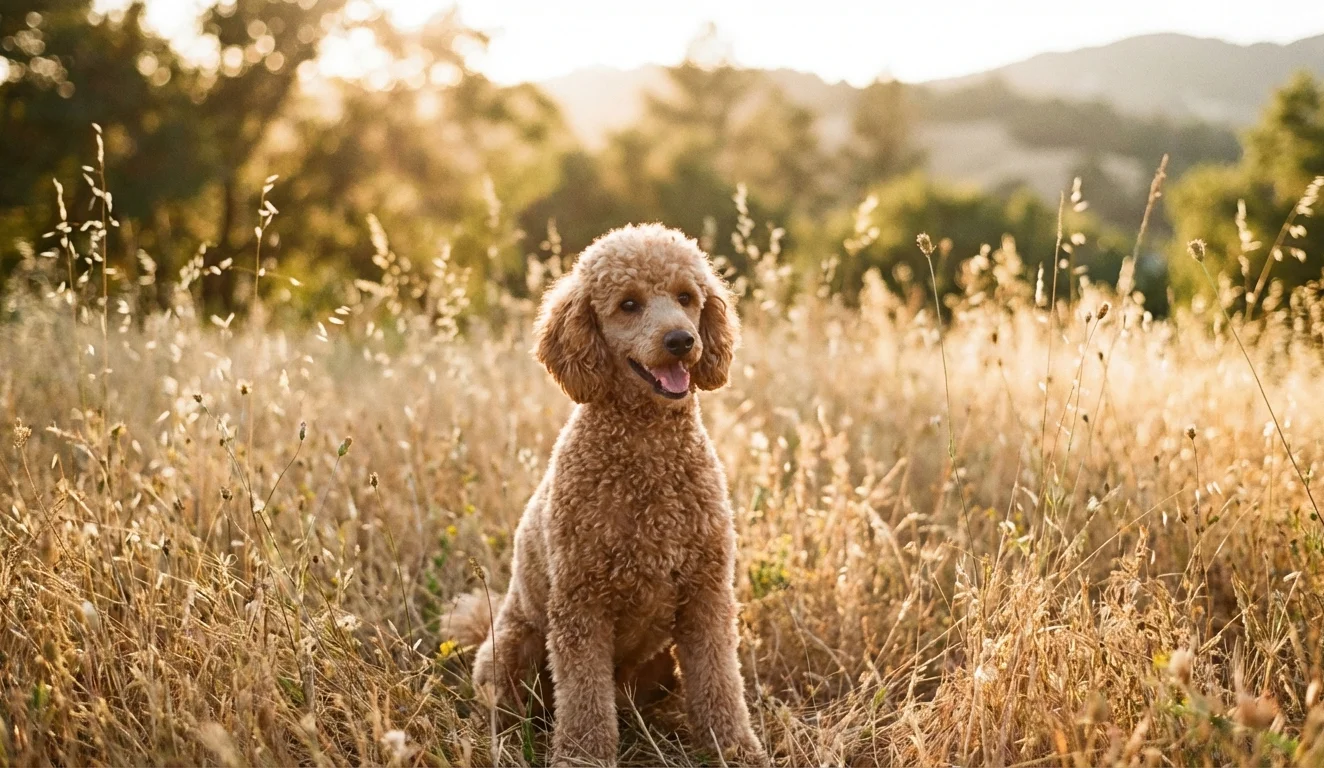
- Curly coat: Most similar to the Poodle parent. Tight curls, very low shedding, but requires the most grooming and maintenance.
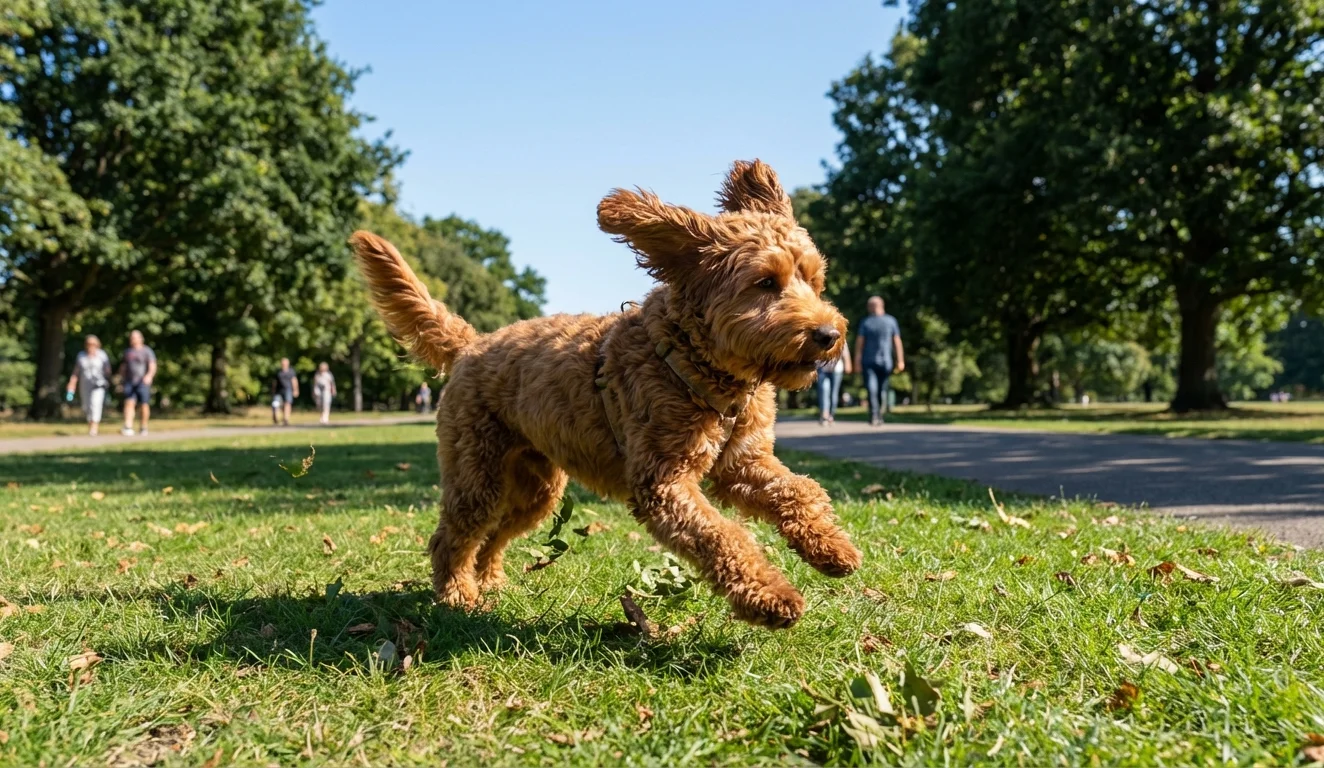
- Wavy coat: The most common Cockapoo coat. Loose waves, moderate shedding, and a softer texture. Looks like a teddy bear when groomed well.
- Straight coat: More like the Cocker Spaniel parent. Sheds more than curly or wavy, but needs less professional grooming.
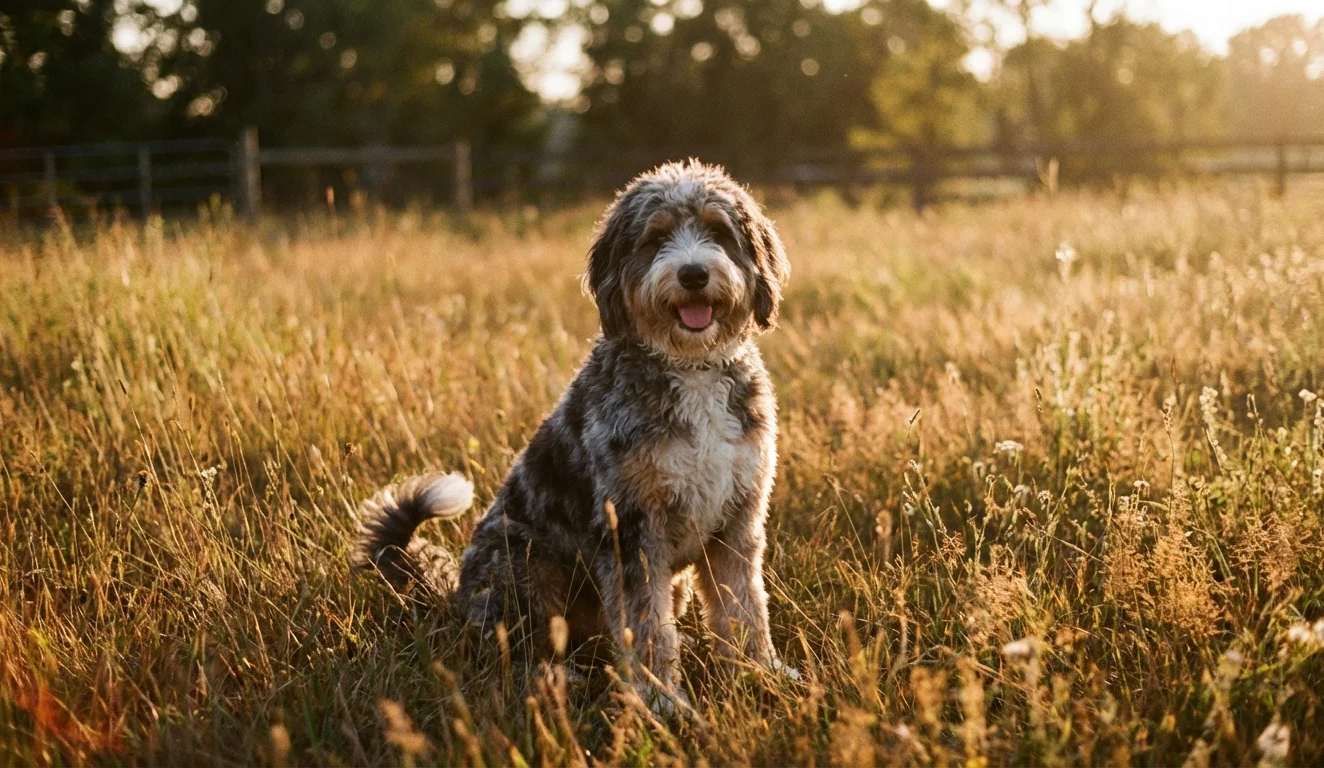
Cockapoo coat colors include black, white, cream, apricot, red, chocolate, and various parti-color (multi-colored) patterns. The Poodle side of the family contributes a huge range of color possibilities.
Cockapoo Temperament
The Cockapoo has a personality that just… works. They’re happy without being manic. Affectionate without being needy (well, mostly). Smart enough to train easily but not so smart they’re constantly outsmarting you. It’s a really nice middle ground, which probably explains why the breed has been popular for over half a century.
The Cocker Spaniel side brings warmth and affection. The Poodle side brings intelligence and eagerness to engage. Put them together and you get a dog that genuinely wants to be involved in whatever you’re doing, whether that’s a walk around the neighborhood or watching TV on the couch.
A few things that stand out about the Cockapoo temperament:
- Adaptable: Cockapoos adjust well to different living situations. They do fine in apartments (with adequate exercise) and thrive in larger homes. They’re good with singles, couples, and families.
- Social: Cockapoos generally love other dogs and are comfortable around new people. This isn’t a breed that tends toward suspicion or territorial behavior.
- Affectionate without being clingy: While Cockapoos want to be near you, they’re typically less prone to severe separation anxiety than some other companion breeds. But no Cockapoo wants to be left alone for 10 hours straight.
- Playful but not hyperactive: Cockapoos have a nice middle-ground energy level. They’re up for a game of fetch, but they also know how to settle down.
According to a 2019 study published in Scientific Reports surveying over 6,000 mixed-breed dogs, Poodle crosses scored above average in trainability and sociability compared to other hybrid combinations. The Cockapoo’s reputation as an easygoing companion is backed by actual behavioral data, not just anecdotes.
Exercise Needs
The Cockapoo needs about 45 to 60 minutes of exercise per day. That can be split however works for you, a 30-minute walk in the morning and some backyard playtime in the afternoon works perfectly.
Here’s a practical breakdown:
- Daily walks: 1–2 walks totaling 30–45 minutes
- Play sessions: 15–20 minutes of fetch, tug, or interactive toys
- Mental stimulation: Puzzle feeders, sniff walks, or short training sessions
Cockapoos aren’t high-energy athletes. They won’t demand five-mile runs or hours of agility work. But they’re not couch potatoes either, a Cockapoo that doesn’t get enough physical and mental stimulation will find ways to entertain itself, and you probably won’t like the results (chewed shoes, excessive barking, general mischief).
Swimming is a great option for Cockapoos. Many inherit the Cocker Spaniel’s natural affinity for water and the Poodle’s strong swimming ability, making the Cockapoo a surprisingly capable water dog.
Grooming
Grooming is where Cockapoo ownership gets real. That adorable teddy bear coat doesn’t maintain itself.
At Home
- Brushing: 3–4 times per week minimum. Curly-coated Cockapoos may need daily brushing to prevent mats. A slicker brush is your best friend.
- Ear cleaning: Weekly. The Cockapoo inherits the Cocker Spaniel’s floppy ears, which trap moisture and create a warm environment for bacteria and yeast. The Orthopedic Foundation for Animals (OFA) notes that Cocker Spaniels rank among the top breeds for ear infections, and Cockapoos share this predisposition.
- Teeth: Brush 3+ times per week. Smaller Cockapoos are especially prone to dental crowding.
- Nails: Trim every 2–3 weeks, or as needed based on wear.
- Eye area: Cockapoos can develop tear staining, particularly lighter-colored dogs. Wipe the area daily with a damp cloth.
Professional Grooming
Plan on professional grooming every 6 to 8 weeks. The typical grooming appointment runs $50–$85 depending on your location and the dog’s size. Cockapoo owners who skip professional grooming often end up with severely matted coats that require shaving down to the skin, uncomfortable for the dog and expensive to fix.
The most popular Cockapoo grooming styles include the “teddy bear cut” (even length all over, rounded face), the “puppy cut” (shorter, low-maintenance), and the “cocker cut” (longer ears and body, closer trim on the face).
Health Issues
Cockapoos are generally healthy dogs, and the hybrid vigor from crossing two different breeds can reduce the risk of certain inherited conditions. But “healthier than purebreds” doesn’t mean “no health problems.” Here are the conditions Cockapoo owners should know about:
Patellar Luxation
Patellar luxation, a condition where the kneecap slides out of position, is the most common orthopedic issue in Cockapoos. According to OFA data, approximately 6% of Poodles and 3.5% of Cocker Spaniels are affected. The condition ranges from mild (occasional skipping) to severe (requires surgical correction, typically $1,500–$3,000 per knee).
Progressive Retinal Atrophy (PRA)
Progressive Retinal Atrophy is an inherited eye disease that causes gradual vision loss and eventual blindness. Both Cocker Spaniels and Poodles carry the genes for PRA. Responsible Cockapoo breeders test both parents for PRA before breeding, this is a test you should absolutely ask about.
Ear Infections
Cockapoos are highly prone to ear infections (otitis externa). The combination of floppy ears from the Cocker Spaniel side and hair growth in the ear canal from the Poodle side creates ideal conditions for recurring infections. According to a 2018 study in Veterinary Dermatology, Cocker Spaniels have the highest prevalence of otitis externa among all breeds at approximately 17.4%. Regular ear cleaning and keeping the ears dry after swimming or bathing significantly reduces this risk.
Hip Dysplasia
Hip dysplasia is less common in Cockapoos than in larger breeds, but it can still occur. OFA evaluations show hip dysplasia rates of about 12.3% in Cocker Spaniels and variable rates in Poodles depending on size (Standards are more affected than Miniatures or Toys). The smaller size of most Cockapoos works in their favor here.
Other Conditions to Watch
- Cataracts: Both parent breeds are predisposed. Regular eye exams (annually) catch these early.
- Allergies: Skin allergies are moderately common, often showing up as itching, hot spots, or ear infections.
- Hypothyroidism: Can occur, particularly in middle-aged and older Cockapoos. Watch for weight gain, lethargy, and coat changes.
A healthy Cockapoo from tested parents can reasonably be expected to live 12 to 15 years, with some reaching 16 or 17.
Training
Cockapoos are among the easier dogs to train, and that’s not hype, it’s genetics. The Poodle consistently ranks as one of the top three most intelligent dog breeds according to Stanley Coren’s The Intelligence of Dogs, and the Cocker Spaniel’s eagerness to please adds natural cooperativeness to the mix.
What makes Cockapoo training go smoothly:
- Quick learners: Most Cockapoos pick up basic commands (sit, stay, come, down) within a few short sessions. They respond well to repetition without getting bored as quickly as some breeds.
- Food-motivated: Cockapoos tend to be food-driven, which makes treat-based positive reinforcement very effective.
- Sensitive: Cockapoos do not respond well to harsh corrections, raised voices, or punishment-based methods. If you use a heavy hand, a Cockapoo will shut down rather than comply. Positive reinforcement is the only approach that works consistently with the Cockapoo.
- Social learners: Puppy classes and group training work particularly well because Cockapoos enjoy the social component.
Common training priorities for Cockapoo owners include recall (Cockapoos can have a moderate prey drive from the Spaniel side), loose-leash walking, and teaching the Cockapoo to settle when guests arrive (they get excited).
Start training early. Cockapoo puppies are ready for basic commands at 8 weeks, and early socialization (exposing the Cockapoo to different people, places, sounds, and surfaces between 8 and 16 weeks) pays massive dividends in adult confidence and behavior.
Cost of Owning a Cockapoo
Purchase Price
A Cockapoo puppy from a reputable breeder typically costs $1,000 to $3,000. Prices vary based on breeder reputation, location, parent health testing, coat color, and generation (F1, F1b, F2, etc.). Cockapoos with unusual colors (merle, phantom) or from particularly well-known breeders may cost more.
Be cautious of Cockapoos priced well below $1,000. Low prices often indicate puppy mills or backyard breeders who skip health testing, and skipping health testing is how you end up with $5,000 vet bills two years later.
Cockapoo adoption is also an option. Breed-specific rescue organizations like Poo-Mix Rescue and general rescue groups occasionally have Cockapoos available, typically for $200–$500.
Monthly Costs
| Expense | Estimated Monthly Cost |
|---|---|
| Food (high-quality kibble or fresh) | $30–$60 |
| Grooming (averaged monthly) | $15–$30 |
| Preventive vet care (averaged monthly) | $15–$30 |
| Pet insurance | $25–$50 |
| Treats, toys, misc. | $10–$20 |
| Total | $80–$160 |
First-Year Extras
The first year with a Cockapoo puppy will include additional costs: spay/neuter ($200–$500), initial vaccinations ($150–$300), microchipping ($50–$75), crate and basic supplies ($150–$300), and puppy training classes ($100–$300 for a 6-week session). Budget an extra $700–$1,500 on top of monthly expenses during year one.
Is a Cockapoo Right for You?
The Cockapoo is a great fit if you:
- Want a friendly, affectionate dog that gets along with most people and pets
- Live in an apartment, house, or anything in between
- Can commit to regular grooming (this is non-negotiable)
- Have 45–60 minutes a day for walks and play
- Want a trainable dog that’s forgiving of beginner mistakes
- Are looking for a low-to-moderate shedding dog (though no dog is truly hypoallergenic)
The Cockapoo might not be right if you:
- Hate grooming or can’t budget for regular professional grooming
- Want a guard dog or watchdog (Cockapoos will bark to alert, but they’re not protective)
- Are away from home for very long hours every day without a dog walker or daycare
- Want a highly predictable, standardized breed (Cockapoos vary in size, coat, and appearance)
- Are looking for a running or hiking partner that can handle extreme distances (a Maxi Cockapoo can keep up on moderate hikes, but smaller Cockapoos have limits)
Related Breeds
If you’re considering this breed, you might also want to look at:
FAQ
How big do Cockapoos get?
Cockapoo size depends on the Poodle parent used in the cross. Toy Cockapoos weigh under 12 pounds, Miniature Cockapoos weigh 13 to 18 pounds, and Maxi Cockapoos weigh 19 pounds and up, with some reaching 25 to 30 pounds. The Miniature Cockapoo is the most commonly bred size, making a 13- to 18-pound adult the most typical outcome.
Do Cockapoos shed?
Cockapoos shed less than many breeds, but they are not completely non-shedding. Cockapoos with curlier coats (more Poodle influence) shed the least, while Cockapoos with straighter coats (more Cocker Spaniel influence) shed moderately. No dog breed is truly hypoallergenic, the American College of Allergy, Asthma & Immunology notes that allergens come from dander and saliva, not just fur, but Cockapoos produce fewer airborne allergens than heavy-shedding breeds.
How long do Cockapoos live?
Cockapoos have a typical lifespan of 12 to 15 years, with some Cockapoos living to 16 or 17 years. Smaller Cockapoos (Toy and Miniature) tend to live longer than Maxi Cockapoos, which is consistent with the general pattern of smaller dogs outliving larger ones. Good nutrition, regular veterinary care, maintaining a healthy weight, and daily exercise are the biggest factors in Cockapoo longevity.
Are Cockapoos good with children?
Cockapoos are widely considered excellent family dogs. The Cockapoo’s gentle, patient temperament and playful energy make Cockapoos well-suited to homes with children of all ages. Smaller Cockapoos (Toy variety) may be better matched with older children who understand gentle handling, since very small dogs can be injured by rough toddler play. As with any breed, supervise interactions between young children and Cockapoos, and teach children how to approach and handle dogs respectfully.
What’s the difference between F1, F1b, and F2 Cockapoos?
An F1 Cockapoo is a first-generation cross, one Cocker Spaniel parent and one Poodle parent (50/50 mix). An F1b Cockapoo is an F1 Cockapoo bred back to a Poodle (75% Poodle, 25% Cocker Spaniel), which typically produces curlier, lower-shedding coats. An F2 Cockapoo is the offspring of two F1 Cockapoos. F1b Cockapoos are the most popular choice for allergy-conscious buyers because the higher Poodle percentage generally means less shedding, though individual results still vary.