Yorkipoo Breed Guide: A Terrier With a Poodle Brain and Zero Chill (2026)
The Yorkipoo is a Yorkshire Terrier-Poodle cross that packs terrier fire into a 3-14 pound package. Here's what that actually means for your household.
The Yorkipoo is a cross between a Yorkshire Terrier and a Toy or Miniature Poodle. They weigh anywhere from 3 to 14 pounds, stand 7-15 inches tall, and live 10-15 years. Both parent breeds are sharp, confident, and far more dog than their size suggests, which means the Yorkipoo has a personality that could fill a room twice the size of any room it’s actually in. They’re low-shedding, energetic for their size, and affectionate with their people in that particular small-dog way where your lap becomes their permanent address.
In Short: 3–14 lbs, 10–15 years. Moderate-to-high energy. Low-shedding (often called hypoallergenic, though no dog truly is). Watch for Patellar Luxation. Great for families and first-time owners, apartment-friendly.
One thing to know upfront: the Yorkipoo inherits terrier stubbornness from the Yorkshire Terrier side and Poodle intelligence from the other. That combination is not the same as, say, a Cavalier-Poodle cross where both parent breeds are eager to please. A Yorkipoo knows exactly what you’re asking and will decide, on its own terms, whether to comply. We think that’s part of the charm. But if you’ve only had biddable breeds before, it’ll be an adjustment. (If you’re weighing different Poodle mixes, we’ve got profiles for Maltipoos, Cavapoos, Cockapoos, and other doodle crosses on the site.)
Yorkipoo at a Glance
| Trait | Details |
|---|---|
| Size | Standard: 7-14 lbs / Toy: 3-7 lbs |
| Height | 7-15 inches |
| Lifespan | 10-15 years |
| Energy Level | Moderate to high, more energetic than their size suggests |
| Shedding | Low |
| Good with Kids | Yes, with supervision |
| Good with Other Pets | Yes, generally good |
| Trainability | Moderate to high, smart but has an independent streak |
| Price Range | $800-$3,500 from a reputable breeder |
History
The Yorkipoo emerged in the United States during the designer breed boom of the late 1990s and early 2000s. The goal was to create a small, low-shedding companion with the Yorkshire Terrier’s spunk and the Poodle’s intelligence, minus some of the health issues each purebred carries individually. Whether that goal has been fully achieved is debatable, we’ll get to the health section, but the cross did produce a dog with a distinct personality that’s earned a dedicated following.
The Yorkshire Terrier has one of the more fascinating breed histories. Originally bred in 19th-century Yorkshire, England, as a working-class ratter in textile mills and coal mines, the Yorkie was never intended to be a lap dog. Victorian-era breeders gradually miniaturized the breed and repositioned it as a fashionable companion, but the terrier fire never left. Modern Yorkies still have the confidence and prey drive of a dog four times their size. They consistently rank in the AKC’s top 15 most popular breeds.
The Toy Poodle (or Miniature Poodle, depending on the specific cross) brings intelligence and trainability to the mix. Poodles are #2 in canine working intelligence, and even the Toy variety retains that mental sharpness. The low-shedding coat is the other major contribution, and it’s what makes the Yorkipoo appealing to allergy-conscious buyers.
Like all designer breeds, the Yorkipoo is not AKC recognized. There’s no breed standard, and individual dogs can vary significantly in size, coat type, and temperament depending on the parents and generation. A Yorkipoo that takes after its Yorkie parent looks and acts quite different from one that’s more Poodle-dominant. That unpredictability is part of the package.
Yorkipoo Generations
- F1: One Yorkshire Terrier parent, one Poodle parent. The most common generation and the most genetically diverse.
- F1B: F1 Yorkipoo bred back to a Poodle. Curlier, more consistently low-shedding coat.
- F2: Two F1 Yorkipoo parents. Most unpredictable traits.
Size and Appearance
Yorkipoo size spans a wide range because both the Yorkshire Terrier and the Poodle have significant size variation within their own breeds.
Standard Yorkipoo: 7-14 pounds, 10-15 inches tall. These are produced with a Miniature Poodle parent. They’re small but sturdy enough to handle a bit more activity and roughhousing than the smallest Yorkipoos.
Toy Yorkipoo: 3-7 pounds, 7-10 inches tall. Produced with a Toy Poodle parent. Very small, very portable, but genuinely fragile. Falls, rough handling, or accidental stepping can cause serious injury at this size.
Coat Types
Yorkipoo coats are one of the cross’s best features, generally low-shedding and soft.
- Curly coat: Poodle-dominant. Tight curls, very low shedding, needs daily brushing to avoid matting. Most common in F1B Yorkipoos.
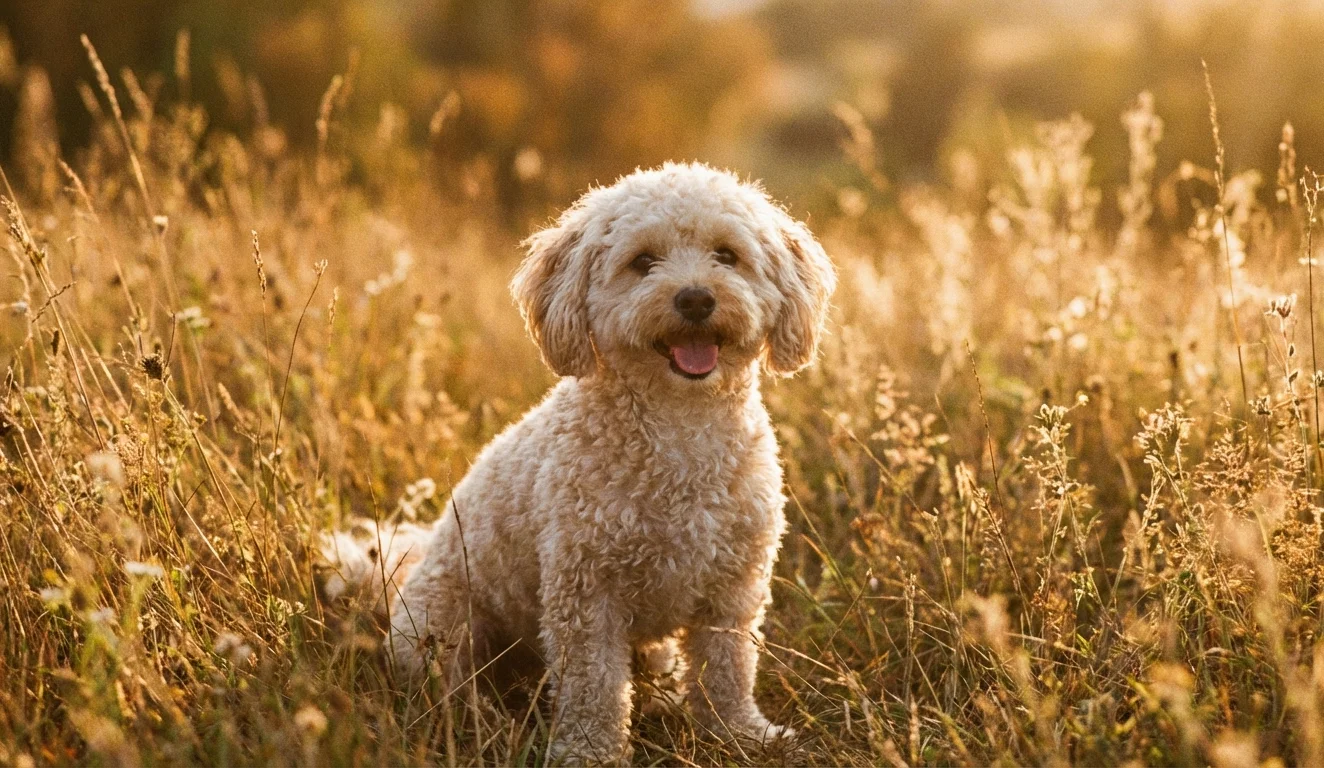
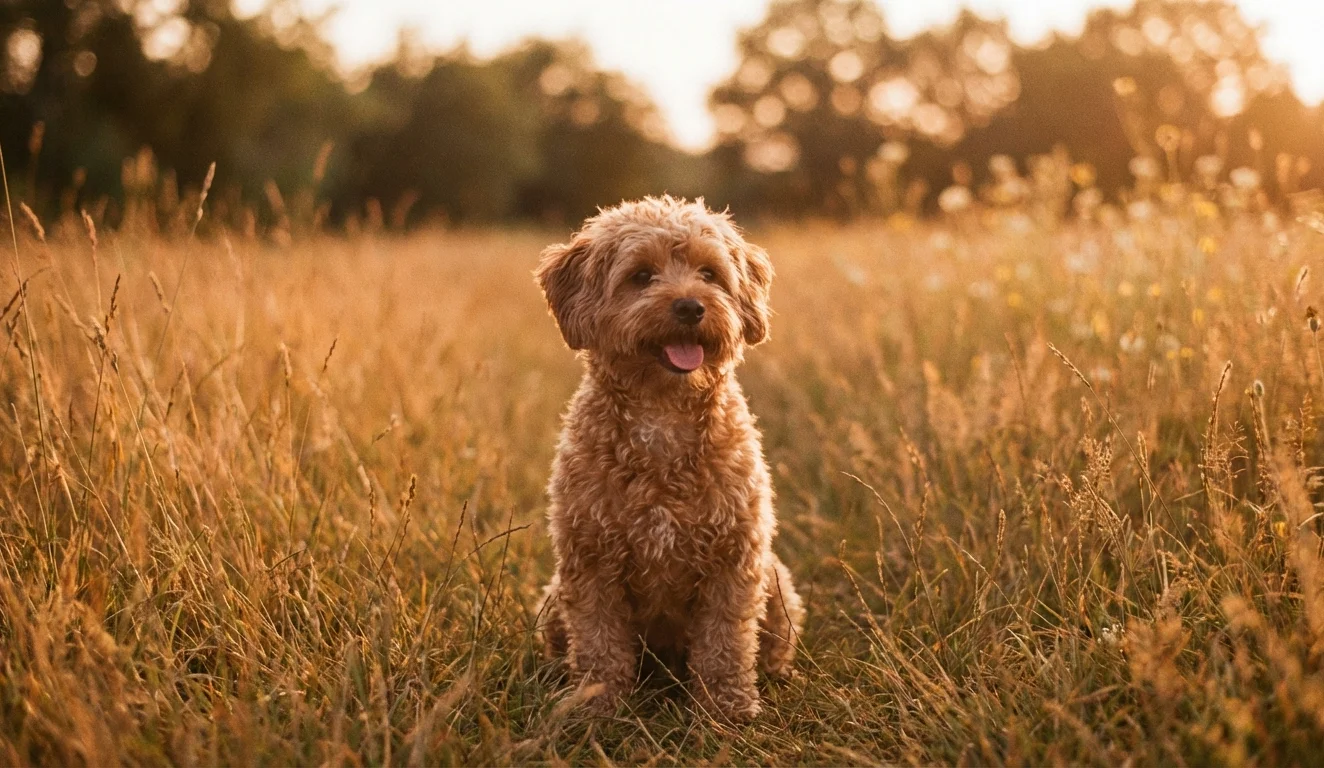
- Wavy coat: A blend of both parent coat textures. Soft waves, moderate grooming needs. The most common type in F1 Yorkipoos and probably the most popular look.
- Silky/straight coat: Yorkie-dominant. Fine, silky texture that drapes rather than curls. Beautiful but tangles easily and may shed slightly more than curly or wavy types.
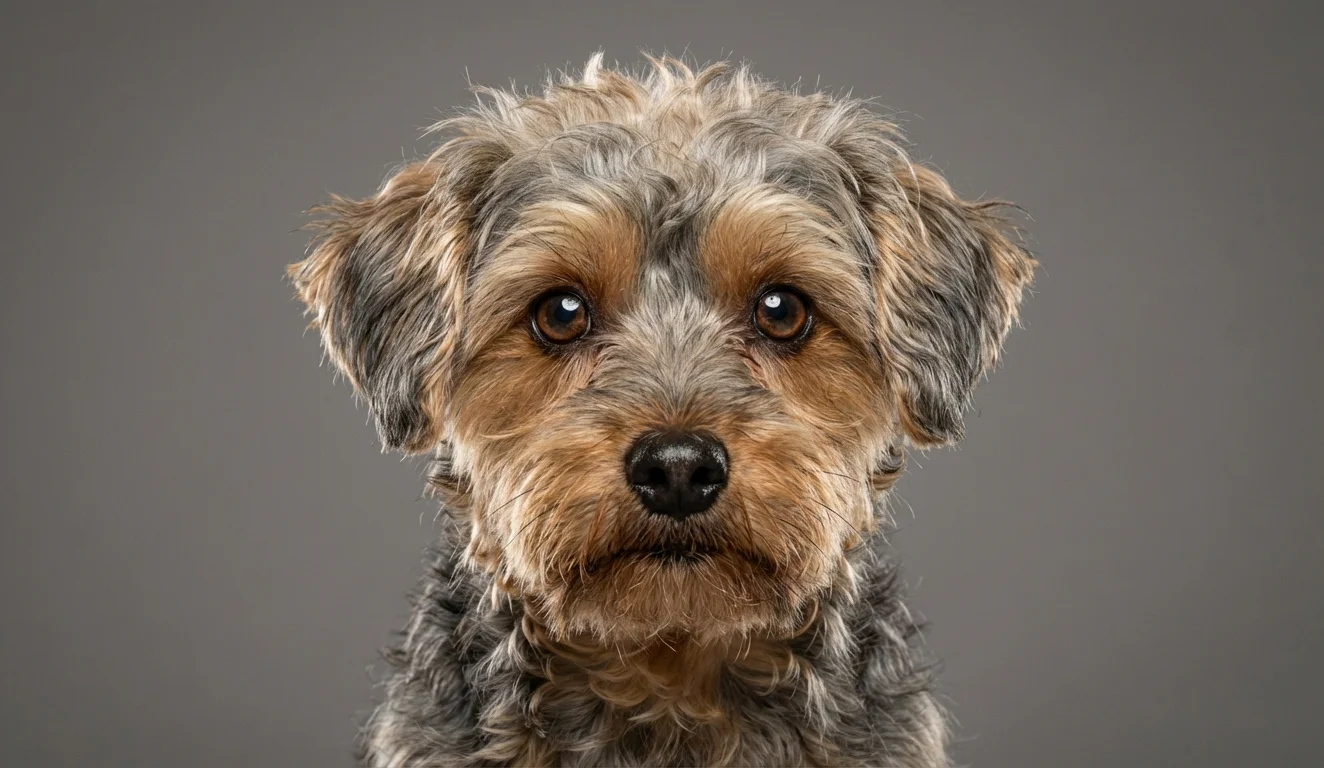
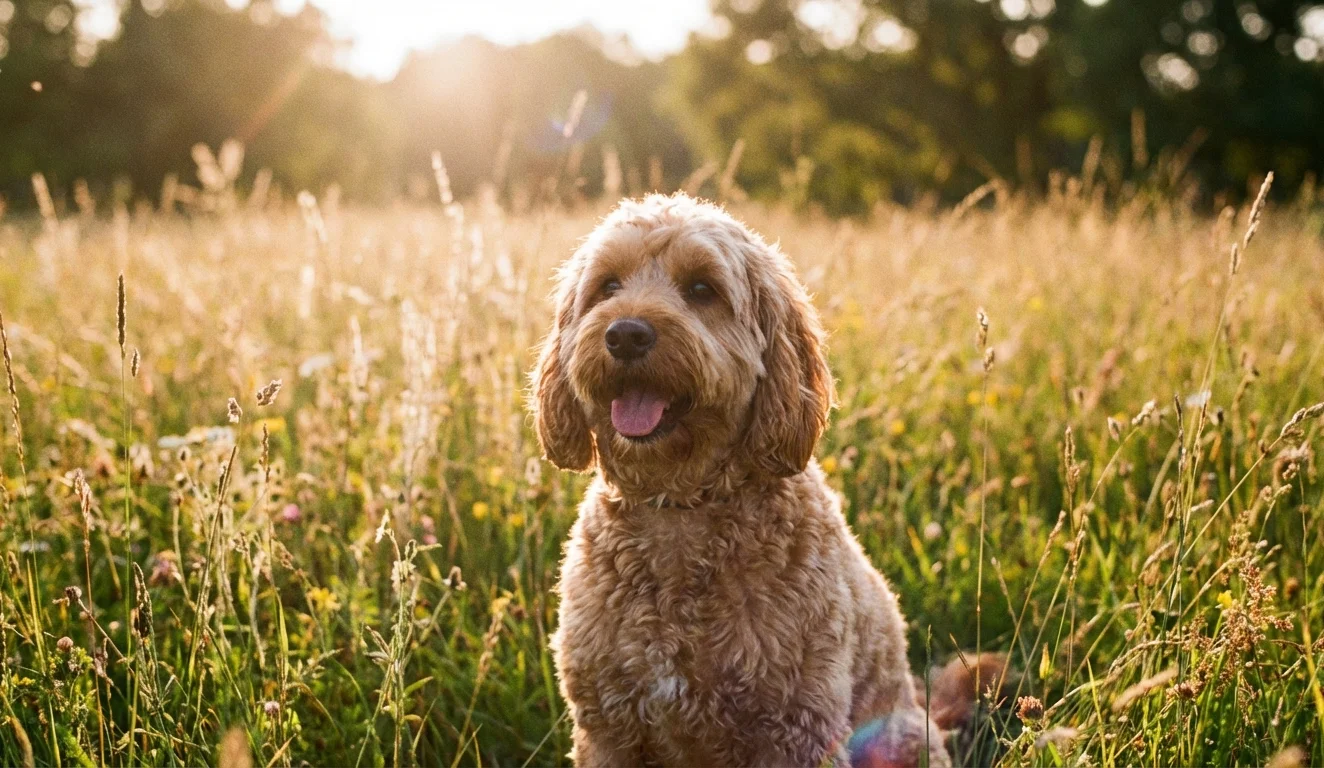
Colors are diverse: black and tan (the classic Yorkie coloring), solid black, apricot, red, cream, chocolate, silver, and sable. Many Yorkipoos change color as they mature. A black and tan puppy may develop silver or blue-grey tones by adulthood, this is especially common when the Yorkshire Terrier color-change gene is dominant. The color at 8 weeks is often not the color at 2 years.
Yorkipoos have expressive faces, large dark eyes, a small nose, and ears that can be erect (Yorkie-like) or floppy (Poodle-like) or somewhere in between. The ear type often isn’t predictable until the puppy is a few months old.
Yorkipoo Temperament
The Yorkipoo temperament is what happens when terrier attitude meets Poodle smarts. It’s a combination that’s endearing, exasperating, and entertaining, sometimes all in the span of five minutes.
Confidence is their defining trait. Yorkipoos don’t know they’re small. They’ll bark at delivery drivers, investigate loud noises, and square up to dogs five times their weight without hesitation. This isn’t necessarily bravery in the noble sense, it’s more like a total absence of self-awareness regarding their size. You’ll need to protect them from their own boldness.
They bond tightly. Yorkipoos are affectionate with their people and genuinely enjoy physical closeness. They’ll burrow under blankets, sit on your shoulder like a parrot if you let them, and protest loudly when you leave. The attachment is real, and so is the separation anxiety that can come with it.
The barking. Oh, the barking. Yorkipoos have a high barking level, inherited from both parent breeds, the Yorkie’s terrier alertness and the Poodle’s responsiveness to environmental stimuli. They bark at strangers, at other dogs, at the doorbell, at noises from the apartment next door. This is probably the most common complaint from Yorkipoo owners, and it’s something that needs proactive training from the start.
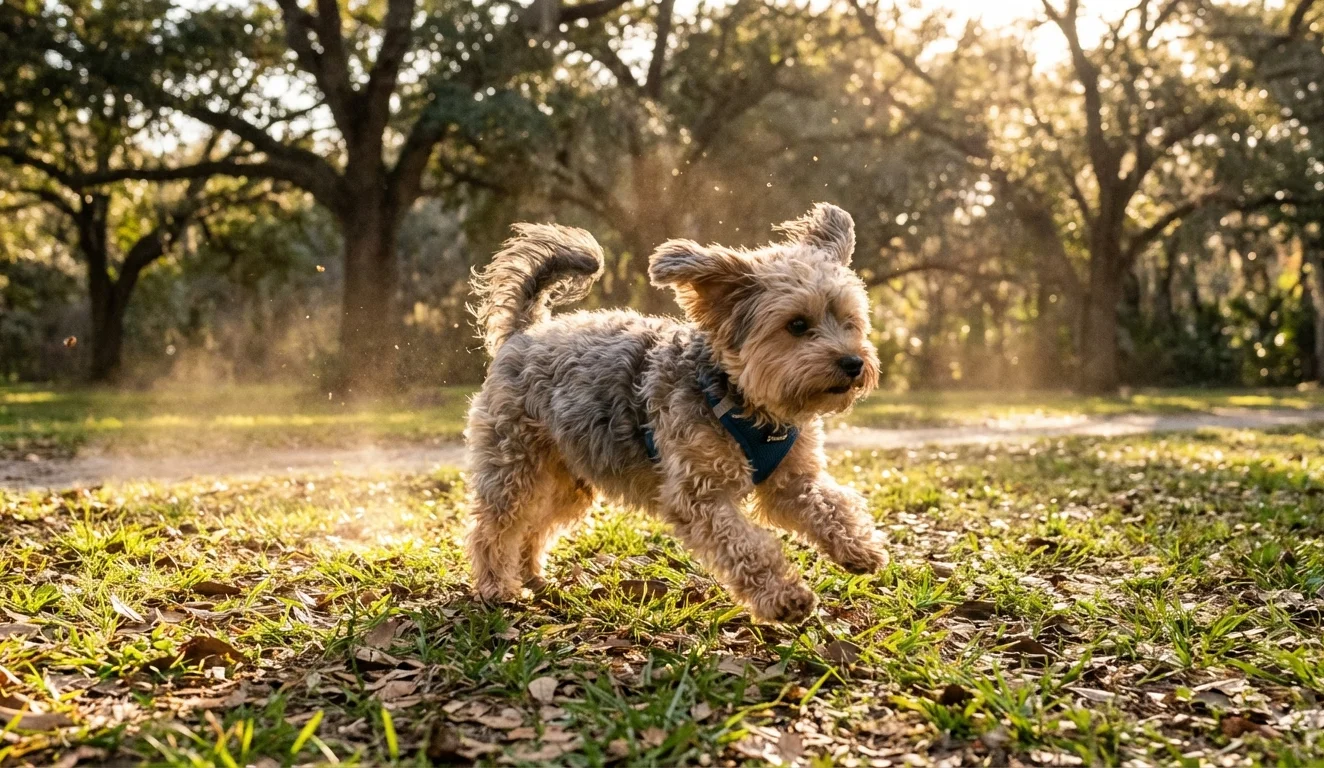
They’re playful and energetic for their size. Yorkipoos aren’t sedentary lap dogs. The terrier drive gives them a peppiness that keeps them busy, they’ll play with toys, chase things, do zoomies around the house, and generally refuse to be boring. They stay playful well into their senior years, which is one of the things owners love most about the cross.
Independent streak. Unlike more eager-to-please crosses like the Cavapoo, the Yorkipoo’s terrier heritage means it has opinions about whether your instructions are worth following. This isn’t defiance, it’s character. But it does mean training requires more patience and creativity.
Exercise Needs
Yorkipoos need about 30 minutes of exercise per day, which is manageable even for busy owners. But don’t let the low number fool you, they pack a lot of energy into that time frame.
Good exercise options:
- Short walks (10-15 minutes, two or three times per day)
- Indoor play sessions, fetch with a small ball, tug-of-war with appropriately sized toys, chase games
- Puzzle feeders and interactive toys for mental stimulation
- Short play dates with other small dogs
Avoid over-exercising, especially with the smaller Toy-sized Yorkipoos. Their joints are delicate, and activities involving jumping from heights (furniture, stairs) should be managed with ramps or restricted access. Long walks in extreme heat are also risky, tiny dogs with fast metabolisms overheat faster than larger breeds.
The mental exercise component matters as much as physical. Yorkipoos with Poodle brains that don’t get mental stimulation will find their own entertainment, and you probably won’t approve of their choices. Rotating puzzle toys, short training sessions, and sniff-oriented activities go a long way.
Cold weather is a factor. Yorkipoos don’t have much body mass for insulation. Below about 45 degrees, a lightweight coat or sweater is practical, not cosmetic. In freezing temperatures, limit outdoor time significantly.
Grooming
Yorkipoo grooming is an ongoing commitment, regardless of coat type.
Daily brushing is ideal, especially for curly and silky coats. The fine texture of Yorkipoo hair tangles easily, armpits, behind the ears, and the tail area are mat hotspots. A small slicker brush for the body and a fine-toothed comb for the face and legs works well. Skipping brushing for more than a couple of days leads to mats that may need to be cut out.
Professional grooming every 4-6 weeks is the standard schedule. A full groom costs $35-$60 depending on size and location, less than larger doodle breeds, which is one advantage of a tiny dog. Most owners go with a short all-over trim or a “puppy cut” for manageability.
Dental care is especially important. Both Yorkshire Terriers and Toy Poodles are prone to dental disease, and the Yorkipoo inherits that susceptibility. Small mouths, crowded teeth, rapid plaque buildup, the recipe for early tooth loss if you’re not proactive. Brush teeth daily if possible, or at minimum every other day. Annual professional dental cleanings ($200-$500) are an expected expense.
Tear staining can occur, particularly in lighter-colored Yorkipoos. Daily wiping around the eyes with a damp cloth or specialized wipe manages the cosmetic issue.
Annual grooming costs typically run $400-$650, less than larger Poodle crosses but still a meaningful line item in the budget.
Yorkipoo Health Issues
Yorkipoos benefit from the genetic diversity of a crossbreed, but both parent breeds bring specific conditions into the mix.
Patellar Luxation, Common. The kneecap slides out of its groove. Very prevalent in both Yorkshire Terriers and Toy Poodles, which means Yorkipoos have a significant predisposition. You’ll notice a characteristic “skipping” gait when it happens. Mild cases are managed conservatively. Severe cases need surgery at $1,500-$3,000 per knee.
Legg-Calve-Perthes Disease, The femoral head (the ball part of the hip joint) deteriorates due to insufficient blood supply. Moderate prevalence in small breeds, and both parent breeds are susceptible. Signs include progressive lameness in a hind leg, usually appearing between 4 and 12 months of age. Treatment is surgical, costing $1,500-$4,000, but recovery is usually excellent.
Hypothyroidism, The thyroid gland produces insufficient hormones, leading to weight gain, lethargy, skin changes, and hair loss. Moderate prevalence. It’s manageable with daily thyroid medication, which is inexpensive (roughly $20-$30/month), but diagnosis and monitoring cost $200-$1,000 over time.
Epilepsy, Low-to-moderate prevalence. Seizures can range from barely noticeable (brief staring episodes) to severe grand mal events. Lifelong anti-seizure medication is the standard treatment, with overall management costs of $500-$5,000 depending on severity.
Portosystemic Liver Shunt, An abnormal blood vessel bypasses the liver, allowing toxins to accumulate in the bloodstream. More common in toy breeds, and both parent breeds carry risk. Signs include stunted growth, confusion after meals, and seizures. Surgical correction costs $3,000-$8,000, but the prognosis after surgery is often good.
Health Testing for Yorkipoo Breeders
Request the following from any breeder:
- Patellar evaluation (OFA)
- Eye exam (CERF or OFA)
- DNA panel including PRA testing
- Cardiac evaluation
- Liver function screening (especially for very small puppies)
Training
Training a Yorkipoo is rewarding and occasionally humbling. They’re smart enough to learn just about anything. Whether they choose to perform it when you ask is a separate question entirely.
Positive reinforcement is essential. Yorkipoos respond to treats, praise, and play. Harsh corrections make them defensive or shut down, the terrier side doesn’t take well to being pushed around, even verbally. Keep treats tiny (these dogs have tiny stomachs) and sessions short, around 5-10 minutes, multiple times a day.
Bark training is priority number one. Start teaching “quiet” from the day you bring the puppy home. Don’t accidentally reinforce barking by responding to every alert (picking the dog up, going to the window, yelling “be quiet”, which the dog interprets as you barking too). Reward silence. Redirect attention. It takes weeks of consistency, and the barking will never disappear completely, but you can bring it down to manageable levels.
Socialization is critical during 8-16 weeks. Yorkipoos need early exposure to different people, dogs, environments, and sounds. An under-socialized Yorkipoo is a nervous, reactive, barky dog that snaps at unfamiliar hands. A well-socialized one is confident, adaptable, and significantly easier to live with. The difference is stark.
Housetraining takes patience. Like most toy breeds, Yorkipoos have small bladders and may take longer to housebreak than larger dogs. Consistent scheduling, frequent trips outside, positive reinforcement for going in the right spot, and access to indoor pee pads as a backup is the standard approach. Most Yorkipoos are reliably housetrained by 6-8 months, though accidents during cold or wet weather can persist longer because the dog simply doesn’t want to go outside.
Teach them that being picked up isn’t an escape hatch. Many small-dog owners pick up their Yorkipoo whenever it barks, growls, or seems uncomfortable. This teaches the dog that reactive behavior gets it what it wants, removal from the situation. Instead, teach them to cope with mildly uncomfortable situations on their own feet.
Cost
Yorkipoos are moderately priced and relatively affordable to maintain thanks to their small size. Grooming is the primary recurring expense beyond basic care.
Purchase Price
- Reputable breeder: $800-$3,500. Price varies widely based on breeder reputation, health testing, size (Toy-sized costs more), and color. The wide range reflects a market that includes both careful breeders and less scrupulous ones, do your homework.
- Adoption/rescue: $100-$400. Yorkipoos show up in rescues, and small-dog rescue organizations often have them. Adult Yorkipoos in rescue can be excellent pets, past the most difficult housetraining stage and often already socialized.
First-Year Costs
| Expense | Estimated Cost |
|---|---|
| Spay/neuter | $200-$400 |
| Vaccinations and first-year vet visits | $300-$600 |
| Crate, bed, bowls, leash, harness | $100-$200 |
| Puppy training class | $100-$250 |
| Food (first year) | $150-$350 |
| Grooming (first year, starting around 3-4 months) | $250-$400 |
| Dental cleaning | $200-$500 |
| Total first-year estimate | $1,300-$2,700 |
Ongoing Monthly Costs
Expect $50-$120 per month once the first year is behind you:
- Food: $15-$35/month (very small dogs eat very little)
- Grooming: $35-$60 every 4-6 weeks (roughly $25-$40/month)
- Pet insurance: $20-$35/month
- Treats, toys, misc: $10-$20/month
Lifetime Cost
Over a 12-year lifespan, a Yorkipoo will cost approximately $9,000-$22,000 including purchase price, routine care, grooming, and veterinary expenses. Major health events like surgery for patellar luxation or a liver shunt can push that number higher, so pet insurance or a dedicated savings fund is worth considering.
Is a Yorkipoo Right for You?
A Yorkipoo might be a great fit if you:
- Want a small, low-shedding dog with big personality
- Live in an apartment or small home
- Can handle (or even enjoy) a dog with opinions and character
- Are home enough to provide company and manage separation anxiety
- Want a dog that stays playful well into its senior years
- Can commit to daily grooming and regular professional grooming appointments
A Yorkipoo is probably NOT the right choice if you:
- Are sensitive to barking or live somewhere noise is a major concern
- Have very young children (the smallest Yorkipoos are genuinely fragile)
- Want a calm, quiet lap dog with no demands
- Expect a dog that immediately does everything you ask without negotiation
- Don’t want to deal with the uncertainty of a designer cross (size and coat variability)
- Work long hours away from home without a pet care plan
Related Breeds
If you’re considering this breed, you might also want to look at:
FAQ
Are Yorkipoos hypoallergenic?
Yorkipoos are low-shedding, which makes them better than average for people with mild dog allergies. Both parent breeds, the Yorkshire Terrier and the Poodle, produce less dander than heavy-shedding breeds. F1B Yorkipoos with curly coats tend to be the best option for allergy sufferers. But no dog is truly non-allergenic. People with severe allergies should spend time with Yorkipoos before committing, and keep in mind that saliva and urine contain allergens too, not just coat dander.
How big do Yorkipoos get?
Yorkipoo adult size ranges from about 3 pounds (Toy) to 14 pounds (Standard), with most landing in the 7-10 pound range. They’re typically at or near their adult size by about 10-12 months. The size of the Poodle parent is the biggest determinant, Toy Poodle crosses produce smaller Yorkipoos, Miniature Poodle crosses produce larger ones. Ask your breeder about the parents’ weights and the typical range from their previous litters if size is a priority for you.
Do Yorkipoos bark a lot?
Yes. We’re not going to dress it up. Yorkipoos are barky dogs. The terrier alertness from the Yorkie side combines with general small-dog confidence to produce a dog that vocalizes freely and often. Alert barking, excitement barking, demand barking, they’ve got the full repertoire. Consistent “quiet” training from puppyhood can reduce it to a manageable level, and making sure the dog gets enough exercise and mental stimulation helps too. But if you need a quiet dog, the Yorkipoo probably isn’t your match.
Are Yorkipoos good with children?
Yorkipoos can be good with older children who understand how to handle small dogs gently. They’re playful and affectionate, which kids tend to love. The concern is with toddlers and very young children, a 5-pound Yorkipoo can be seriously hurt by being dropped, sat on, or squeezed too hard. The dog’s potential response to rough handling (snapping, nipping) is also a factor. We’d recommend Yorkipoos for families with kids over about 7-8, or families where adults closely supervise every child-dog interaction.
What’s the difference between a Yorkipoo and a Maltipoo?
Both are small Poodle crosses bred for companionship, but the non-Poodle parent changes the personality significantly. The Yorkipoo uses a Yorkshire Terrier (terrier confidence, independent streak, feisty energy), while the Maltipoo uses a Maltese (gentle, devoted, softer temperament). Yorkipoos tend to be more energetic, more independent, and feistier. Maltipoos tend to be more gentle, more clingy, and slightly easier to train. Both bark more than you’d probably like. On size, they overlap significantly, both range from about 5-15 pounds depending on the Poodle parent.