Shetland Sheepdog Breed Guide: Small Dog, Big Brain, Bigger Bark (2026)
The Shetland Sheepdog looks like a miniature Collie but acts like a furry alarm system with a PhD. Here's the honest version of living with a Sheltie.
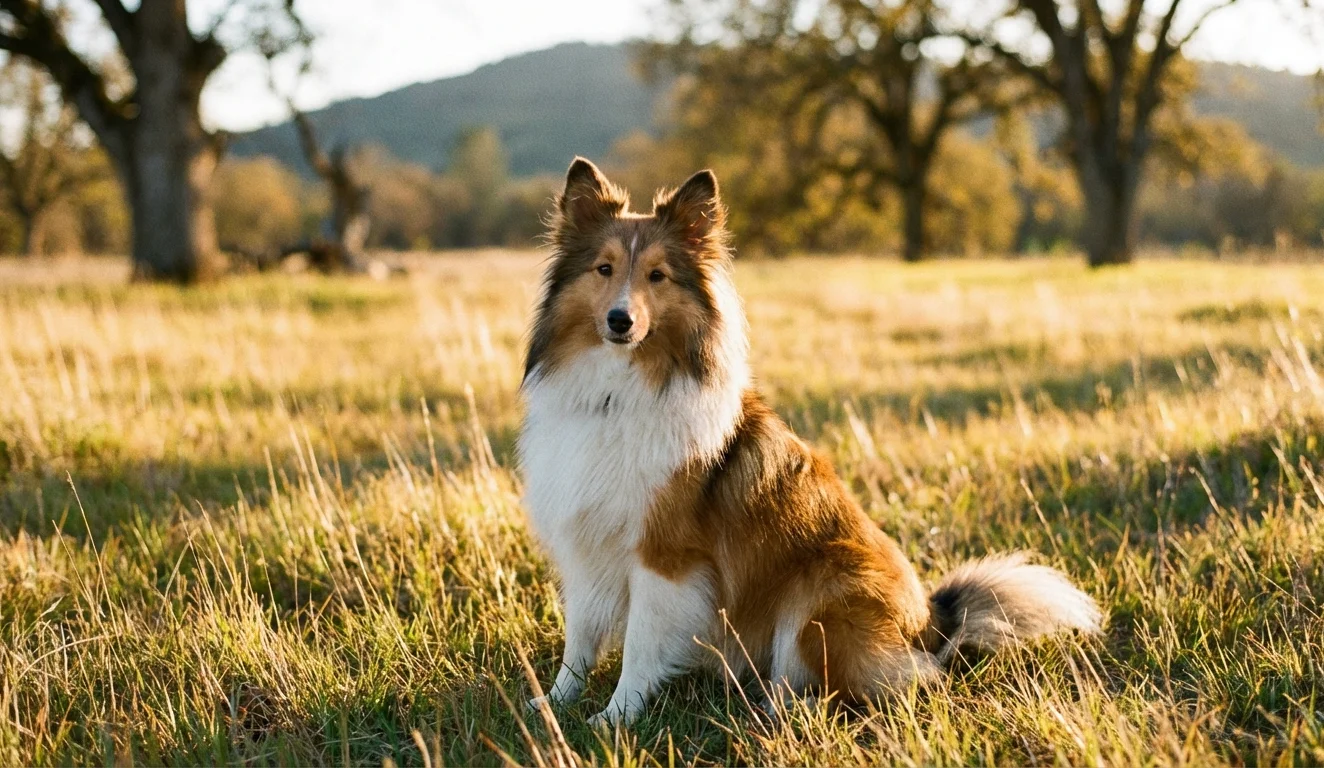
The Shetland Sheepdog weighs 15-25 pounds, stands 13-16 inches tall, and lives 12-14 years. They come from Scotland’s Shetland Islands, the same place that gave us Shetland ponies and Shetland sheep, everything out there is miniaturized, apparently. Shelties look like a Rough Collie hit the shrink ray, and they’ve been fooling people into thinking they’re Collie puppies for over a century.
In Short: 15–25 lbs, 12–14 years. High energy. Heavy shedder, expect fur everywhere. Watch for Collie Eye Anomaly. Great for families and first-time owners, apartment-friendly.
We need to be upfront about something: the Shetland Sheepdog barks. A lot. More than you’re imagining right now. The breed database lists their barking level as “very high,” and that’s not an exaggeration. If you live in an apartment with thin walls, or if barking drives you up the wall, stop reading here. But if you can handle the noise, what you get in return is one of the smartest, most trainable, most devoted small dogs on the planet. The Sheltie is ranked 6th in Stanley Coren’s canine intelligence rankings. Sixth. Out of 138 breeds.
Shetland Sheepdog at a Glance
| Trait | Details |
|---|---|
| Breed Group | Herding (AKC) |
| Height | 13-16 inches |
| Weight | 15-25 lbs |
| Life Expectancy | 12-14 years |
| Coat | Long, dense double coat with rough outer coat |
| Colors | Sable, Black & White, Blue Merle, Tricolor, Sable Merle |
| Temperament | Playful, Energetic, Bright, Loyal |
| Shedding | Very High |
| Energy Level | High |
| Good With Kids | Yes |
| Apartment Friendly | Yes (but the barking…) |
| Trainability | Very High |
History
The Shetland Sheepdog developed on the Shetland Islands, a rugged archipelago about 100 miles north of mainland Scotland. The islands’ harsh climate, limited grazing land, and small livestock favored smaller dogs that could herd sheep and guard crofts (small farms) without eating the family out of house and home. Every calorie mattered in the Shetlands.
The exact origins are debated. Most breed historians believe the foundation stock included small Collie-type dogs from the Scottish mainland, crossed with Spitz-type dogs from Scandinavian fishing boats that visited the islands. Some King Charles Spaniel and Pomeranian blood may have been added later to reduce size. The result was a small, agile herding dog perfectly suited to the islands’ steep terrain.
When the breed first entered the show ring in the early 1900s, it was called the “Shetland Collie”, which did not go over well with Rough Collie breeders. The name was changed to Shetland Sheepdog in 1909. The AKC recognized the breed in 1911. Through the mid-20th century, breeders worked to refine the Sheltie’s appearance toward a miniature Collie look while preserving the herding instinct and intelligence that made the breed useful in the first place.
Size and Appearance
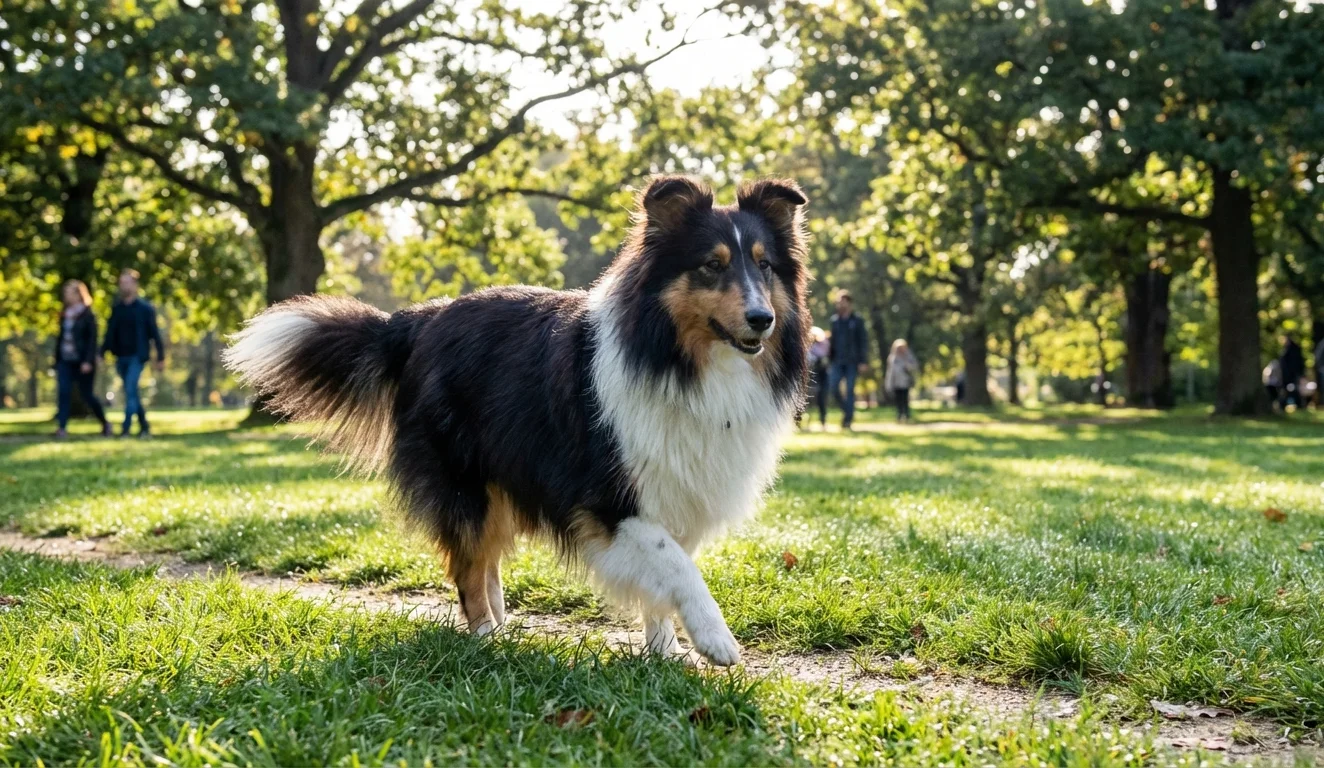
Shelties are small dogs with a big-dog look. They stand 13-16 inches at the shoulder and weigh 15-25 pounds. The breed standard calls for a dog that’s slightly longer than tall, with a refined, wedge-shaped head and a gentle expression.
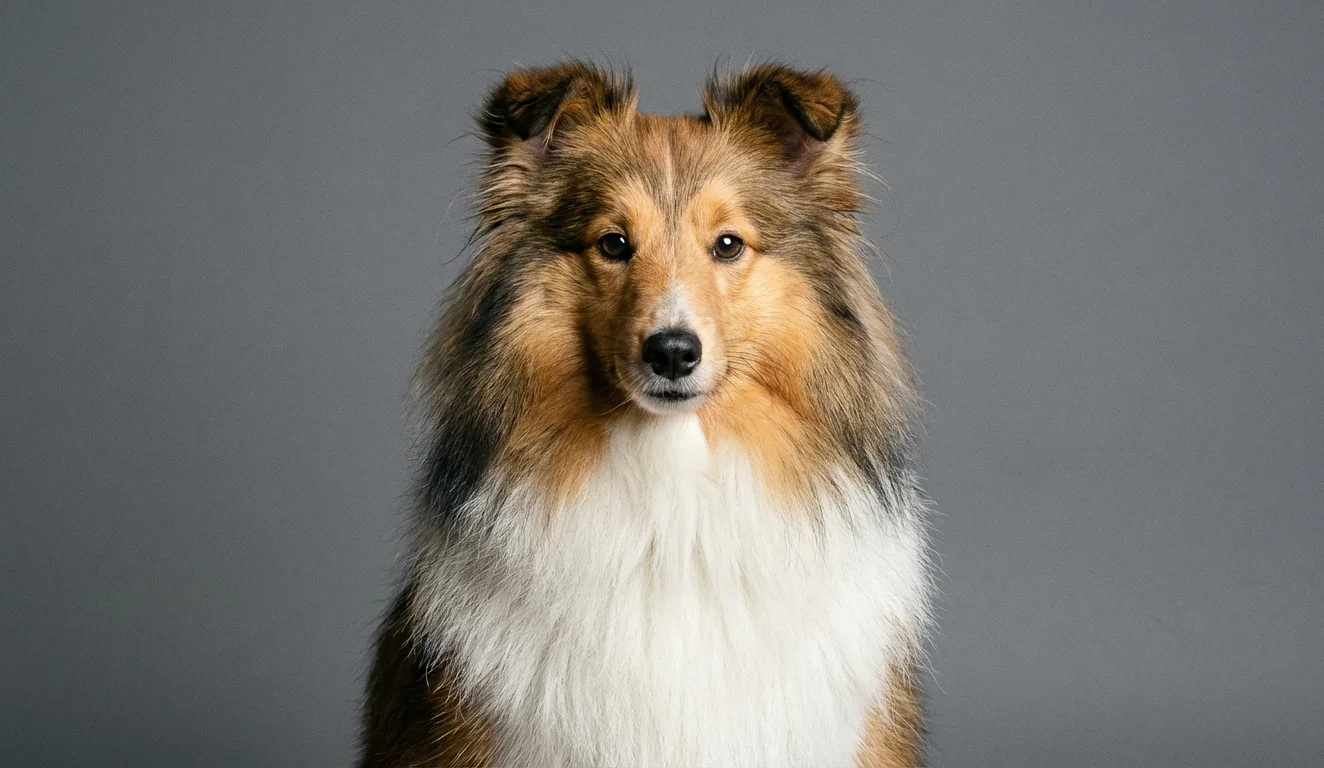
The resemblance to the Rough Collie is intentional and obvious. Same long, narrow muzzle. Same luxurious mane of fur around the neck and chest. Same general silhouette. Just scaled down by about 40%.
Coat and Color
The Sheltie coat is magnificent and high-maintenance in equal measure. It’s a long, dense double coat with a harsh, straight outer coat and a soft, furry undercoat. The neck and chest carry a heavy mane (called the “frill”), and the legs and tail are heavily feathered.
Colors include sable (ranging from golden to deep mahogany), tricolor (black with white and tan markings), blue merle (a mottled blue-gray pattern), black and white, and sable merle. Sable is the most common and the one most people associate with the breed.
A note on merle breeding: two merle Shelties should never be bred together. Double-merle offspring can have serious health problems including blindness and deafness. A responsible breeder will always pair a merle with a non-merle.
Shetland Sheepdog Temperament
The Sheltie is a herding dog in a small body, and that herding instinct shapes everything about their personality. They’re alert to everything happening around them, they’re vocal about what they observe, and they have an intense desire to manage their environment, which sometimes includes trying to herd your children, your other pets, and you.
The real day-to-day with a Sheltie:
- Brilliantly smart. We can’t overstate this. Shelties learn commands in 5-10 repetitions and obey first commands 95% of the time, according to Coren’s research. They pick up routines, read body language, and anticipate what you’re going to do before you do it. This intelligence is wonderful when channeled into training. When unchanneled, they’ll find creative ways to manage situations themselves, and you might not like their methods.
- Barking. So much barking. Shelties bark at visitors, delivery trucks, birds, weird noises, and sometimes at nothing identifiable at all. This is a herding breed behavior, they used their bark to control livestock, and they still use it to control everything else. Bark training is non-negotiable with this breed, and even with good training, you’ll never fully eliminate it. You can reduce it. You cannot silence a Sheltie.
- Reserved with strangers. Unlike the universally friendly Lab or Golden, Shelties tend to be cautious around new people. They’re not aggressive, they’re watchful. They’ll hang back, assess the situation, and warm up on their own timeline. This actually makes them decent alert dogs, since they’ll notice and announce anything unfamiliar.
- Deeply loyal to their family. Once a Sheltie bonds with you, that bond runs deep. They’re sensitive to your emotions, attentive to your routines, and happiest when the family is all together in one room. Some Shelties pick a favorite person and become especially attuned to that individual.
Exercise Needs
Shelties need about 60 minutes of exercise per day. They’re more athletic than their pretty appearance suggests, these are working herding dogs, and they have the stamina to match.
Good activities for Shelties:
- Brisk walks and jogging
- Agility (Shelties absolutely dominate the small-dog agility divisions, they’re fast, precise, and love the mental challenge)
- Fetch
- Herding trials if you have access to livestock or herding instinct tests
- Obedience and rally competitions
- Trick training and puzzle toys for mental exercise
Mental stimulation matters as much as physical exercise with this breed. A Sheltie that’s been physically tired but mentally bored will still bark, pace, and find trouble. Puzzle feeders, training sessions, and nose work can fill that gap.
Under-exercised Shelties get nippy, barky (even more than usual), and can develop obsessive behaviors like spinning or shadow chasing. If your Sheltie starts chasing shadows, that’s a red flag that they need more mental engagement.
Grooming
The Sheltie coat is beautiful. Maintaining it is a commitment.
Grooming routine:
- Brush 2-3 times per week minimum, using a pin brush and a metal comb. Work through the entire coat, paying special attention to behind the ears, the armpits, and the “pants” (the feathering on the back legs), these areas mat fastest.
- During seasonal blowouts (twice a year, lasting 2-3 weeks each), brush daily. The amount of undercoat that comes out during a blowout is genuinely alarming. Think handfuls. Then more handfuls.
- Bathe every 4-6 weeks or as needed
- Never shave a Sheltie’s coat. The double coat regulates temperature in both hot and cold weather, and it may not grow back correctly after shaving.
- Trim nails every 2-3 weeks
- Clean ears weekly
- Brush teeth 2-3 times per week
Professional grooming every 6-8 weeks is optional but helpful, especially during blowout season. Sessions typically run $50-$75.
Shedding is listed as “very high” and it earns that label. If fur on your clothes, furniture, and occasionally your food bothers you, the Sheltie will test your limits. A good vacuum cleaner isn’t optional, it’s a survival tool.
Shetland Sheepdog Health Issues
Shelties live 12-14 years and are a generally healthy breed, but there are several conditions that prospective owners should know about.
Collie Eye Anomaly (CEA)
This is the most common inherited eye condition in Shelties. CEA affects the development of the choroid (a layer of tissue in the eye) and can range from mild (no vision impact) to severe (retinal detachment and blindness). It’s present at birth and doesn’t worsen over time, whatever grade a puppy has at their first eye exam is what they’ll have for life. DNA testing can identify carriers, and reputable breeders screen for it. Treatment costs $500-$2,000 for severe cases requiring intervention.
Hip Dysplasia
Moderate rates in Shelties, which is somewhat unusual for a small breed. OFA evaluations are recommended for breeding dogs. Mild cases are managed with weight control, joint supplements, and anti-inflammatory medication. Surgical options for severe cases run $1,500-$6,000.
Progressive Retinal Atrophy (PRA)
Gradual degeneration of the retina leading to vision loss and eventual blindness. Unlike CEA, PRA is progressive, it gets worse over time. DNA testing is available and should be part of any breeding program. Dogs with PRA adapt remarkably well in familiar environments, using memory, hearing, and scent to get around. Testing and management costs run $2,000-$3,000.
Dermatomyositis
An inflammatory disease affecting the skin and sometimes the muscles. Shelties and Collies are the breeds most commonly affected. Symptoms include skin lesions (particularly on the face, ears, and paws), hair loss, and in severe cases, muscle weakness. Treatment involves immunosuppressive medications at $500-$2,000 depending on severity and duration.
Von Willebrand Disease (vWD)
A bleeding disorder caused by a deficiency of von Willebrand factor, a protein needed for blood clotting. Dogs with vWD may experience excessive bleeding from wounds, surgery, or even nail trims. It’s diagnosed with a blood test and occurs at moderate rates in Shelties. Most affected dogs have the Type III (severe) form. Treatment and management run $500-$3,000. Always inform your vet if your Sheltie is vWD-positive before any surgical procedure.
Training
Training a Sheltie is genuinely enjoyable. They’re quick, eager, and seem to get satisfaction from learning new things. The breed’s intelligence means they pick up commands faster than almost any other breed their size.
Training priorities for Shelties:
- Bark management from day one. Teach a “quiet” command early and reinforce it consistently. You won’t eliminate barking entirely, it’s wired into the breed, but you can teach your Sheltie that one or two alert barks is enough. Rewarding silence is more effective than punishing noise.
- Socialization is particularly important. Because Shelties tend to be reserved with strangers, early exposure to different people, environments, and situations between 8-16 weeks helps prevent that natural caution from tipping into fearfulness.
- Channel the herding instinct. If your Sheltie starts nipping at heels or trying to herd kids and other pets, redirect that energy into appropriate activities. Herding-style games, agility, and structured play give the instinct a proper outlet.
- Keep it positive. Shelties are sensitive. Harsh corrections damage their confidence and can create a fearful, neurotic dog. Use treats, praise, and play as rewards. Short, upbeat training sessions work better than long, repetitive ones.
- Obedience and tricks come naturally. Don’t stop at basic commands. Shelties can learn complex trick sequences, hand signals, and distance commands. Keeping their brain busy is just as important as keeping their body busy.
Cost
Purchase Price
A Shetland Sheepdog puppy from a reputable breeder typically costs $800-$2,000. Blue merle Shelties sometimes command slightly higher prices due to demand. Show-quality puppies from champion lines can push to $2,500+.
Sheltie rescue is a viable option, breed-specific rescue organizations like the National Sheltie Rescue Association operate across the country. Adoption fees typically run $200-$500.
Monthly Costs
| Expense | Monthly Estimate |
|---|---|
| Food (high-quality small breed) | $25-$45 |
| Preventive vet care (averaged) | $15-$25 |
| Pet insurance | $25-$50 |
| Grooming supplies/professional (averaged) | $10-$20 |
| Treats and chews | $10-$15 |
| Miscellaneous (toys, supplies) | $10-$20 |
| Total | $70-$150 |
First-Year Costs
Expect to spend $2,500-$4,500 in the first year. Invest in quality grooming tools upfront, a good pin brush, a metal comb, and a deshedding rake will last years and save you money versus frequent professional grooming sessions. Also budget for a couple rounds of training classes, since early socialization and bark management training are worth every penny with this breed.
Is a Shetland Sheepdog Right for You?
A Shetland Sheepdog is a great fit if you:
- Want an incredibly smart, trainable small dog
- Are interested in dog sports, agility, obedience, rally, herding trials
- Can commit to regular grooming and don’t mind heavy shedding
- Want a loyal dog that bonds closely with the family
- Have the patience and interest to provide mental stimulation daily
- Live in a house (apartments can work, but the barking will be a challenge)
A Shetland Sheepdog might NOT be right if you:
- Are sensitive to noise and can’t tolerate frequent barking
- Live in a noise-restricted apartment or condo
- Don’t want to deal with significant shedding and regular grooming
- Prefer a dog that’s immediately friendly with everyone
- Want a low-maintenance pet that doesn’t need much mental engagement
- Are a first-time owner who isn’t prepared for a herding breed’s quirks (though Shelties are listed as first-time friendly, we’d add a caveat that you need to understand the barking commitment)
The Sheltie is a lot of dog in a small package. They’re athletic enough to compete at the highest levels of agility, smart enough to learn just about anything you can teach them, and loyal enough to make you feel like the most important person alive. The price of admission is fur on everything you own and a dog that announces every delivery truck within a three-block radius. For the right owner, it’s a bargain.
Related Breeds
If you’re considering this breed, you might also want to look at:
Frequently Asked Questions
Are Shetland Sheepdogs the same as miniature Collies?
No. The Shetland Sheepdog is a distinct breed, not a downsized Rough Collie. While they share ancestry and look remarkably similar, they’ve been a separate breed for over a century. Shelties have different proportions (relatively wider skull, slightly different body structure) and a somewhat different temperament, they tend to be more reserved with strangers and more vocal than Collies. The resemblance is strong enough, though, that people will call your Sheltie a “baby Lassie” for the dog’s entire life. You’ll get used to it.
Do Shetland Sheepdogs bark a lot?
Yes. This is probably the most common question about the breed, and the honest answer is yes, they bark more than most breeds. Shelties bark to alert, bark when excited, bark when bored, and sometimes bark because they seem to enjoy the sound of their own voice. Training can reduce it significantly, but it will never eliminate barking entirely. If barking is a dealbreaker for you, the Sheltie is not your breed. If you can manage it with training and accept some level of ongoing vocalization, you’ll get one of the most rewarding dogs out there.
Are Shelties good apartment dogs?
Physically, yes, they’re small enough and adaptable enough for apartment living. The problem is acoustic. A barking Sheltie in an apartment building will generate noise complaints. If you can successfully train your Sheltie to keep barking to a minimum and you provide enough exercise and mental stimulation, apartment living can work. But it requires more effort than it would with a quieter breed of similar size.
How much do Shetland Sheepdogs shed?
A staggering amount. Shelties have a dense double coat that sheds year-round, with two major blowouts per year that last 2-3 weeks each. During blowouts, you’ll pull fistfuls of undercoat out during brushing sessions. Between blowouts, there’s a steady stream of hair on your clothes, furniture, and floors. A quality vacuum cleaner and a lint roller are not optional. Shaving the coat is not recommended, it disrupts temperature regulation and may damage the coat permanently.
Are Shetland Sheepdogs good with children?
Shelties are generally good with children, they’re gentle, playful, and patient. The one thing to watch for is herding behavior. Some Shelties will try to herd running children by nipping at their heels, which isn’t aggressive but can scare or hurt small kids. Redirecting this behavior through training and providing appropriate outlets for the herding instinct (like agility or herding-style games) usually solves the problem. Supervised interaction and teaching kids to be calm around the dog helps too.