Pembroke Welsh Corgi Breed Guide: Short Legs, Enormous Personality (2026)
The Pembroke Welsh Corgi packs herding-dog intensity into a 30-pound body. Here's what life with one actually looks like.
The Pembroke Welsh Corgi stands 10-12 inches tall, weighs 25-30 pounds, and lives 12-15 years. Those are the stats. What they don’t tell you is that this stumpy little herding dog has more attitude per pound than almost any breed on the planet. Corgis are bold, opinionated, and genuinely funny, they seem to know they’re absurd-looking, and they lean into it.
In Short: 25–30 lbs, 12–15 years. High energy. Heavy shedder, expect fur everywhere. Watch for Hip Dysplasia and Degenerative Myelopathy. Great for families and first-time owners, apartment-friendly.
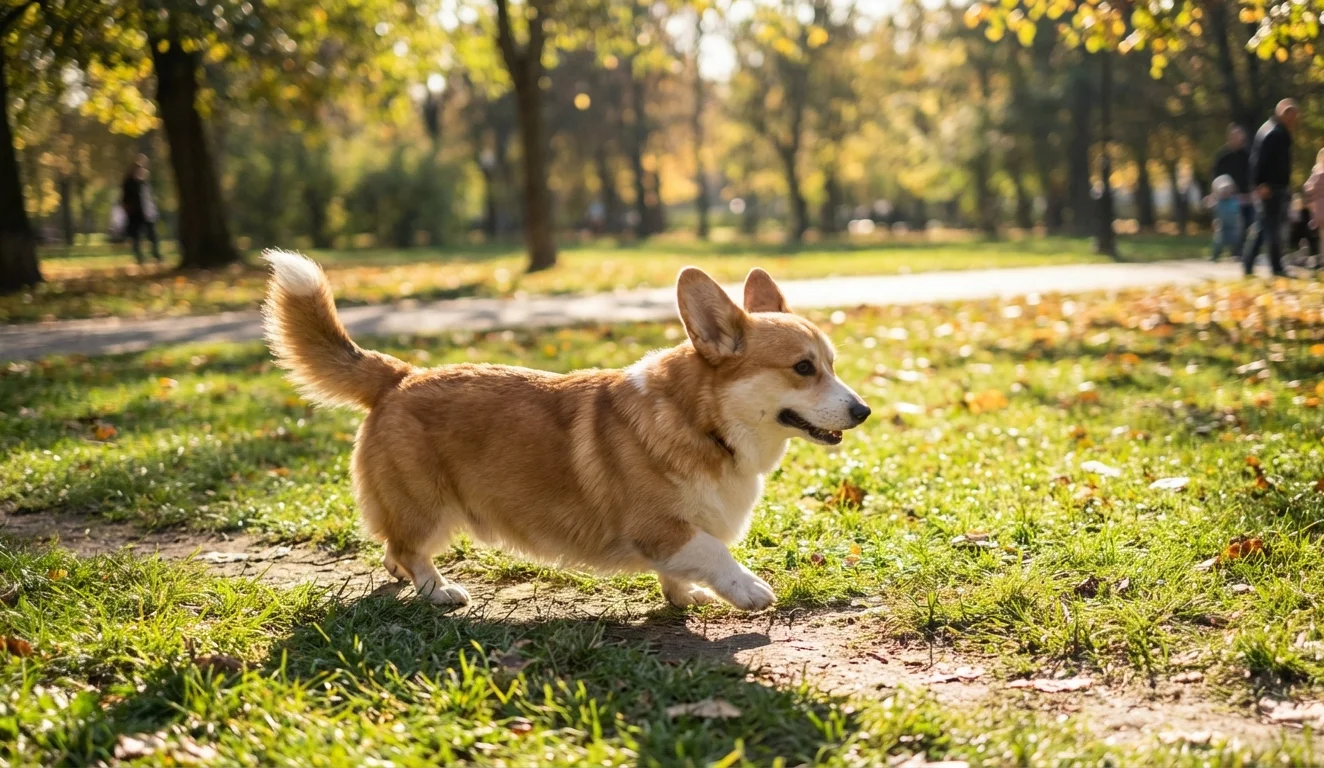
What catches people off guard about Corgis is that they’re not lapdogs. They’re herding dogs that happen to be short. A Corgi will try to herd your kids, your other pets, and your dinner guests if you let it. We think a lot of people fall in love with the Corgi aesthetic, the stumpy waddle, the big ears, the internet fame, and then are surprised when they bring home a dog that has actual opinions about how the household should be run.
Pembroke Welsh Corgi at a Glance
| Trait | Details |
|---|---|
| Breed Group | Herding (AKC) |
| Height | 10-12 inches |
| Weight | Males: 27-30 lbs / Females: 25-28 lbs |
| Life Expectancy | 12-15 years |
| Coat | Medium-length, dense double coat |
| Colors | Red, Sable, Fawn, Black & Tan, Tricolor |
| Temperament | Playful, Bold, Tenacious |
| Shedding | Very Heavy (year-round with seasonal blowouts) |
| Energy Level | High |
| Good With Kids | Yes |
| Apartment Friendly | Yes (with enough exercise) |
History of the Pembroke Welsh Corgi
The Pembroke Welsh Corgi has been herding cattle in Wales for over a thousand years. Seriously, the breed traces back to at least the 10th century, when Flemish weavers brought small herding dogs to Pembrokeshire, Wales. These dogs were crossed with local breeds and developed into the low-slung cattle drivers we know today.
The “low-slung” part is the whole point. Corgis were bred short so they could nip at the heels of cattle and duck under retaliatory kicks. That’s not just a cute physical quirk, it’s a functional design that kept the dogs alive in a dangerous job. The breed’s name likely comes from the Welsh words “cor” (dwarf) and “gi” (dog), which is about as literal as breed names get.
The Pembroke Welsh Corgi earned AKC recognition in 1934. Queen Elizabeth II famously owned more than 30 Pembrokes during her lifetime, which did wonders for the breed’s popularity worldwide. The royal association is sweet, but don’t let it fool you into thinking Corgis are dignified. They’re goofy little chaos agents who happen to have had excellent PR.
Size and Appearance
Pembroke Welsh Corgis are surprisingly dense for their size. Males typically weigh 27-30 pounds and females weigh 25-28 pounds, all packed into a frame that stands just 10-12 inches at the shoulder. Pick one up and you’ll be surprised by how solid they feel.
Build
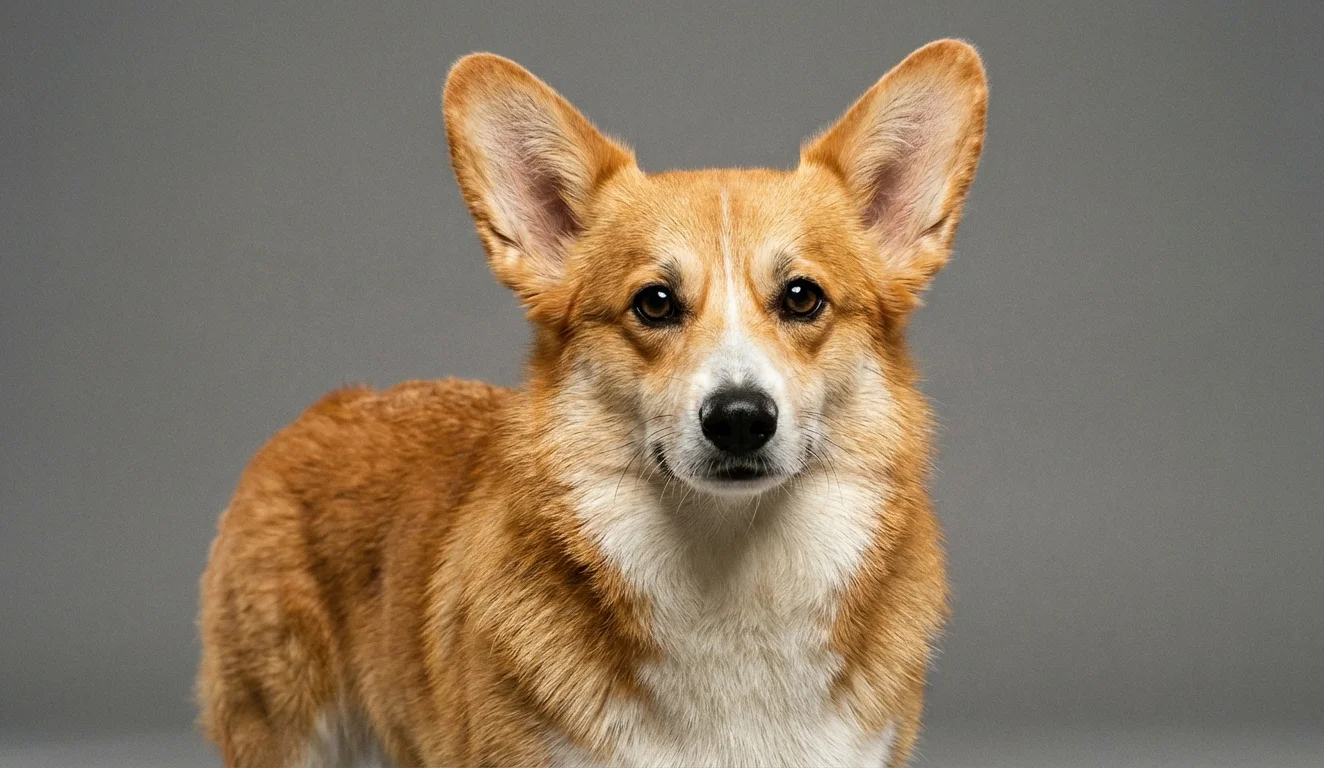
The Pembroke’s body is long relative to its height, with a deep chest, muscular thighs, and those famously short legs. The AKC standard calls for a body that is “moderately long and low set.” The breed carries more bone and muscle than you’d expect, which is part of what made them effective cattle herders, they needed the strength to work all day.
Coat and Colors
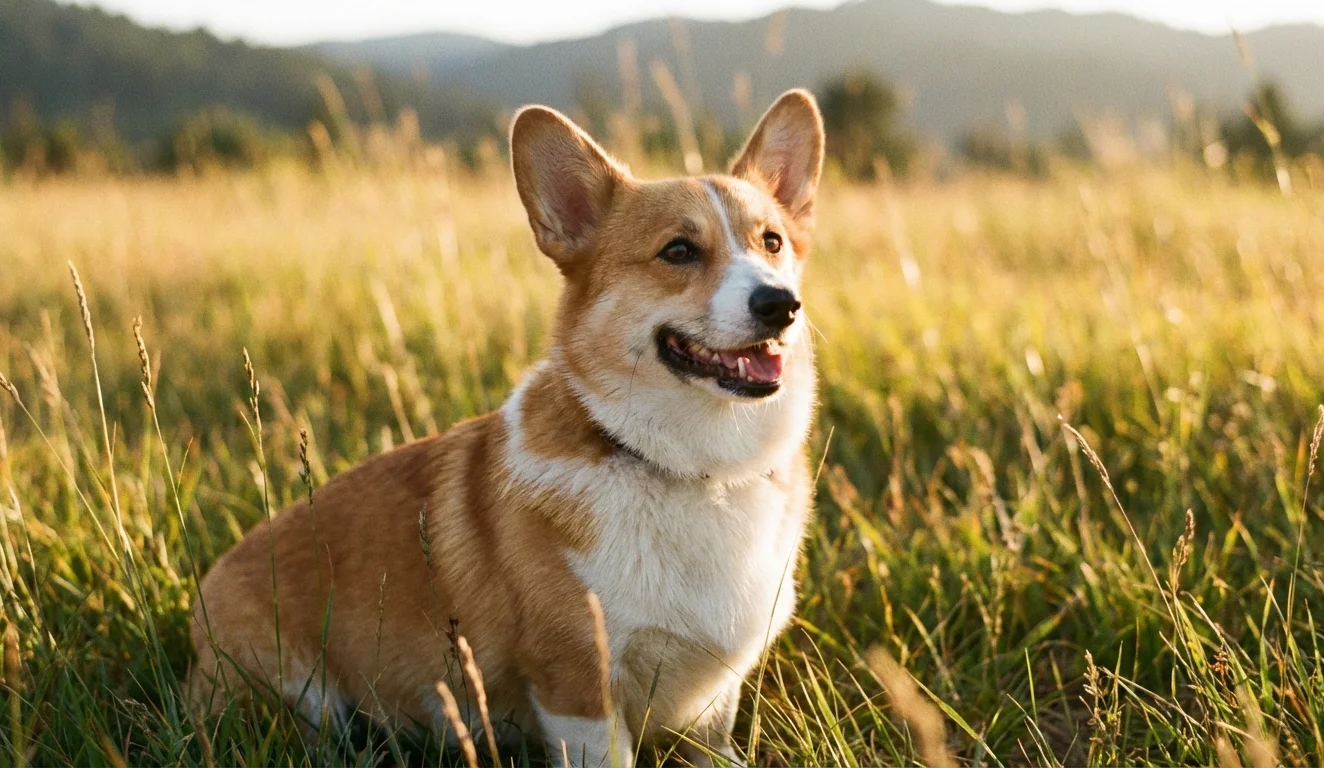
Pembrokes have a medium-length, dense double coat that’s weather-resistant. Standard colors include red (the most common), sable, fawn, black and tan, and tricolor. Most Pembrokes have white markings on the legs, chest, neck, and muzzle.
One key difference between Pembrokes and Cardigan Welsh Corgis: Pembrokes traditionally have docked tails (or are born with natural bobtails), while Cardigans have long tails. Tail docking is increasingly controversial and banned in many countries outside the US.
Pembroke Welsh Corgi Temperament
The AKC calls the Pembroke “bold and friendly.” We’d add “bossy” to that list. Corgis are herding dogs to their core, they have strong instincts to control movement, and they’ll apply those instincts to everything in your home.
What living with a Corgi actually looks like:
- They’re vocal. Corgis bark. At strangers, at sounds, at things that might be sounds, at their own reflection. Barking level is high, and you’ll need to work on this from puppyhood or your neighbors will have opinions.
- They nip. Herding breeds nip heels, it’s how they move cattle. Corgi puppies will try this on running children, joggers, and cats. This isn’t aggression, but it’s a behavior you absolutely must redirect early.
- They’re clever and stubborn. Corgis learn fast, but they also decide fast whether they feel like complying. They’re not defiant in the way a terrier is, they’re more like a coworker who heard your suggestion and decided to do it their own way.
- They bond deeply. Corgis attach strongly to their families and can develop separation anxiety if left alone for long stretches. They want to be in whatever room you’re in, preferably supervising.
Corgis do well with children, other dogs, and even cats, but that herding instinct means they might try to “manage” smaller household members. Socialization helps, but some herding behavior is simply hardwired.
Exercise Needs
Corgis need about 60 minutes of exercise per day, which surprises people who assume a 12-inch-tall dog doesn’t need much activity. Wrong. These are working dogs. They have stamina that belies their size.
Good exercise for Corgis:
- Brisk walks (they can cover more ground than you’d think with those short legs)
- Fetch in a fenced yard
- Herding trials or herding instinct tests, many Corgi owners discover their dogs light up when given actual livestock to work
- Puzzle toys and training games for mental stimulation
A bored Corgi will bark more, chew things, and generally make its displeasure known. They’re not subtle about it. If your Corgi is being destructive, the first question to ask is whether it’s getting enough exercise and mental engagement.
One note: because of their long backs and short legs, be careful with activities that involve a lot of jumping. Repeated jumping on and off furniture can stress the spine over time, and Corgis are already predisposed to back problems.
Grooming
Here’s where the Corgi’s cute factor comes with a price tag. That dense double coat sheds constantly, and twice a year it sheds in a way that will make you question your life choices. Corgi owners call the seasonal blowouts “the fluffening,” and it’s not an exaggeration, you will pull handfuls of undercoat off your dog.
Grooming schedule for Corgis:
- Brush 2-3 times per week minimum during normal shedding periods
- Daily brushing during spring and fall blowouts (2-3 weeks each)
- Bath every 4-6 weeks: don’t overdo it, as too-frequent bathing strips the coat’s natural oils
- Nail trims every 2-3 weeks: Corgis’ nails can grow fast
- Ear checks weekly: those big upright ears stay pretty clean, but check anyway
Professional grooming isn’t required for Corgis, but some owners opt for a deshedding treatment during blowout season ($40-$80 at most groomers). A good deshedding tool like the Furminator is worth the investment if you want to handle it at home.
If you have allergies or a strong opinion about dog hair, a Corgi is not your breed. Not even close.
Pembroke Welsh Corgi Health Issues
Corgis live 12-15 years, which is a solid lifespan. But that long body and short legs create some breed-specific health concerns you should know about.
Intervertebral Disc Disease (IVDD)
This is the big one for Corgis. Their long backs and short legs (a body type called chondrodysplastic) put extra stress on the spinal discs. IVDD occurs when a disc herniates or ruptures, pressing on the spinal cord. Symptoms range from mild pain to complete paralysis of the hind legs. Treatment can cost $3,000-$8,000 for surgery. Keeping your Corgi at a healthy weight and limiting high-impact jumping are the best preventive measures.
Degenerative Myelopathy (DM)
DM is a progressive neurological disease that affects the spinal cord, causing gradual loss of coordination and eventually paralysis in the hind legs. It typically appears in older Corgis (8+ years). A DNA test can identify carriers, the SOD1 gene mutation is well-documented in the breed. There’s no cure, but physical therapy can slow progression. Treatment costs range from $500-$2,000.
Hip Dysplasia
The OFA reports moderate prevalence of hip dysplasia in Pembroke Welsh Corgis. The condition causes the hip joint to develop abnormally, leading to arthritis and pain. Reputable breeders screen for this with OFA hip evaluations. Treatment ranges from $1,500-$6,000 depending on severity.
Progressive Retinal Atrophy (PRA)
PRA causes gradual vision loss and eventual blindness. DNA testing can identify carriers before breeding. Ask any breeder for PRA test results on both parents.
Von Willebrand Disease
A rare but documented bleeding disorder in the breed. A DNA test exists and responsible breeders screen for it.
Training a Pembroke Welsh Corgi
Corgis are highly trainable, when they want to be. They’re intelligent and learn commands quickly, but they’ve got an independent streak that can test your patience. This isn’t a dog that will blindly follow orders. A Corgi will assess whether your request makes sense to them before deciding to comply.
Training tips for Corgi owners:
- Use positive reinforcement. Corgis respond well to food rewards and will shut down with harsh corrections.
- Start bite inhibition and nip-redirection early. This is the single most important training priority for Corgi puppies.
- Work on “quiet” commands from day one. The barking will escalate if you don’t address it.
- Keep sessions short and varied. Corgis get bored with repetition faster than most breeds.
- Socialization between 8-16 weeks is critical, expose them to different people, dogs, sounds, and situations.
Corgis excel at dog sports, particularly agility (watching a Corgi weave through poles is genuinely delightful), herding trials, and rally obedience. Giving them a job channels that herding brain into something productive.
Pembroke Welsh Corgi Cost
Purchase Price
A Pembroke Welsh Corgi puppy from a reputable breeder costs $1,000-$2,500. Show-quality puppies or those from champion bloodlines can run $3,000+. The breed’s popularity (boosted significantly by internet culture and the Queen) has driven prices up over the past decade.
Corgi rescue organizations exist if you’d prefer to adopt. Expect to pay $200-$500 in adoption fees.
Monthly Costs
| Expense | Monthly Estimate |
|---|---|
| Food (high-quality kibble) | $30-$50 |
| Preventive vet care (averaged) | $15-$25 |
| Pet insurance | $25-$50 |
| Treats and chews | $10-$15 |
| Miscellaneous (toys, supplies) | $10-$20 |
| Total | $80-$150 |
First-Year Costs
Budget $2,500-$4,500 for the first year, including purchase price, puppy vaccinations, spay/neuter, supplies, and initial training classes. IVDD surgery (if needed later) can add $3,000-$8,000 to lifetime costs, which is a strong argument for pet insurance with this breed.
Is a Pembroke Welsh Corgi Right for You?
A Corgi is a great fit if you:
- Want a small dog with a big-dog personality and actual working-dog instincts
- Can handle (and ideally enjoy) a vocal dog
- Have time for 60 minutes of daily exercise and mental stimulation
- Don’t mind vacuuming more than you ever thought possible
- Want a dog that will make you laugh on a daily basis
- Are willing to put in early training work on nipping and barking
A Corgi is probably NOT right if you:
- Want a quiet, low-key companion
- Are bothered by shedding, Corgis shed more than dogs twice their size
- Have very young children and aren’t prepared to manage herding behavior (nipping at ankles)
- Travel frequently and would leave the dog alone for long hours
- Want a dog that follows commands without question, Corgis negotiate
The internet turned Corgis into a meme, and for good reason, they’re ridiculous in the best way. But behind the cute butt waddle is a serious herding dog with real energy needs and strong opinions. If you’re prepared for that, a Corgi will be one of the most entertaining dogs you’ll ever own.
Related Breeds
If you’re considering this breed, you might also want to look at:
Frequently Asked Questions
What’s the difference between a Pembroke Welsh Corgi and a Cardigan Welsh Corgi?
They’re actually two separate breeds, not just color variations. Cardigans are slightly larger (25-38 pounds vs. 25-30 for Pembrokes), have rounded ears instead of pointed, and have long tails. Pembrokes typically have docked tails or natural bobtails. Temperament-wise, Cardigans tend to be a bit more reserved with strangers while Pembrokes are generally more outgoing. Both are herding breeds with similar exercise and grooming needs. The breeds developed in different regions of Wales and have distinct genetic histories, they weren’t recognized as separate breeds by the AKC until 1934.
Do Pembroke Welsh Corgis bark a lot?
Yes. We’re not going to sugarcoat this one. Corgis are alert, opinionated dogs who were bred to bark while working livestock, and they carry that instinct into domestic life. They’ll bark at doorbells, passing dogs, unusual sounds, and sometimes just because they have something to say. You can reduce excessive barking through consistent training starting in puppyhood, teaching a “quiet” command and rewarding calm behavior, but you’ll never eliminate it entirely. If you live in an apartment with thin walls, this is a serious consideration.
Are Corgis good apartment dogs?
Corgis can do well in apartments, which might seem counterintuitive for a herding breed. Their small physical size is an advantage, and they’re adaptable. The catch is twofold: they need committed daily exercise (60 minutes minimum, even in bad weather) and they bark a lot. If you can meet the exercise needs and work on bark management, apartment living is fine. If you can’t guarantee daily outdoor time or your building has strict noise policies, it’s going to be a problem.
How much do Pembroke Welsh Corgis shed?
More than you think is possible from a dog this size. Corgis have a very dense double coat that sheds year-round, with two massive blowout periods in spring and fall where they shed their entire undercoat over 2-3 weeks. During blowouts, you’ll be brushing daily and still finding hair everywhere. A good deshedding tool and a quality vacuum are non-negotiable Corgi ownership expenses. We’d recommend the Furminator Medium Dog Deshedding Tool or the Hertzko Self-Cleaning Slicker Brush for regular maintenance.
Are Corgis good with kids?
Corgis are generally great with kids, they’re playful, sturdy for their size, and affectionate. The one major caveat is the herding instinct. Corgis may try to herd running children by nipping at their ankles. This isn’t aggression, it’s the same behavior they’d use on cattle, but it can scare or hurt young kids. Early training to redirect this behavior is a must if you have children. Most Corgi owners find that with consistent training, this diminishes significantly by the time the dog is 1-2 years old.