Chow Chow Breed Guide: The Fluffy Bear That Tolerates You (2026)
Chow Chows look like teddy bears and act like cats who happen to weigh 60 pounds. They'll love you deeply, on their terms, on their schedule.
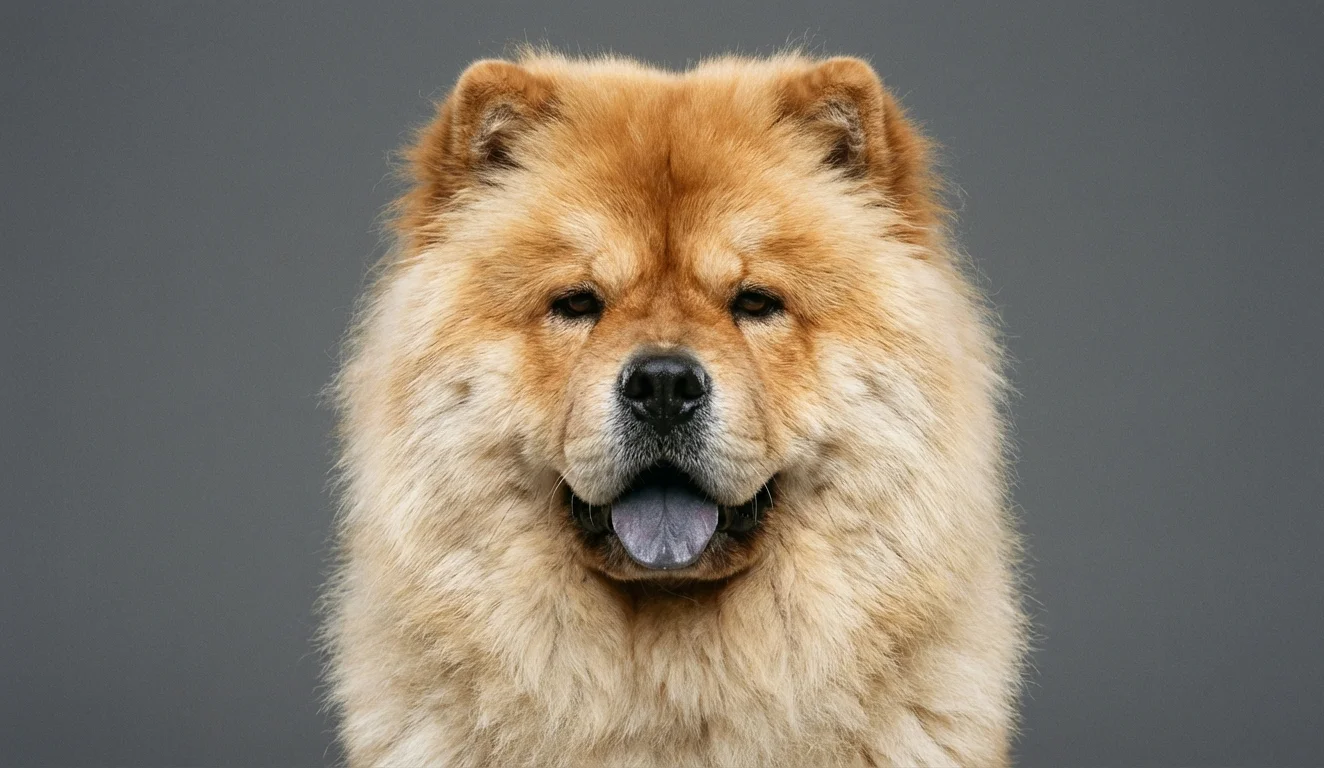
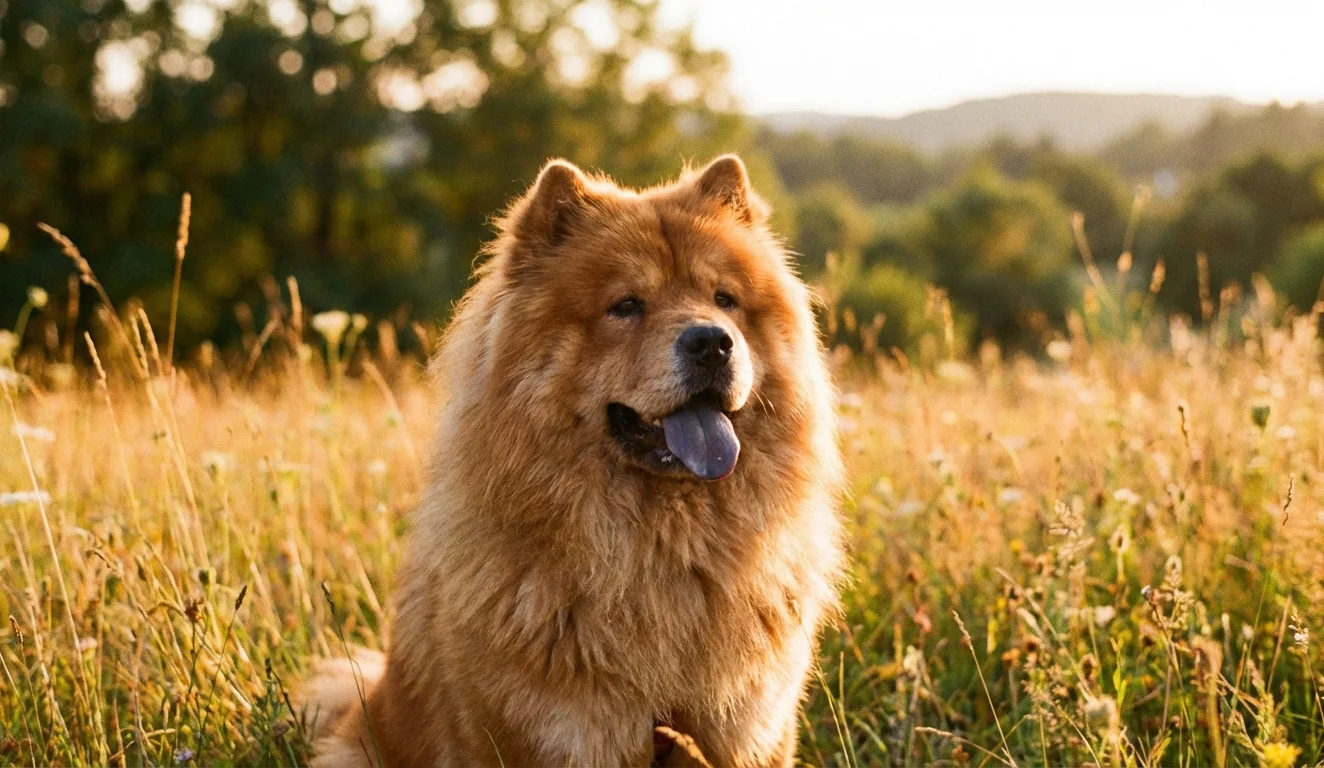
The Chow Chow stands 17-20 inches at the shoulder and weighs 45-70 pounds. They live 8-12 years. If someone designed a dog by combining a lion’s mane, a bear’s build, a cat’s personality, and a stubborn refusal to perform on command, you’d get the Chow Chow. They’re one of the most visually striking breeds on earth, that massive ruff of fur around the head, the blue-black tongue, the deep-set eyes that somehow convey both dignity and mild annoyance. And their temperament matches the look: aloof, proud, fiercely loyal to their inner circle, and profoundly indifferent to everyone else’s opinion.
In Short: 45–70 lbs, 8–12 years. Low energy. Heavy shedding. Watch for Hip Dysplasia and Entropion. Best for experienced owners who want a dignified, independent, low-activity companion and aren’t bothered by a dog that shows affection on its own terms.
The Chow Chow is not a people-pleasing breed. If you grew up with Golden Retrievers and expect every dog to greet you with a wagging tail and a toy in its mouth, the Chow will confuse you. They love their family, genuinely and deeply, but they express it through quiet presence rather than enthusiastic displays. A Chow sitting near you while you read is showing the same level of devotion that a Lab shows by climbing into your lap and licking your face. It’s just… calmer. And drier.
Chow Chow at a Glance
| Trait | Details |
|---|---|
| Breed Group | Non-Sporting (AKC) |
| Height | 17-20 in |
| Weight | 45-70 lbs |
| Life Expectancy | 8-12 years |
| Coat | Rough (long, dense double coat) or Smooth (shorter double coat) |
| Colors | Red, Black, Blue, Cinnamon, Cream |
| Temperament | Dignified, Aloof, Loyal |
| Shedding | Heavy |
| Energy Level | Low |
| Good With Kids | Best with older, respectful children |
| AKC Recognition | 1903 |
History
The Chow Chow is one of the oldest identifiable dog breeds on the planet. Genetic studies published in Nature have placed the Chow among the breeds most closely related to the ancestral wolf lineage, with origins in northern China and Mongolia dating back at least 2,000-3,000 years. Some researchers believe Chow-type dogs have existed in China for much longer, possibly 8,000 years, based on pottery and sculptures from the Han Dynasty and earlier.
In China, the Chow was a versatile working dog: guardian, herder, sled puller, and, unfortunately by modern sensibilities, a source of fur and food. The breed’s Chinese name, Songshi Quan, translates to “puffy lion dog.” The English name “Chow Chow” likely comes from a pidgin English term used in the 18th century to describe miscellaneous cargo from China. British merchants brought the dogs back to England in the late 1700s, and Queen Victoria received one in 1865, boosting the breed’s popularity.
The AKC recognized the Chow Chow in 1903. The breed enjoyed waves of popularity in the West, notably in the 1980s when demand surged and overbreeding created temperament and health problems that reputable breeders have spent decades trying to correct. Today, the Chow ranks around 70th in AKC popularity, respected but not trendy, which is probably how the breed would want it.
Size and Appearance
Chow Chows are compact, powerfully built dogs with a distinctive square profile. Males stand 19-20 inches and weigh 55-70 pounds. Females are 17-19 inches and 45-60 pounds. They’re broader and more heavily boned than their height suggests, a 60-pound Chow feels heavier than a 60-pound Labrador because the weight is concentrated in a more compact frame.
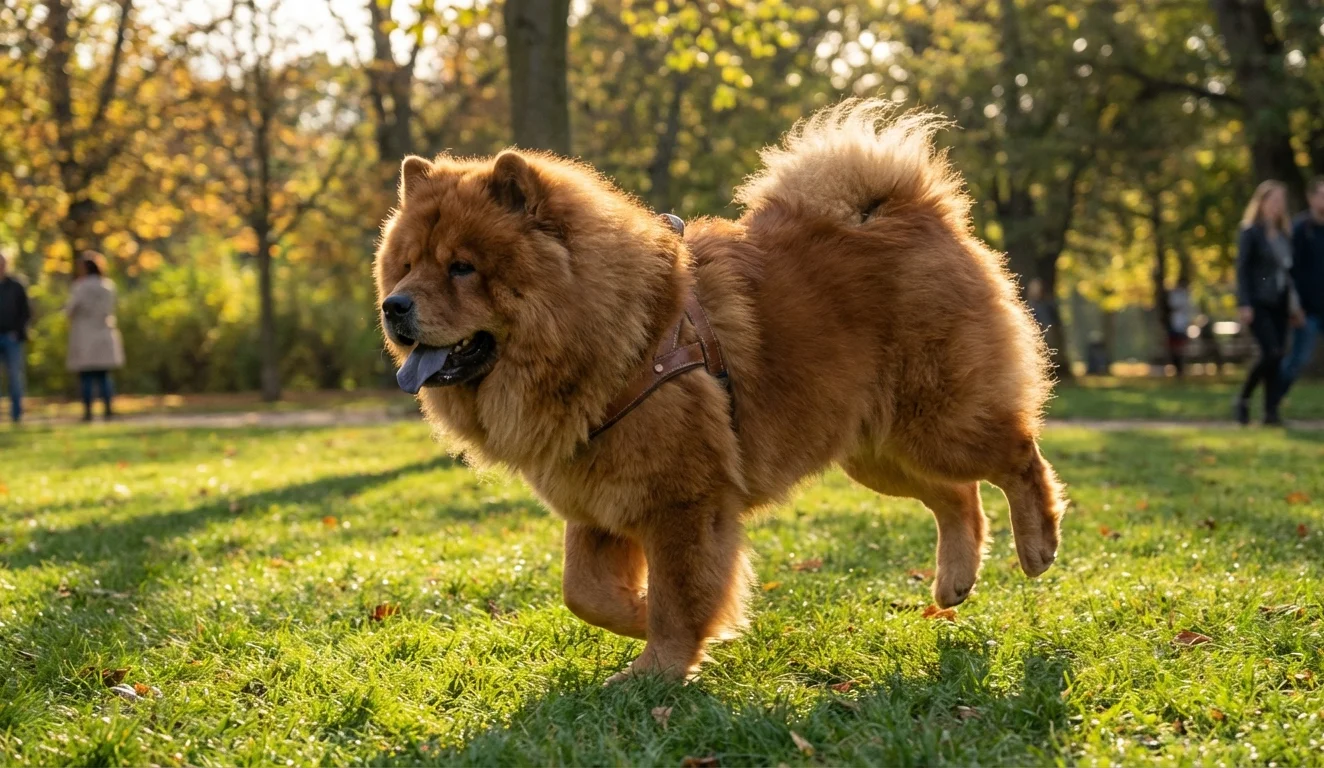
The most striking feature is the coat. Rough-coated Chows (the variety most people picture) have a dense, straight outer coat standing off the body and a thick, woolly undercoat. Around the head, the coat forms a massive ruff or mane that gives them their lion-like appearance. The tail is heavily plumed and carried over the back. Smooth-coated Chows have a shorter, denser coat without the dramatic ruff but are still very much double-coated and heavy shedders.
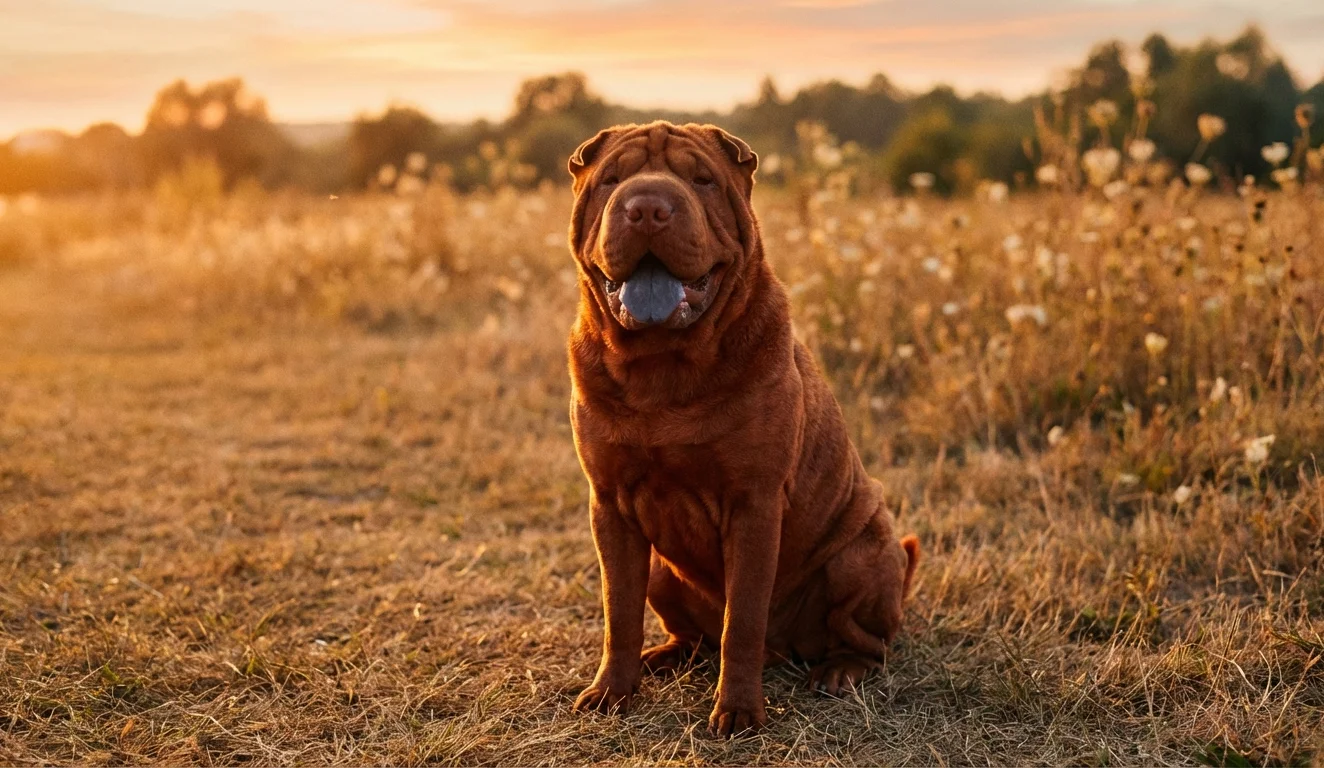
The blue-black tongue and gums are a hallmark of the breed (shared only with the Chinese Shar-Pei). Puppies are born with pink tongues that darken by 8-10 weeks. The deep-set, dark eyes give the face a somewhat scowling expression, which, given the breed’s temperament, is not entirely inaccurate. The hindlegs are notably straight (lacking the angulation of most breeds), which gives the Chow its characteristic stilted gait. They don’t so much walk as strut.
Chow Chow Temperament
The Chow Chow temperament is frequently compared to a cat’s, and it’s the most accurate single-word description available. They’re independent, clean, quiet, and bond with their chosen person (or people) while maintaining a cool distance from everyone else.
What living with a Chow Chow is actually like:
- They pick their person. Chows typically bond most strongly with one person in the household. They’ll be polite to everyone in the family but clearly favor one human. That person gets the Chow’s version of affection: leaning, following from room to room, and sitting nearby. It’s subtle. It’s meaningful.
- Strangers are suspects until cleared. Chows are naturally territorial and suspicious of unfamiliar people. They won’t charge the door barking (usually), but they’ll position themselves between you and the visitor and watch with quiet intensity. This makes them effective deterrents, most people aren’t eager to push past a 60-pound dog that’s staring at them without blinking.
- They’re quiet dogs. Chows bark less than most breeds. When they do bark, it’s purposeful, a stranger at the door, an unusual noise. They’re not recreational barkers, which makes them surprisingly good for apartments and close-quarter living situations.
- They don’t tolerate rough handling. Chows have a low threshold for being poked, pulled, climbed on, or handled roughly. This is why the breed isn’t recommended for families with toddlers or very young children. A Chow won’t necessarily bite, but it will remove itself from the situation, or give a clear warning that it’s had enough.
- They’re clean. Like, weirdly clean. Chows groom themselves, avoid dirty areas, and housetrain almost effortlessly. Many Chow owners report that their dogs were essentially housetrained by 10-12 weeks, among the fastest of any breed.
Exercise Needs
Chow Chows need about 30-40 minutes of exercise per day, and they prefer it at a leisurely pace. Two moderate walks is the sweet spot. They’re not retrievers, don’t expect them to play fetch for an hour. They’re not herding dogs, they won’t run agility courses with enthusiasm. They’ll walk with you, observe the neighborhood with a dignified air, and then return home to lie in their favorite spot.
Heat intolerance is a major concern. That massive double coat, combined with the brachycephalic facial structure, means Chows overheat quickly. In warm weather (above 75-80°F), limit exercise to early morning and late evening. Watch for excessive panting, drooling, or reluctance to move, these signal heat stress. Some Chow owners keep their dogs in air-conditioned spaces during summer and use cooling mats.
Despite their low-energy reputation, Chows that don’t get adequate mental stimulation and daily walks can develop behavioral problems, typically stubbornness, territorial aggression, or destructiveness. A bored Chow isn’t a raging tornado like a bored Border Collie, but it can become increasingly difficult and withdrawn.
Grooming
This is the Chow Chow’s high-maintenance department. The breed’s coat is magnificent and demanding.
- Brushing 3-4 times per week minimum: use a slicker brush and an undercoat rake. Rough coats mat quickly, especially behind the ears, in the “armpits,” and around the ruff. Mats can cause skin irritation and infections
- During seasonal coat blows (spring and fall), daily brushing: Chows shed their undercoat in massive quantities twice a year. Expect tumbleweed-sized clumps of fur for 2-4 weeks
- Professional grooming every 6-8 weeks recommended, a professional can do a thorough undercoat removal and trim that’s difficult to replicate at home. Budget $80-$150 per session
- Bath every 4-6 weeks: use a high-quality dog shampoo and conditioner, and blow-dry thoroughly. A wet Chow undercoat that isn’t fully dried can develop hot spots and fungal infections within hours
- Nail trims every 2-3 weeks
- Dental care 3-4 times per week
If you’re not prepared to invest significant time in grooming (or significant money in professional grooming), the Chow Chow is the wrong breed. There’s no low-maintenance version of this coat. Even smooth-coated Chows, while less demanding than rough coats, still require regular brushing and shed heavily.
Chow Chow Health Issues
Chows have a shorter-than-average lifespan (8-12 years) and are predisposed to several significant health conditions. The breed’s popularity boom in the 1980s led to widespread irresponsible breeding that amplified genetic problems, and while reputable breeders have made progress through health testing, the legacy persists.
Hip Dysplasia
The OFA reports that approximately 19% of Chow Chows evaluated have hip dysplasia, one of the highest rates among all breeds. The breed’s straight hindleg conformation may contribute to the problem. Symptoms include stiffness, reluctance to climb stairs, and difficulty rising from a lying position. Treatment ranges from weight management and joint supplements ($40-$80/month) to total hip replacement ($5,000-$7,000 per hip). All breeding stock should be OFA or PennHIP evaluated.
Entropion
Like the Shar-Pei, Chow Chows have high rates of entropion, the eyelid rolling inward and causing the lashes to scrape against the cornea. The deep-set eyes and heavy facial skin predispose the breed to this condition. Surgical correction costs $1,500-$3,000 per eye and is usually curative, though some dogs need repeat procedures. Left untreated, entropion causes chronic pain and can lead to corneal scarring and vision loss.
Autoimmune Conditions
Chows are predisposed to several autoimmune disorders, including pemphigus (a blistering skin condition), autoimmune thyroiditis, and uveodermatologic syndrome (which affects both skin and eyes). Autoimmune conditions typically require lifelong medication, immunosuppressive drugs cost $50-$200/month depending on the specific condition and medications used. A veterinary dermatologist or internal medicine specialist is often needed for management.
Elbow Dysplasia
The OFA lists Chow Chows among the breeds with elevated elbow dysplasia rates. Like hip dysplasia, this involves abnormal development of the elbow joint, causing lameness and pain. Treatment options mirror those for hip dysplasia: conservative management with anti-inflammatories and weight control, or surgical intervention ($2,000-$5,000 per elbow).
Gastric Cancer
Studies published in the Journal of Veterinary Internal Medicine have identified Chow Chows as having a higher-than-average incidence of gastric (stomach) cancer, particularly gastric carcinoma. Symptoms are often vague, weight loss, decreased appetite, vomiting, and diagnosis frequently comes at an advanced stage. Treatment (when possible) involves surgery and chemotherapy ($5,000-$15,000), but prognosis is generally guarded.
Training
Training a Chow Chow is an exercise in mutual respect. They don’t perform tricks for your amusement. They don’t fetch. They don’t come running because you called their name in an enthusiastic voice. What they will do is learn household rules, walk politely on leash, and respond to basic commands, if you’ve established a relationship built on consistency and respect.
Positive reinforcement with food rewards works best, but even food-motivated Chows aren’t the tireless performers that Labs and Goldens are. They’ll do a few repetitions, collect their treats, and then give you a look that clearly communicates, “We’re done now.” Short training sessions (5-10 minutes) multiple times per day produce better results than longer sessions.
Socialization is the single most important thing you can do with a Chow Chow puppy. The breed’s natural wariness of strangers must be balanced with positive early exposure to many different people, environments, and situations. Undersocialized Chows can become fearful or aggressive, and an aggressive 60-pound dog with a powerful bite is a serious liability. Puppy kindergarten, controlled introductions to visitors, car rides, and exposure to different surfaces and sounds should begin immediately.
One non-negotiable: teach your Chow Chow to accept handling from day one. Veterinary exams, grooming, nail trims, and ear cleaning all require a dog that tolerates being touched everywhere. Chows that weren’t handled as puppies can become dangerous to groom and examine as adults. Practice touching paws, ears, mouth, and tail daily, with lots of treats, starting the first day home.
Cost
Purchase Price
A Chow Chow puppy from a reputable breeder costs $1,500-$4,000. Show-quality puppies from champion lines can exceed $5,000. Given the breed’s health vulnerabilities, buying from a breeder who tests for hip dysplasia, elbow dysplasia, eye conditions, and thyroid function is non-negotiable. The Chow Chow Club, Inc. (the AKC parent club) maintains a breeder referral list.
Monthly Costs
| Expense | Monthly Estimate |
|---|---|
| Food (medium breed, high-quality) | $50-$80 |
| Preventive vet care (averaged) | $25-$50 |
| Pet insurance | $40-$70 |
| Professional grooming (averaged) | $25-$50 |
| Grooming supplies | $10-$20 |
| Treats and chews | $15-$25 |
| Miscellaneous | $10-$20 |
| Total | $175-$315 |
First-Year Costs
Beyond the purchase price, first-year costs run $2,500-$4,500. This includes vaccinations, spay/neuter, a heavy-duty crate (Chows are surprisingly strong), professional grooming tools (slicker brush, undercoat rake, blow dryer), initial vet exams, microchipping, and what will likely be an impressive collection of lint rollers. If entropion surgery is needed in the first year, add $1,500-$3,000.
Is a Chow Chow Right for You?
A Chow Chow could be a great fit if you:
- Want a calm, quiet, dignified companion
- Appreciate a dog that’s loyal without being clingy
- Have experience with independent or guardian breeds
- Are committed to regular grooming (or paying for professional grooming)
- Want a natural watchdog that doesn’t bark excessively
- Have older children who understand how to respect a dog’s boundaries
- Live in a cooler climate or have reliable air conditioning
A Chow Chow is probably not right if you:
- Are a first-time dog owner
- Have toddlers or very young children
- Want an enthusiastic, people-loving dog
- Hate grooming or don’t want to deal with heavy shedding
- Live in a hot climate without air conditioning
- Want a dog-park-friendly, play-with-everyone breed
- Expect your dog to perform tricks or show off for guests
The Chow Chow is a connoisseur’s breed. It’s for people who find the independent, cat-like temperament appealing rather than frustrating, who appreciate that a dog sitting quietly at your feet, choosing to be near you when it could be anywhere else, is saying something profound. They’re not easy. They’re not for beginners. But for the right owner, a Chow Chow’s quiet, dignified devotion is unlike anything else in the dog world. Just own a good vacuum cleaner.
Related Breeds
If you’re considering this breed, you might also want to look at:
Frequently Asked Questions
Why do Chow Chows have blue-black tongues?
The blue-black pigmentation is caused by high concentrations of melanin cells in the tongue tissue. It’s a trait shared only with the Chinese Shar-Pei (among common breeds), suggesting shared ancestry. Chow puppies are born with pink tongues that begin darkening around 8-10 weeks. A Chow with a pink or spotted tongue as an adult may be a mixed breed or have a tongue pigmentation anomaly. The trait is harmless and purely cosmetic.
Are Chow Chows aggressive?
Chows are protective and territorial, not inherently aggressive. The distinction matters. A well-bred, well-socialized Chow Chow should be reserved with strangers but not threatening. The breed got a reputation for aggression during the 1980s popularity boom, when mass breeding produced dogs with poor temperaments. Reputable breeders have worked hard to select for stable temperaments. But an undersocialized or poorly bred Chow can be genuinely dangerous, they have a strong bite and don’t back down easily. Socialization, responsible breeding, and experienced ownership are the keys.
Can Chow Chows live in hot climates?
With accommodations, yes. But it requires commitment. Air conditioning is mandatory, not optional. Exercise must be restricted to the coolest parts of the day. Some owners clip the coat shorter in summer (though this is controversial, clipping a double coat can damage the texture and doesn’t always help with cooling, since the coat also provides insulation from heat). A better approach is keeping the undercoat thoroughly groomed out, providing constant access to shade and water, and using cooling mats. Chows in places like Texas, Florida, or Arizona are indoor dogs from May through September.
How much grooming does a Chow Chow really need?
Plan on 30-45 minutes of brushing 3-4 times per week for a rough-coated Chow, plus daily sessions during the twice-yearly coat blow. Professional grooming every 6-8 weeks is recommended. If you skip grooming, the undercoat mats, the mats trap moisture, and the moisture causes skin infections, which means vet bills on top of grooming bills. Smooth-coated Chows need less brushing (2-3 times weekly) but still shed heavily and still need regular undercoat maintenance.
Do Chow Chows get along with other dogs?
Variable. Some Chows coexist peacefully with other dogs, especially if raised together. Others are dog-selective, particularly with same-sex dogs. The breed’s territorial nature means they may not appreciate unfamiliar dogs entering their space. Dog parks are generally not recommended. If you want a multi-dog household with a Chow, opposite-sex pairings tend to work best, and introductions should be gradual and carefully managed.