Chinese Shar-Pei Breed Guide: The Wrinkly Skeptic Who Doesn't Need Your Approval (2026)
The Chinese Shar-Pei looks like a dog wearing a suit two sizes too big and acts like it's judging everything you do. It probably is.
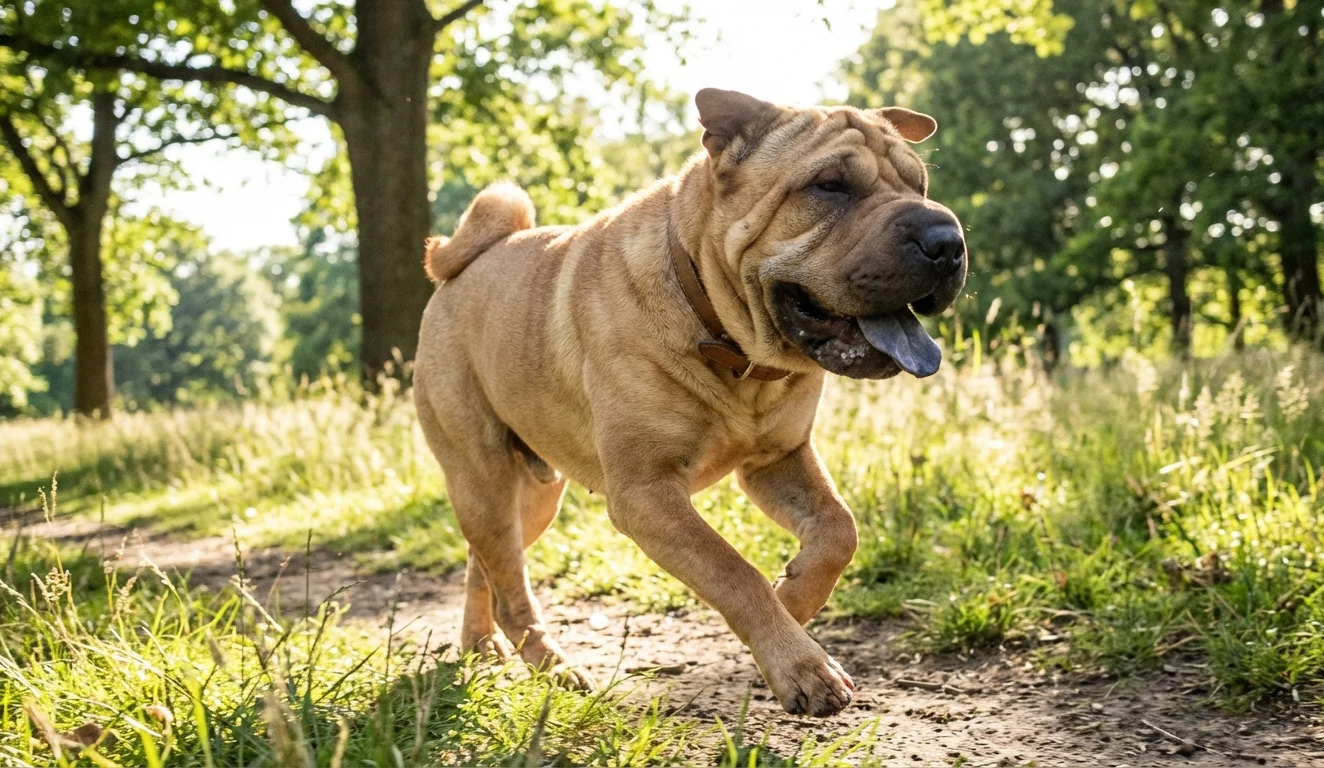
The Chinese Shar-Pei stands 18-20 inches at the shoulder and weighs 45-60 pounds. They live 8-12 years. You know how some dogs look at you with unconditional adoration and a wagging tail? The Shar-Pei is not that dog. This is a breed that looks at you with a slightly furrowed brow (it’s always furrowed, they’re covered in wrinkles), decides whether you’ve earned its respect, and then either accepts you into its inner circle or politely ignores you for the rest of time. They’re loyal, dignified, and independent in a way that makes you feel like you’re living with a very discerning roommate rather than a pet.
In Short: 45–60 lbs, 8–12 years. Moderate energy. Low shedding but high skin maintenance. Watch for Shar-Pei Fever and Entropion. Best for experienced owners who want a loyal, independent, low-exercise companion and don’t need their dog to love strangers.
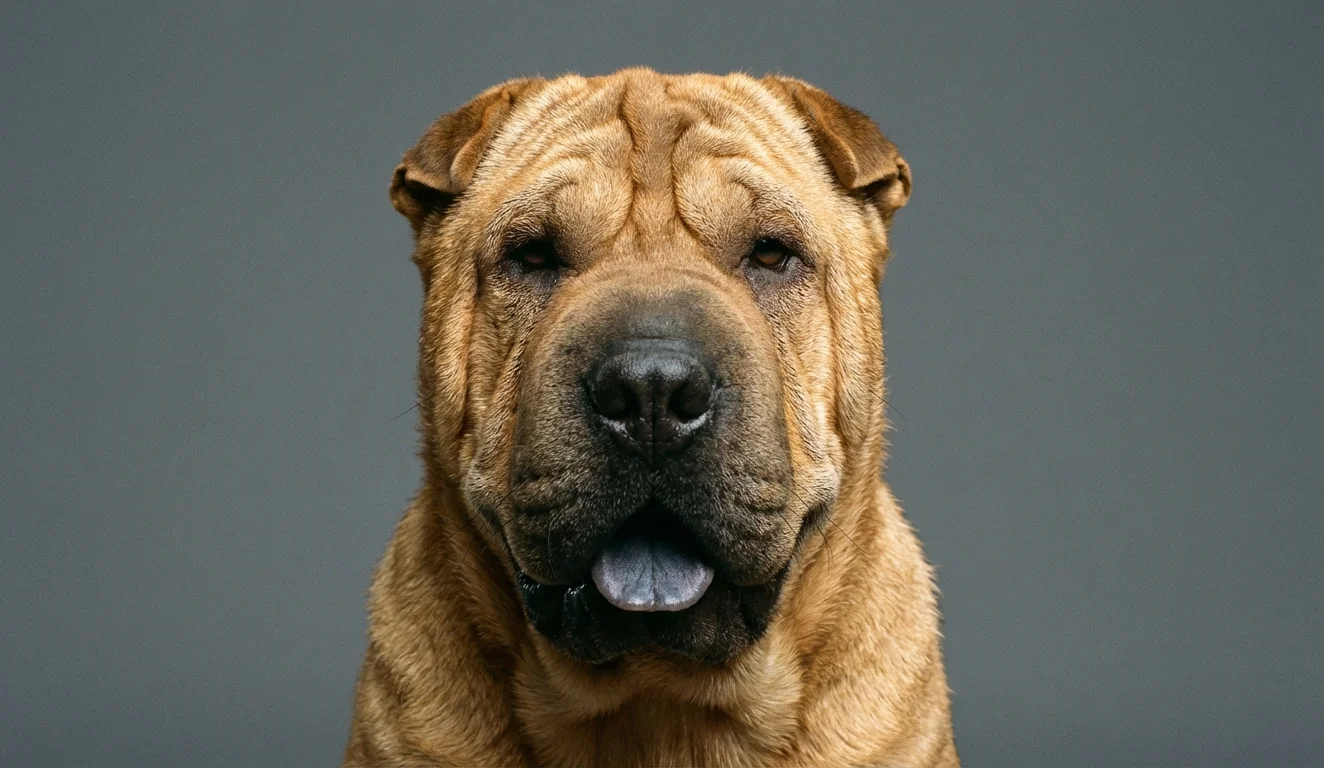
Let’s address the wrinkles immediately, because they’re the first thing everyone notices. Shar-Pei puppies are spectacularly wrinkled, folds upon folds of loose skin that make them look like they haven’t grown into their clothes yet. Adults retain wrinkles on the head, neck, and shoulders, though they “tighten up” considerably from their puppy phase. Those wrinkles aren’t just adorable, they served a historical purpose (fighting) and now serve a medical purpose (giving your veterinarian job security, because wrinkle-related skin conditions are the price of admission for this breed).
Chinese Shar-Pei at a Glance
| Trait | Details |
|---|---|
| Breed Group | Non-Sporting (AKC) |
| Height | 18-20 in |
| Weight | 45-60 lbs |
| Life Expectancy | 8-12 years |
| Coat | Short, bristly (horse coat) or slightly longer (brush coat) |
| Colors | Solid colors, fawn, red, cream, black, blue, chocolate, lilac, apricot |
| Temperament | Loyal, Independent, Calm |
| Shedding | Low |
| Energy Level | Moderate |
| Good With Kids | Best with older children |
| AKC Recognition | 1992 |
History
The Shar-Pei is one of the world’s oldest dog breeds. DNA analysis places it among the most ancient breeds, with origins in southern China dating back approximately 2,000 years. Statues resembling Shar-Pei have been found from the Han Dynasty (200 BC). The breed was originally a working farm dog in the Guangdong province, used for herding, guarding, and, unfortunately, fighting.
The fighting connection explains the wrinkles. All that loose skin meant that if another dog grabbed a Shar-Pei, the Shar-Pei could still twist around and bite back. The bristly “sandpaper” coat (Shar-Pei literally translates to “sand skin” in Cantonese) was unpleasant to grip. These are fighting features engineered over centuries, though modern Shar-Pei are far removed from their pit-fighting ancestors.
The breed nearly went extinct in the 20th century. When the People’s Republic of China imposed heavy taxes on dog ownership in the 1940s and later banned dogs as bourgeois luxuries during the Cultural Revolution, the Shar-Pei population in mainland China was decimated. In 1973, a Hong Kong breeder named Matgo Law published an appeal in Dogs Magazine, asking American breeders to help save the breed. The response was overwhelming. Americans fell in love with the wrinkly faces, and the Shar-Pei went from the Guinness Book of World Records’ rarest dog breed (around 60 known specimens in the early 1970s) to AKC recognition in 1992. That rapid population recovery from a tiny gene pool, however, created significant health challenges that persist today.
Size and Appearance
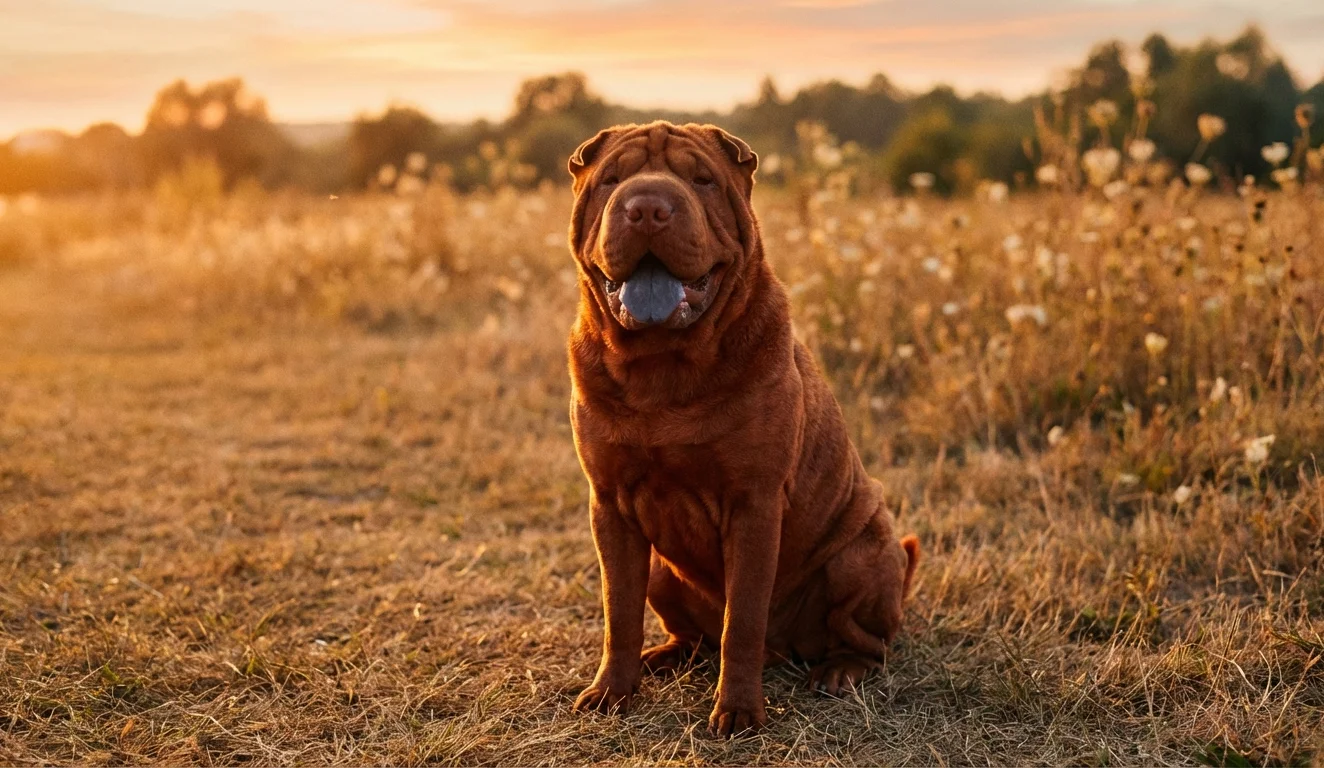
Shar-Pei are compact, medium-sized dogs with a distinctive square profile. They’re solidly built without being bulky, think sturdy rather than muscular. The head is large and slightly flat on top, with a broad muzzle (sometimes called a “hippopotamus” muzzle) and small, sunken eyes that give them a perpetually suspicious expression. The ears are tiny, triangular, and set high on the head, folded tight against the skull.
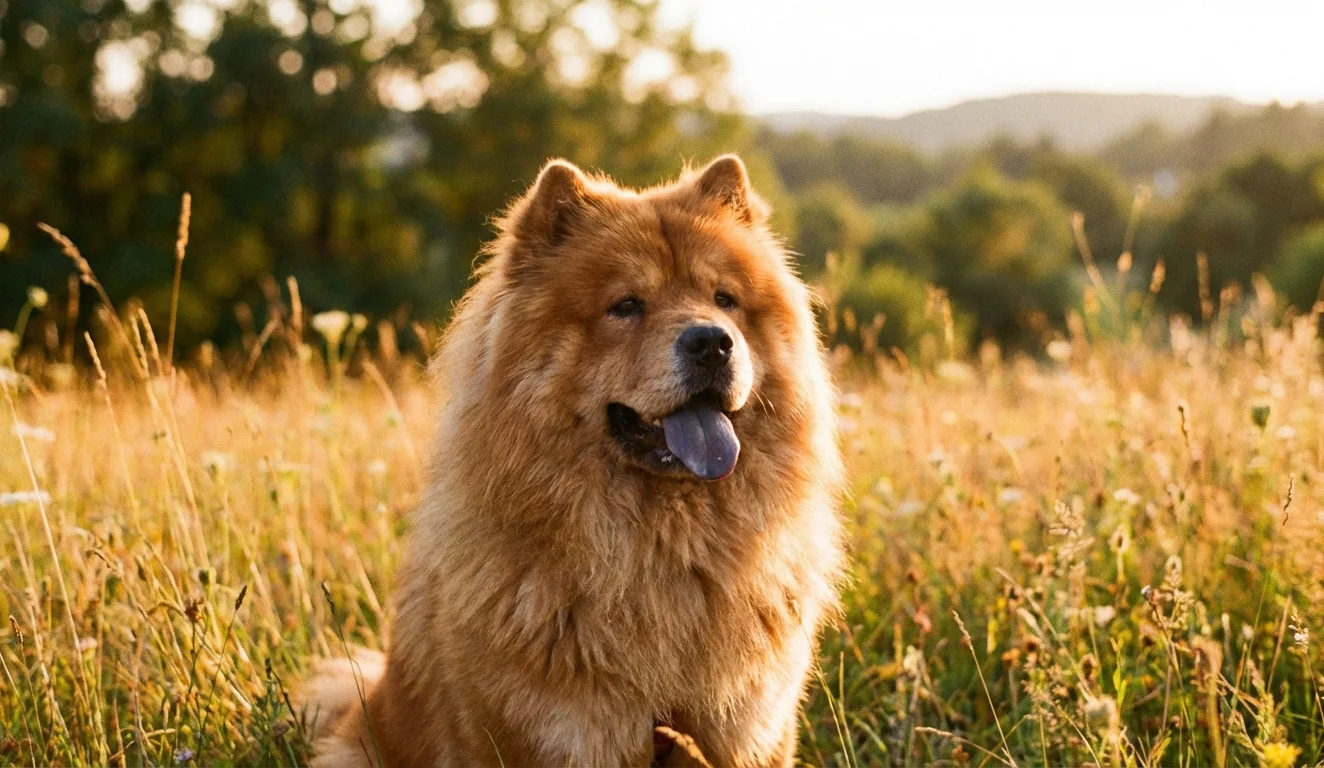
The wrinkles are concentrated on the head, neck, and shoulders in adults. Puppies are wrinkled everywhere, literally everywhere, and it’s as ridiculous and charming as it sounds. The tongue is blue-black, a trait shared only with the Chow Chow, which suggests a common ancestry.
There are two coat types. The “horse coat” is extremely short (less than 1/4 inch), rough, and bristly, it can actually irritate sensitive human skin. The “brush coat” is slightly longer (up to 1 inch) and softer. Both are single coats with no undercoat. A third variety, the “bear coat” (longer, fluffy fur), occurs occasionally but isn’t recognized by the AKC standard. The coat comes in solid colors only, no spots, patches, or brindle.
Chinese Shar-Pei Temperament
The Shar-Pei temperament is not for everyone, and that’s not a criticism, it’s a feature. This is a breed that was developed to guard property and make independent decisions. They bring that same energy to modern family life.
What living with a Shar-Pei is actually like:
- They’re loyal to their family and skeptical of everyone else. A Shar-Pei will bond deeply with its household and be genuinely affectionate (in its own reserved way) with its people. Strangers get the stare. Not a hostile stare, necessarily, but a measuring one. They take their time deciding if someone is trustworthy.
- They’re independent thinkers. Shar-Pei were bred to work without constant human direction. This translates to a dog that hears your command, considers it, and then decides whether it aligns with its own plans. This isn’t disobedience, it’s breed character. If you want a dog that hangs on your every word, a Shar-Pei will disappoint you.
- They’re calm indoors. Shar-Pei are not hyperactive dogs. They don’t bounce off walls or demand constant entertainment. They’re content to lie near you, watch what’s happening, and conserve energy for when it matters. This makes them good apartment dogs despite their medium size.
- They can be dog-aggressive. This is the breed’s fighting heritage showing through. Many Shar-Pei are selective about which dogs they tolerate, and same-sex aggression is particularly common. Early socialization helps but doesn’t guarantee a dog-park-friendly dog. Many Shar-Pei owners find that their dog does best as the only dog or in a carefully managed multi-dog household.
- They’re surprisingly clean. Shar-Pei are naturally tidy dogs. They housetrain easily, don’t enjoy getting dirty, and groom themselves with an almost cat-like fastidiousness. Many owners report that their Shar-Pei avoids puddles and mud.
Exercise Needs
Shar-Pei need about 30-45 minutes of exercise per day. A couple of moderate-paced walks and some indoor play is sufficient for most adults. They’re not a breed that craves intense physical activity, they’re more “let’s take a nice walk and then I’ll nap for four hours” than “let’s run five miles and then play fetch.”
Heat tolerance is a significant concern. Shar-Pei are brachycephalic (they have a shortened muzzle compared to many breeds), and combined with their thick skin, they overheat faster than longer-muzzled breeds. During summer months, exercise should be limited to early morning and evening. Watch for heavy panting, drooling, and reluctance to continue, these are heat stress warning signs.
Swimming is generally not a Shar-Pei activity. Most Shar-Pei aren’t fond of water, and their body type isn’t built for swimming. If your Shar-Pei does encounter water, supervise closely, they’re not natural swimmers and can tire quickly.
Grooming
Shar-Pei don’t need much coat grooming, but they need significant skin care. The wrinkles that make them distinctive also create warm, moist folds where bacteria and yeast love to set up shop.
- Weekly brushing with a rubber curry brush, the short coat doesn’t tangle or mat
- Wrinkle cleaning 2-3 times per week: use unscented baby wipes or a damp cloth to clean between skin folds, then dry thoroughly (moisture trapped in folds leads to infections)
- Bath every 4-6 weeks with a gentle, pH-balanced shampoo, harsh shampoos strip natural oils and worsen skin issues
- Ear cleaning weekly: the small, tight ears are prone to infections. Use a vet-recommended ear cleaner
- Nail trims every 2-3 weeks
- Dental care 3-4 times per week
The shedding situation depends on coat type. Horse coats shed minimally. Brush coats shed a bit more, with seasonal increases in spring and fall. Neither type requires professional grooming.
Chinese Shar-Pei Health Issues
This is where the conversation gets serious. Shar-Pei have more breed-specific health conditions than almost any other breed, largely due to the genetic bottleneck that occurred when the breed was rebuilt from a tiny population in the 1970s. A responsible breeder screening for known conditions is not optional with this breed, it’s a requirement.
Shar-Pei Fever (Familial Shar-Pei Fever)
This is the breed’s signature condition. Shar-Pei Fever causes episodic fevers (104-107°F) and swollen hocks (ankle joints). Episodes last 24-36 hours and can begin as early as 18 months. The underlying cause is an autoinflammatory condition related to excessive hyaluronic acid production, the same substance responsible for the wrinkles. The real danger isn’t the fever episodes themselves but the secondary complication: amyloidosis, where misfolded proteins (amyloid) deposit in organs, particularly the kidneys. Amyloidosis can lead to kidney failure and is a leading cause of early death in the breed. Treatment involves colchicine to reduce amyloid deposition ($30-$50/month) and management of fever episodes with NSAIDs. Kidney failure treatment, if it develops, costs $5,000-$15,000+ depending on progression.
Entropion
Shar-Pei have the highest incidence of entropion (inward-rolling eyelids) of any breed. The excess skin on the face causes the eyelids to fold inward, pushing eyelashes against the cornea. This causes pain, tearing, and corneal ulceration if untreated. Many Shar-Pei puppies need temporary eyelid tacking (sutures to hold the lids out) as babies, and a significant percentage need permanent surgical correction ($1,500-$3,000 per eye). Check any puppy’s eye status before purchase, and ask the breeder about the incidence in their lines.
Skin Conditions
Between the wrinkles, the unusual skin composition, and the breed’s elevated hyaluronic acid, Shar-Pei are prone to a laundry list of skin issues: mucinosis (excessive mucin deposits in the skin), demodectic mange, pyoderma (bacterial skin infections), and allergies. Treatment costs vary widely, a simple skin infection might run $100-$300, while chronic allergies requiring ongoing medication can cost $1,000-$3,000 per year. A veterinary dermatologist becomes a valuable contact for many Shar-Pei owners.
Hip Dysplasia
The OFA reports that approximately 16% of Shar-Pei evaluated have hip dysplasia, placing them in the moderate-risk category. Screening through OFA or PennHIP radiographs is recommended for breeding stock. Treatment ranges from weight management and anti-inflammatory medications ($50-$150/month) to total hip replacement ($5,000-$7,000 per hip).
Ear Infections
Those tiny, folded ears create a warm, poorly ventilated ear canal that’s a perfect environment for bacterial and yeast infections. Chronic ear infections are common. Weekly cleaning helps prevent them, but many Shar-Pei still need periodic veterinary treatment ($100-$300 per episode).
Training
Training a Shar-Pei requires patience, consistency, and a good sense of humor. They’re intelligent, that’s not the issue. The issue is that they’re intelligent enough to have their own opinions about what constitutes a reasonable request, and “sit” for the 47th time today doesn’t always make the cut.
Positive reinforcement works best. Shar-Pei respond to food rewards and calm praise but shut down under harsh corrections. They’re not soft in the way a Whippet is soft, they’re more likely to become defiant than fearful if treated harshly. Think of it as training a smart, stubborn teenager rather than an eager-to-please child.
Socialization is critical and should start the day you bring the puppy home. The breed’s natural wariness of strangers can calcify into fearful aggression if the dog isn’t exposed to a variety of people, places, and situations during the 8-16 week socialization window. Puppy classes are an excellent investment. Introduce your Shar-Pei to as many different people as possible in a positive, pressure-free way during the first four months.
Dog-to-dog socialization is particularly important. Given the breed’s tendency toward dog selectivity, early positive experiences with other dogs can make a meaningful difference. Even so, be realistic, some Shar-Pei will never be dog-park dogs, and forcing the issue creates more problems than it solves.
Cost
Purchase Price
A Chinese Shar-Pei puppy from a reputable breeder costs $1,500-$3,000. Given the breed’s extensive health issues, buying from a breeder who does thorough health testing (hips, eyes, patella, and ideally genetic screening for Shar-Pei Fever susceptibility) is worth every penny. A cheap Shar-Pei from an untested breeder can easily cost you $10,000+ in veterinary bills in the first few years.
Monthly Costs
| Expense | Monthly Estimate |
|---|---|
| Food (medium breed, high-quality) | $40-$70 |
| Preventive vet care (averaged) | $30-$60 |
| Pet insurance | $45-$80 |
| Skin care supplies | $15-$30 |
| Treats and chews | $15-$20 |
| Miscellaneous | $10-$20 |
| Total | $155-$280 |
Note: Pet insurance costs for Shar-Pei tend to run higher than average due to the breed’s known health conditions. Get insurance early (before any conditions develop) for the best coverage and rates.
First-Year Costs
Beyond the purchase price, first-year costs run $2,500-$5,000. This includes vaccinations, spay/neuter, potential entropion treatment (which may be needed in the first year), a crate, bedding, initial vet exams, microchipping, and a starter supply of skin care products. Budget on the higher end, Shar-Pei puppies are more likely to need early veterinary interventions than most breeds.
Is a Chinese Shar-Pei Right for You?
A Chinese Shar-Pei could be a great fit if you:
- Want a loyal, calm, low-energy companion
- Appreciate a dog with an independent personality
- Have experience with strong-willed or guardian breeds
- Are prepared for above-average veterinary costs
- Want a natural watchdog that doesn’t bark excessively
- Live in a moderate climate (not extremely hot)
- Don’t need your dog to be everyone’s best friend
A Chinese Shar-Pei is probably not right if you:
- Are a first-time dog owner (the combination of health issues and strong temperament is a steep learning curve)
- Want a dog that’s friendly with strangers and other dogs out of the box
- Aren’t financially prepared for significant veterinary expenses
- Want a high-energy exercise partner
- Have very young children (Shar-Pei don’t tolerate rough handling well)
- Live in a very hot climate (their brachycephalic tendencies and thick skin make them heat-sensitive)
- Want an easy, low-maintenance breed
The Shar-Pei isn’t a starter dog. It’s a breed for people who’ve done their homework, accepted the health realities, and decided that a dignified, wrinkly, independently-minded companion is exactly what they want. If that’s you, the reward is a dog that’s deeply devoted, impressively calm, and possessed of a quiet personality that grows on you in ways you don’t expect. Just budget for the vet bills and keep those wrinkles clean.
Related Breeds
If you’re considering this breed, you might also want to look at:
Frequently Asked Questions
Are Chinese Shar-Pei aggressive?
Shar-Pei are not inherently aggressive toward people, but they’re naturally protective and reserved with strangers. Dog aggression, particularly same-sex aggression, is more common in the breed due to their fighting heritage. Early socialization, responsible breeding (temperament should be a primary selection criterion), and proper training significantly reduce the risk of aggression. A well-bred, well-socialized Shar-Pei should be watchful but not threatening.
Why do Shar-Pei have blue-black tongues?
The blue-black tongue is a trait shared with the Chow Chow and is likely evidence of common ancestry. Both breeds originated in China and are among the most ancient dog breeds. The pigmentation is caused by high concentrations of melanin in the tongue tissue. It’s purely cosmetic and doesn’t affect health. Lavender-tongued Shar-Pei (dilute coloring) may have lighter tongue pigmentation.
How much do Shar-Pei vet bills cost compared to other breeds?
Significantly more. A 2022 analysis by pet insurance company Embrace found that Shar-Pei had average annual veterinary costs 40-60% higher than the all-breed average. The combination of skin conditions, Shar-Pei Fever, entropion, and ear infections means most Shar-Pei will need veterinary care beyond routine wellness visits. Pet insurance is strongly recommended, preferably purchased before any conditions manifest.
Do Shar-Pei shed?
Minimally. The short coat (whether horse or brush type) sheds less than most breeds. There’s no undercoat to blow seasonally. You’ll find some hair on furniture and clothing, but it’s nothing compared to double-coated breeds. Horse coats shed the least. Brush coats shed slightly more.
Can Shar-Pei live with other dogs?
Some can. Many can’t. The breed’s fighting heritage means dog selectivity is common, and same-sex pairs are particularly risky. Success is most likely when dogs are raised together from puppyhood or when the Shar-Pei is carefully introduced to a dog with a calm, non-confrontational temperament. Multi-dog households should always have a management plan, and the Shar-Pei should never be expected to happily integrate into a busy dog park or doggy daycare setting.