Akita Breed Guide: Loyalty This Intense Isn't for Everyone (2026)
The Akita is a 100-pound dog with the loyalty of a bodyguard and the stubbornness of a teenager. Here's what that actually means for your daily life.
The Akita is a large, powerful working dog that weighs 70-130 pounds, stands 24-28 inches tall, and lives 10-13 years. They were originally bred to hunt bears in the mountains of northern Japan. Bears. That should tell you something about the kind of dog you’re dealing with, this isn’t a golden retriever in a bigger body.
In Short: 70–130 lbs, 10–13 years. Moderate-to-high energy. Heavy shedder, expect fur everywhere. Watch for Hip Dysplasia. Best for experienced owners.
We’d describe the Akita as the most loyal dog breed that most people shouldn’t own. That sounds harsh, but it’s honest. Akitas bond deeply with their family and can be genuinely wonderful companions for the right person. But they’re territorial, they don’t naturally like other dogs, and they have an independent streak that will test your patience on a weekly basis. If you want a dog that lives to please you, get a Lab. If you want a dog that respects you, maybe, after you’ve earned it, the Akita might be your breed.
Akita at a Glance
| Trait | Details |
|---|---|
| Breed Group | Working (AKC) |
| Height | Males: 26-28 in / Females: 24-26 in |
| Weight | Males: 100-130 lbs / Females: 70-100 lbs |
| Life Expectancy | 10-13 years |
| Coat | Dense double coat with thick undercoat |
| Colors | White, Brindle, Pinto, Fawn, Red, Sesame |
| Temperament | Courageous, Dignified, Profoundly Loyal |
| Shedding | Very Heavy (massive seasonal blowouts) |
| Energy Level | Moderate-High |
| Good With Kids | Not recommended for young children |
| AKC Recognition | 1972 |
History
The Akita traces back to the mountainous Akita Prefecture in northern Japan, where they were developed as hunting dogs beginning in the 1600s. These dogs tracked and held at bay some of Japan’s most dangerous game, wild boar, elk, and the Yezo bear. They needed to be powerful enough to physically restrain large animals and brave enough to not back down.
The breed nearly went extinct during World War II when the Japanese government ordered all non-military dogs to be killed to conserve resources. A small group of dedicated breeders hid their Akitas in remote mountain areas or crossed them with German Shepherds to qualify as military dogs. After the war, American servicemen brought Akitas home to the US, and the breed diverged into two distinct lines: the Japanese Akita (Akita Inu) and the American Akita, which tends to be larger and heavier-boned.
The most famous Akita in history is Hachiko, a dog who waited at Tokyo’s Shibuya Station every day for nine years after his owner died. There’s a bronze statue of him at the station. The story says a lot about this breed, once an Akita decides you’re their person, that bond is unbreakable.
In Japan, the Akita holds a special cultural status. Small figurines of Akitas are traditionally given as gifts to new parents, symbolizing good health, and to people recovering from illness, symbolizing a speedy recovery. Helen Keller is credited with bringing the first Akita to the United States in 1937 after visiting Japan and being gifted a puppy named Kamikaze-go.
Size and Appearance
Akitas are big dogs. Male Akitas stand 26-28 inches at the shoulder and weigh 100-130 pounds. Females are slightly smaller at 24-26 inches and 70-100 pounds. They’re thick, muscular, and built like they could knock you over without trying. (They can. They sometimes do.)
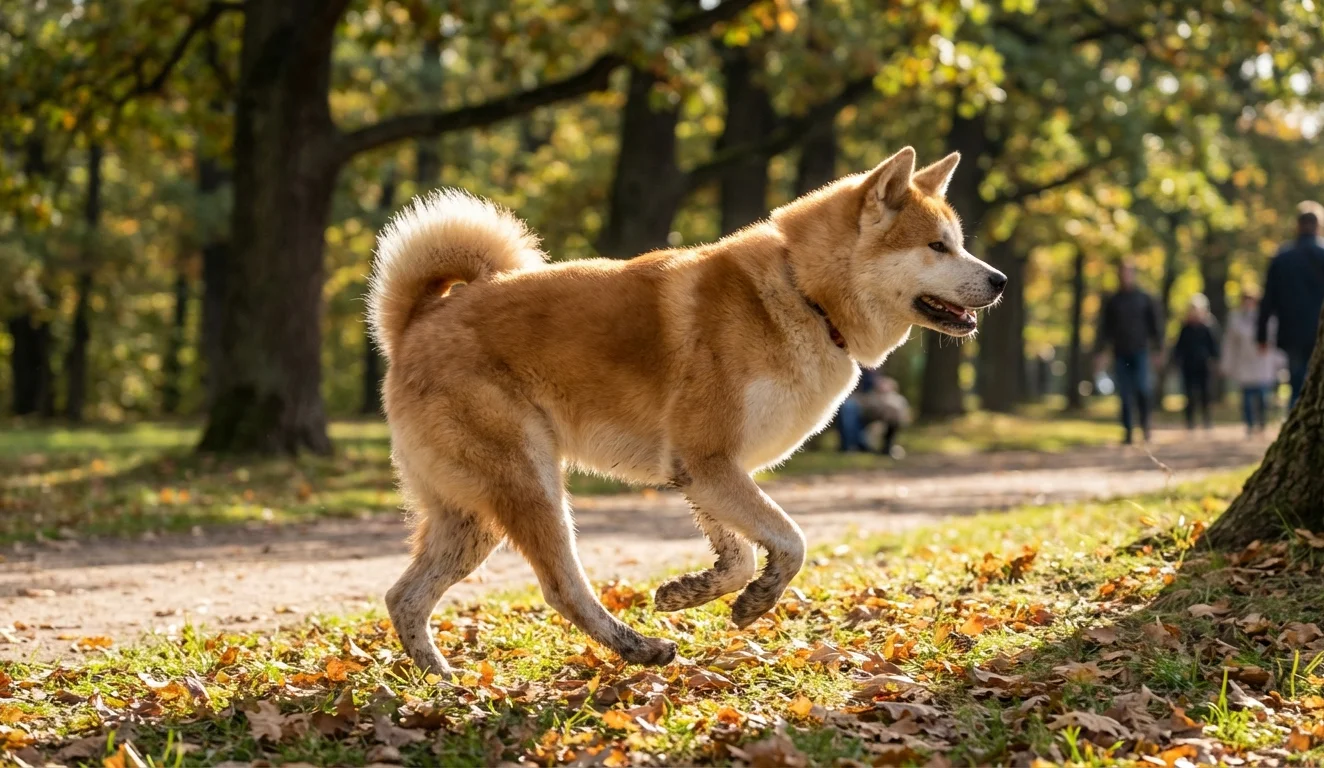
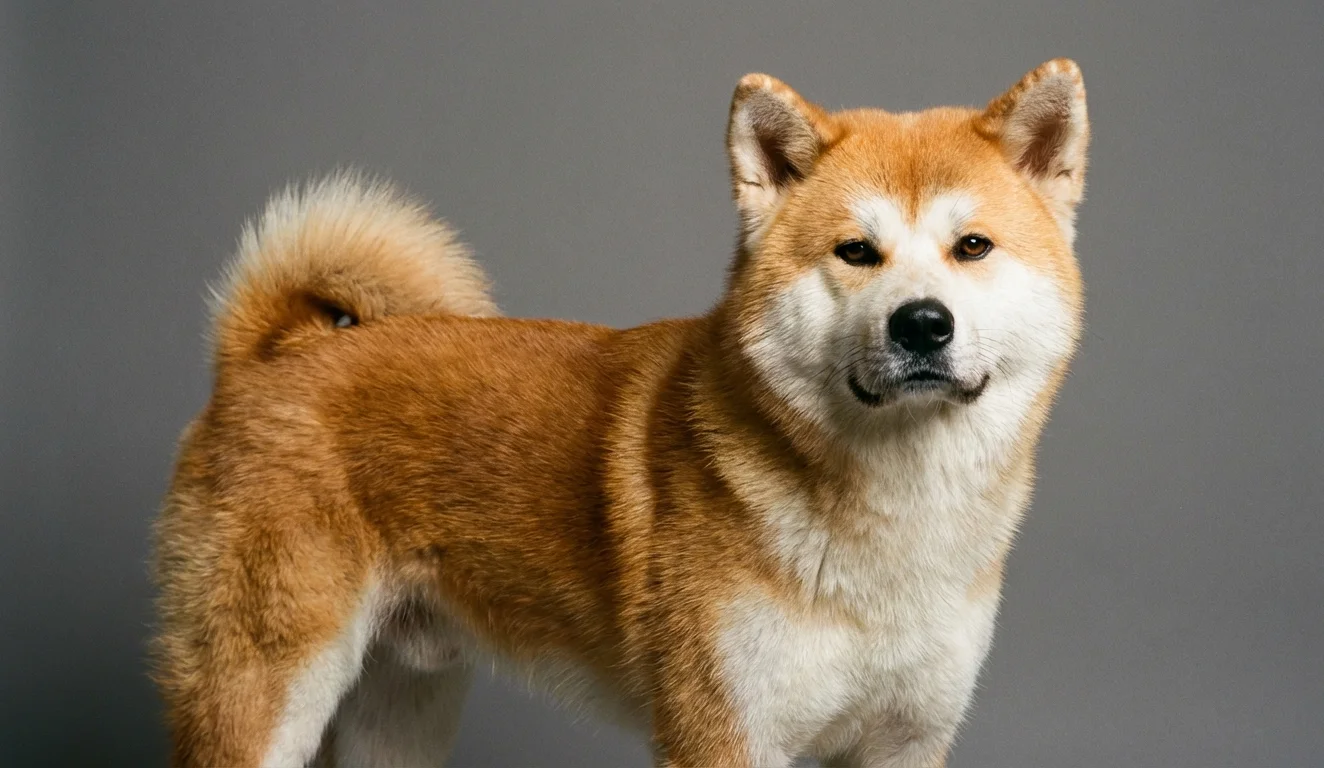
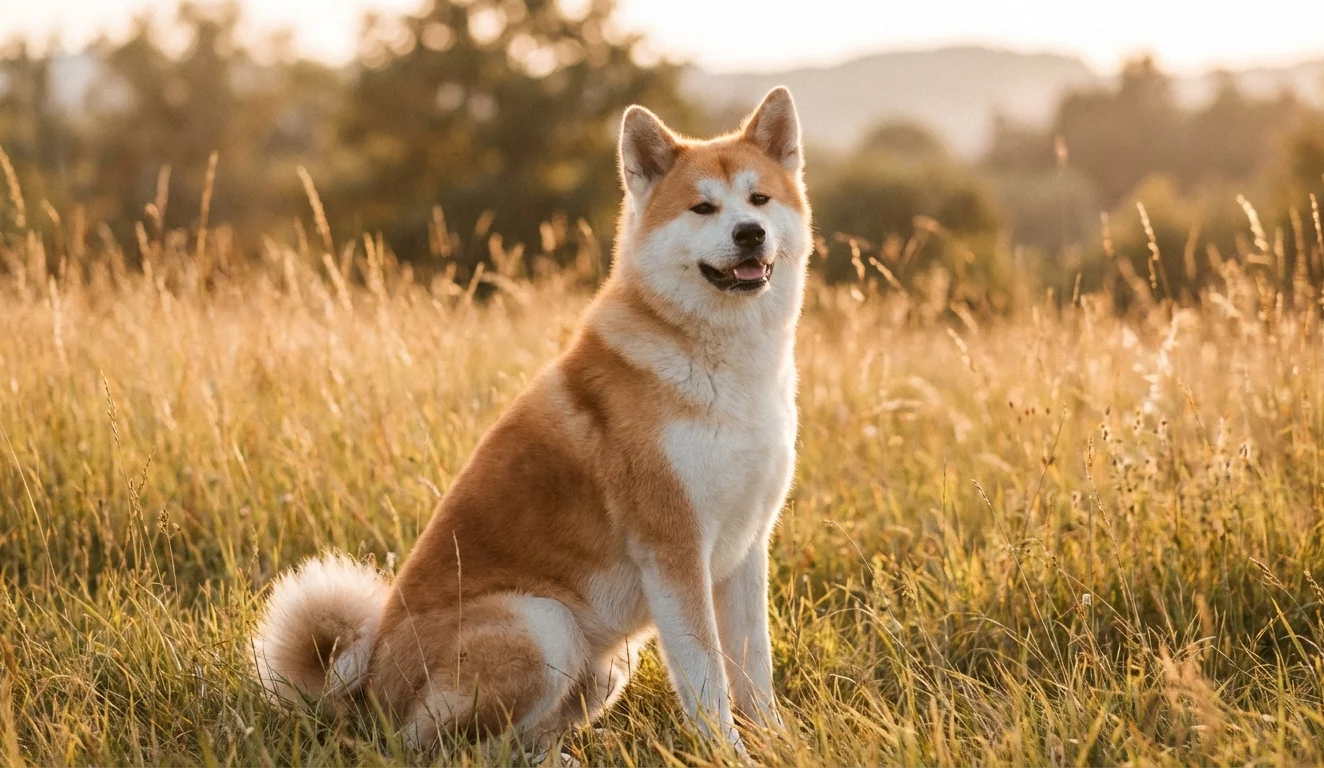
The Akita has a broad head, small triangular eyes, and erect ears that give them a bear-like appearance. Their tail curls over the back in a distinctive plume, it’s one of the breed’s most recognizable features. The overall impression is one of power and alertness. Akitas always look like they’re watching something.
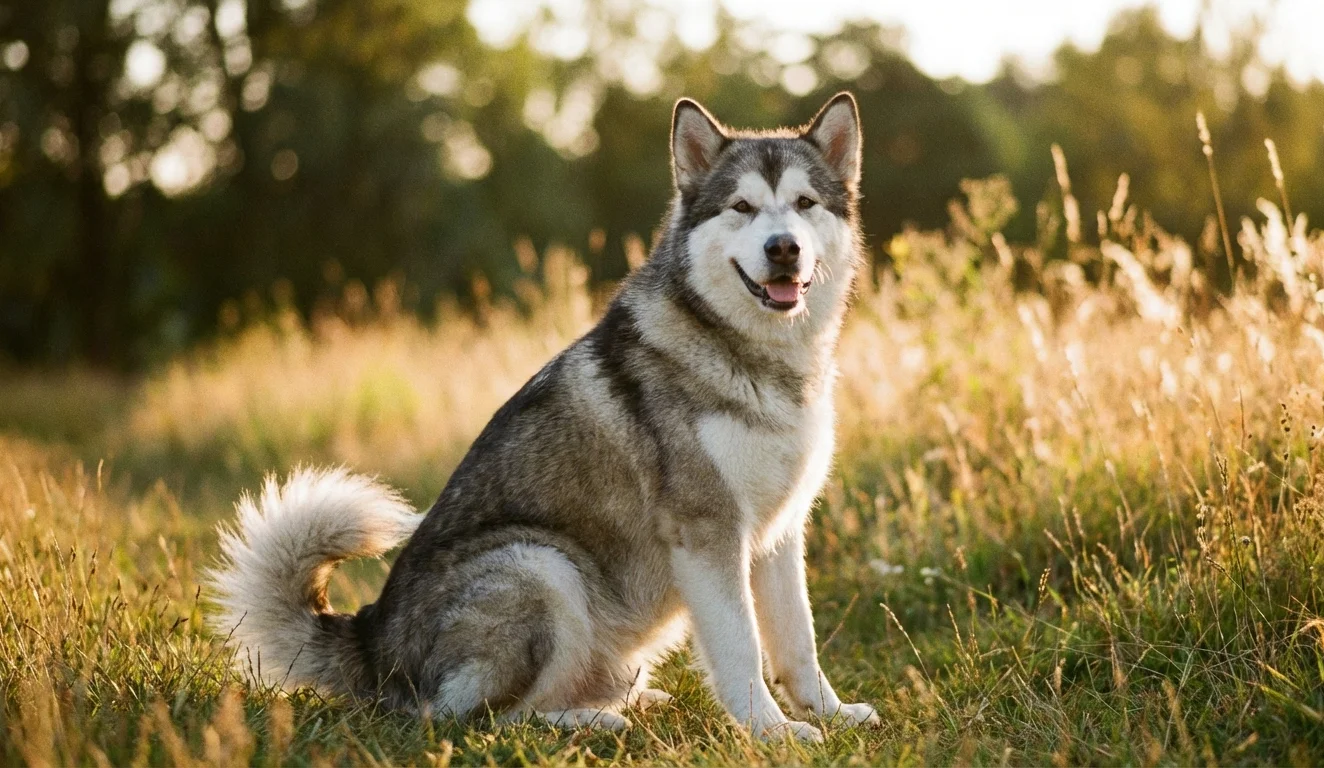
Their coat is dense and double-layered, with a thick, plush undercoat beneath a straight outer coat. Colors include white, brindle, pinto, fawn, red, and sesame. The American Akita comes in more color varieties than the Japanese Akita Inu, which is typically limited to red, fawn, sesame, brindle, and white.
One thing that catches people off guard about Akitas: they’re surprisingly graceful for their size. They move with a smooth, powerful gait that doesn’t waste energy. Watching an Akita walk is nothing like watching a Mastiff lumber, there’s a purpose and precision to their movement that hints at the athletic hunter underneath all that fur.
Akita Temperament
The AKC describes the Akita as “courageous, dignified, and profoundly loyal.” We’d add: stubborn, opinionated, and not particularly interested in making friends with strangers.
Akitas are one-family dogs. They bond intensely with their people and can be affectionate, even silly, at home. Many Akita owners describe their dogs as “catlike” because they groom themselves meticulously, are relatively quiet, and seem to assess situations before acting rather than charging in headfirst.
What you need to know about Akita temperament:
- Protective instinct is strong. Akitas are natural guard dogs. They don’t need training to be suspicious of strangers, they come that way from the factory. This makes early socialization absolutely non-negotiable.
- Dog aggression is common. Akitas, especially same-sex pairs, frequently don’t get along with other dogs. This isn’t a breed you can take to the dog park and expect everything to go smoothly.
- They’re quiet. Akitas aren’t big barkers. When an Akita does bark, pay attention, they usually have a reason. They do, however, make a range of amusing vocalizations. Akita owners call it “talking.”
- Independence is baked in. Akitas were bred to make decisions on their own while hunting large game. That independence means they’ll sometimes look at your command, consider it, and decide they’d rather not. This can be maddening if you’re used to eager-to-please breeds.
Exercise Needs
Akitas need about 60 minutes of exercise per day. They’re not hyperactive dogs, you won’t see an Akita doing zoomies for twenty minutes straight the way a Border Collie might. Their energy is more measured and deliberate.
Long walks are the bread and butter of Akita exercise. They’re excellent hiking partners, especially in cold weather (that thick double coat makes them heat-sensitive, so watch the summer temperatures). Akitas also enjoy backyard play sessions, and many have a surprisingly strong prey drive that makes flirt poles an entertaining option.
Good exercises for Akitas:
- Brisk walks. Two 30-minute walks per day at a good pace work well for most adult Akitas. They prefer a purposeful walk to aimless wandering.
- Hiking. Cold-weather hikes are where Akitas really shine. They’re surefooted, they have the endurance, and the cold doesn’t bother them in the slightest.
- Backyard play. Flirt poles, tug toys, and puzzle-based activities give Akitas a physical and mental outlet without requiring interaction with other dogs.
- Nose work. Akitas have strong scenting ability, and scent-based games or formal nose work classes engage their brain in a way that running alone doesn’t.
Off-leash exercise is tricky with Akitas. Their recall tends to be unreliable, and their dog-aggression tendencies mean an unexpected encounter with another dog at the park could go badly. We’d recommend a securely fenced yard and keeping your Akita leashed in public areas.
Heat sensitivity is a real concern. Akitas are built for cold climates, the breed developed in the snowy mountains of northern Japan. In warm weather, limit exercise to early morning or late evening and always have water available. If the temperature is above 80 degrees, keep sessions short. An overheated Akita can go from fine to heatstroke fast.
A bored Akita with too much pent-up energy will dig. They’ll also chew things you didn’t think were chewable. Exercise isn’t optional with this breed.
Grooming
Akitas have a dense double coat that needs brushing 2-3 times per week during normal periods. But “normal” is generous, Akitas have two massive coat blowouts per year, typically in spring and fall, where they shed their entire undercoat over the course of 2-3 weeks. During blowouts, you’ll need to brush daily or you’ll be living in a fur snowstorm.
The rest of the routine is simple. Baths every 6-8 weeks, nail trims every 2-3 weeks, and regular ear checks. Akitas are famously clean dogs, they groom themselves almost like cats, which means they tend to stay relatively odor-free between baths.
Invest in a good deshedding tool (the Furminator works well for this breed) and a powerful vacuum. You’ll need both.
A word about the blowouts: they’re dramatic. We’re not exaggerating when we say you can pull out handfuls of undercoat during peak shedding. First-time Akita owners sometimes think something is wrong with their dog. Nothing’s wrong, that’s just what happens when a dog evolved for Japanese mountain winters adjusts its coat for spring.
Akita Health Issues
Akitas are a moderately healthy breed with a lifespan of 10-13 years. But like most large purebreds, they have some genetic predispositions you should know about.
Hip Dysplasia
Hip dysplasia is common in Akitas. The OFA reports that Akitas have a notable incidence of hip dysplasia, where the hip joint develops abnormally, leading to arthritis and pain. Treatment can range from $1,500-$6,000 depending on severity. Always ask breeders for OFA hip clearances on both parents.
Bloat (Gastric Dilatation-Volvulus)
Akitas are a deep-chested breed, which puts them at moderate risk for bloat, a life-threatening condition where the stomach fills with gas and can twist. Symptoms include a distended abdomen, unproductive retching, and restlessness. This is a veterinary emergency. Surgery costs run $2,000-$7,500. Some owners opt for a preventive gastropexy (stomach tacking) at the time of spay or neuter.
Autoimmune Thyroiditis
Akitas have a moderate prevalence of autoimmune thyroiditis, where the immune system attacks the thyroid gland. Symptoms include weight gain, lethargy, and coat changes. The good news: it’s manageable with daily medication. Ongoing treatment costs about $200-$600 annually.
Progressive Retinal Atrophy (PRA)
PRA causes gradual vision loss and eventual blindness. It has moderate prevalence in the breed. DNA testing can identify carriers, and responsible breeders screen for this before breeding. Treatment costs are $2,000-$3,000.
Sebaceous Adenitis
This inflammatory skin condition affects the sebaceous glands and can cause hair loss, scaly skin, and secondary infections. It’s seen with moderate frequency in Akitas and costs $500-$2,000 to manage.
Training
Training an Akita is a different experience from training most popular breeds. They’re intelligent, that’s not the issue. The issue is that Akitas have their own agenda, and convincing them that your agenda is more interesting takes skill and patience. A Labrador hears “sit” and thinks, “Sure, whatever you want!” An Akita hears “sit” and thinks, “Why? What’s in it for me? I’ll think about it.”
That’s not a dig at the breed. It’s just who they are. And honestly, a lot of Akita owners love that independent streak once they figure out how to work with it rather than against it.
What works with Akitas:
- Consistency. Akitas need to know the rules are the rules, every single time. If you let them on the couch on Tuesday, telling them no on Wednesday will not compute.
- Respect-based training. Akitas don’t respond well to harsh corrections, but they also don’t have that golden retriever eagerness to please. You need to be calm, confident, and firm. Think “respectful negotiation,” not “drill sergeant.”
- Short sessions. Akitas get bored with repetitive training. Keep sessions to 10-15 minutes and end on a positive note.
- Early socialization. This is the single most important thing you can do with an Akita puppy. Expose them to as many different people, dogs, sounds, and environments as possible between 8 and 16 weeks. An undersocialized Akita can become fearful or aggressive, and at 100+ pounds, that’s a serious problem.
Akitas are not a good choice for first-time dog owners. We say that not to be gatekeeping, but because an Akita whose owner can’t manage them can become dangerous. This breed does best with experienced owners who understand dominant breed dynamics.
Cost
Purchase Price
An Akita puppy from a reputable breeder costs $1,000-$2,500. Show-quality Akitas from champion bloodlines can run significantly higher.
Adoption through Akita-specific rescues is an excellent option and typically costs $300-$600. Given that many Akitas end up in rescue because first-time owners underestimated the breed, there are often well-tempered adult Akitas available through rescue organizations.
Monthly Costs
| Expense | Monthly Estimate |
|---|---|
| Food (high-quality, large breed) | $60-$100 |
| Preventive vet care (averaged) | $20-$40 |
| Pet insurance | $40-$70 |
| Treats and chews | $15-$25 |
| Miscellaneous (toys, supplies) | $10-$25 |
| Total | $120-$250 |
First-Year Costs
Budget at least $3,500-$6,000 for your first year with an Akita. This includes the purchase price, initial vet visits, vaccinations, spay/neuter, crate, bed, food, and supplies. The first year is always the most expensive.
Is an Akita Right for You?
An Akita is a great fit if you:
- Have experience with large, independent breeds
- Want a naturally protective dog that doesn’t need guard training
- Live in a home with a securely fenced yard
- Can commit to firm, consistent training from day one
- Appreciate a dog that’s loyal to the point of devotion but doesn’t need constant attention
- Don’t mind industrial-level shedding twice a year
An Akita is probably NOT right if you:
- Have young children (the breed’s size and low tolerance for unpredictable behavior is a real concern)
- Have other dogs, especially same-sex dogs
- Want a dog-park dog or a breed that gets along easily with other animals
- Are a first-time dog owner
- Live in a warm climate without good air conditioning
- Want a dog that obeys commands immediately and without question
The Akita is one of those breeds that inspires fierce loyalty in return, people who love Akitas really love them. But they’re not for everyone, and pretending otherwise does a disservice to both the dogs and the people who adopt them unprepared. If you’re the right match, though, you’ll never want another breed.
Related Breeds
If you’re considering this breed, you might also want to look at:
FAQ
Are Akitas aggressive?
Akitas aren’t inherently aggressive toward people, but they are naturally protective and can be dog-aggressive, particularly with same-sex dogs. An Akita that’s been properly socialized from puppyhood and raised by an experienced owner is typically calm and well-mannered. The problems come from poor socialization, lack of training, or owners who underestimate the breed’s strength and independence.
Do Akitas do well in hot weather?
Not particularly. That thick double coat that makes Akitas thrive in cold climates becomes a liability in summer heat. If you live in a warm climate, limit outdoor exercise to early morning and evening, always provide shade and fresh water, and keep your home air-conditioned. Never shave an Akita’s coat, it actually insulates against heat as well as cold, and shaving can permanently damage the coat texture.
Can Akitas live with other pets?
It’s complicated. Akitas have a high prey drive and a tendency toward dog aggression, so multi-pet households require careful management. Some Akitas do fine with cats or smaller dogs they’ve been raised with from puppyhood, but introductions to new animals as adults can be risky. Same-sex Akita pairs are especially prone to conflict. We’d recommend the Akita as a single-dog household whenever possible.
How much do Akitas bark?
Akitas are one of the quieter large breeds. They’re not prone to excessive barking, which makes them decent apartment dogs from a noise perspective (though their size makes apartments impractical for other reasons). Akitas do “talk”, they make a range of mumbling, grumbling, and moaning sounds that their owners find endearing. When an Akita barks with purpose, take it seriously.
What’s the difference between a Japanese Akita and an American Akita?
The breeds diverged after World War II. The Japanese Akita (Akita Inu) is more fox-like in appearance with a narrower head, almond-shaped eyes, and limited color options (primarily red, fawn, sesame, brindle, and white). The American Akita is larger, heavier-boned, with a broader head and a wider range of coat colors including pinto. Many countries recognize these as two separate breeds, but the AKC currently registers them as one breed with two types. Temperament differences are subtle, both are loyal, independent, and protective.