Boykin Spaniel Breed Guide: South Carolina's Best-Kept Secret (2026)
The Boykin Spaniel was built for swamp hunting and perfected for the couch. If you haven't heard of them, that's about to change.
The Boykin Spaniel weighs 25-40 pounds, stands 14-18 inches tall, and lives 10-15 years. They’re a medium-sized sporting dog with a rich brown coat, expressive amber eyes, and a wagging tail that never seems to stop. If you live in South Carolina, you already know this breed, the Boykin is the official state dog, and Boykin owners down there are borderline evangelical about it. If you live anywhere else, you might be meeting the Boykin for the first time. You’re in for a treat.
In Short: 25–40 lbs, 10–15 years. High energy. Moderate shedding. Watch for Hip Dysplasia. Best for active families, hunters, and anyone who wants a midsized sporting dog that doubles as the world’s happiest roommate.
The Boykin Spaniel is one of those breeds that makes you wonder why it isn’t more popular. They’re great with kids, great with other dogs, enthusiastic about exercise without being manic about it, and they’ve got a genuine off-switch for when the day is done. They’re also one of the few American-developed sporting breeds, which gives them a cool regional origin story that most breeds can’t match. The catch? They need activity, they shed, and finding a good breeder outside the Southeast takes some effort.
Boykin Spaniel at a Glance
| Trait | Details |
|---|---|
| Breed Group | Sporting (AKC) |
| Height | Males: 15.5-18 in / Females: 14-16.5 in |
| Weight | Males: 30-40 lbs / Females: 25-35 lbs |
| Life Expectancy | 10-15 years |
| Coat | Medium-length, wavy to curly, water-resistant |
| Colors | Rich liver (brown), chocolate |
| Temperament | Friendly, Eager, Trainable, Energetic |
| Shedding | Moderate |
| Energy Level | High |
| Good With Kids | Yes |
| Good With Other Dogs | Yes |
| Good With Cats | Yes (with socialization) |
| AKC Recognition | 2009 |
History
The Boykin Spaniel has one of the best origin stories in dogdom. Around 1900, a small stray spaniel wandered into a Methodist church in Spartanburg, South Carolina, and was taken in by a banker named Alexander White. White noticed the dog had an extraordinary retrieve instinct and sent it to his hunting partner, Whit Boykin, who lived near Camden, South Carolina. Boykin crossed the little dog with Chesapeake Bay Retrievers, Cocker Spaniels, English Springer Spaniels, and American Water Spaniels. The result was a compact, brown, energetic flushing and retrieving dog perfectly suited for hunting wild turkeys and waterfowl in the Wateree River Swamp.
The breed’s size was deliberate. South Carolina hunters used small boats called “section boats” on the narrow rivers and swamps. A Lab would capsize the boat. A Boykin Spaniel, nimble, lighter, and compact, could hunt all day without tipping anything over. Form followed function, as it always does with the best working breeds.
The AKC recognized the Boykin Spaniel in 2009, making it a relatively recent addition. South Carolina declared it the official state dog in 1985, and September 1st is Boykin Spaniel Day in the state. The breed remains most popular in the Carolinas, Georgia, and neighboring states, but it’s been gaining traction nationally as more people discover what Boykin owners have known for a century.
Size and Appearance
Boykin Spaniels are medium-sized, solidly built dogs. Males typically weigh 30-40 pounds and stand 15.5-18 inches. Females are 25-35 pounds and 14-16.5 inches. They’re compact but athletic, muscular enough to power through dense brush and water, but light enough that they won’t sink your canoe.
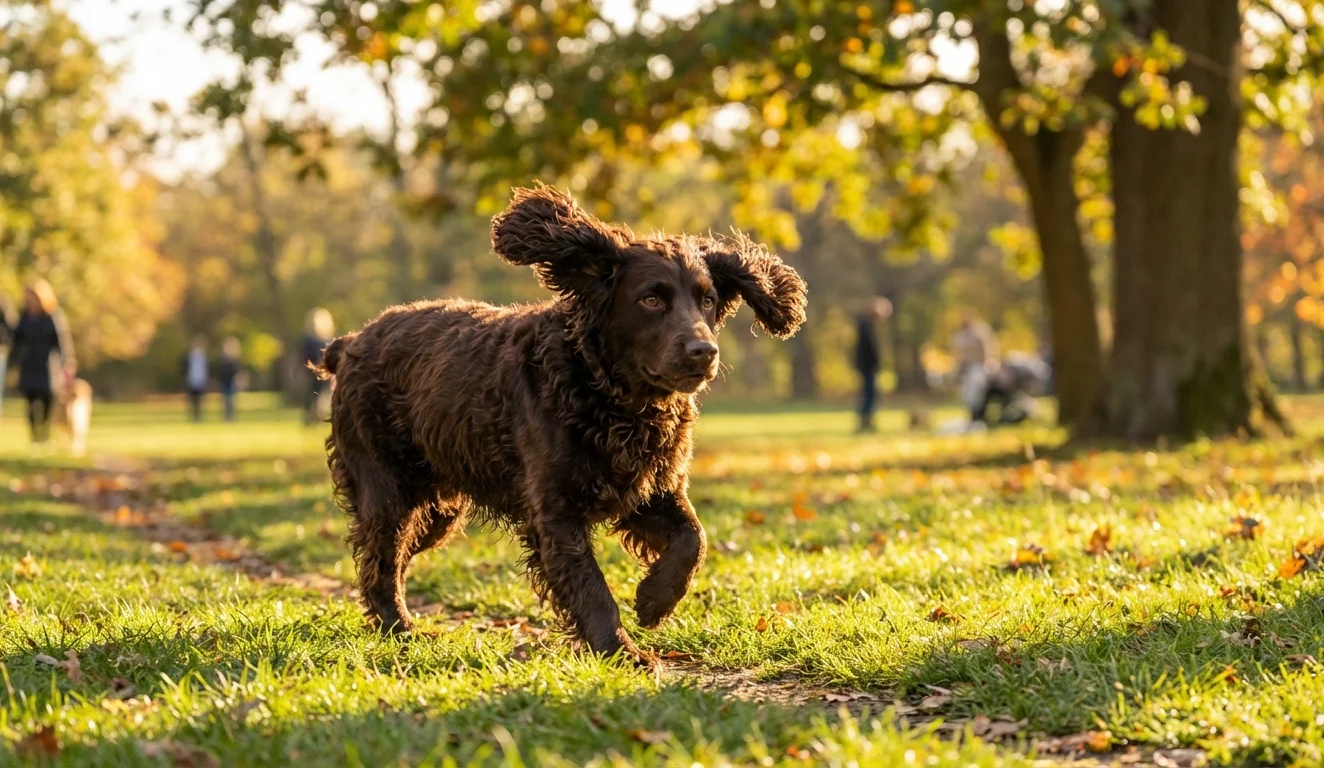
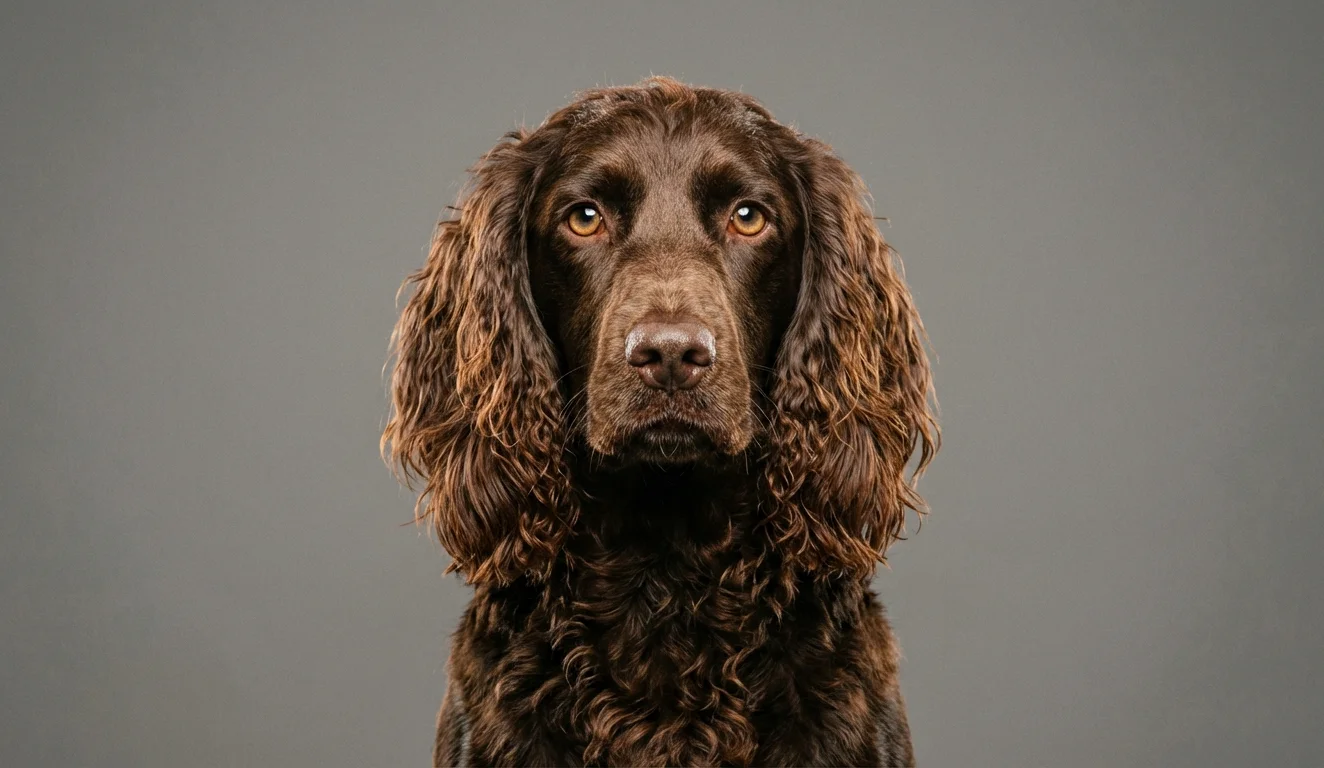
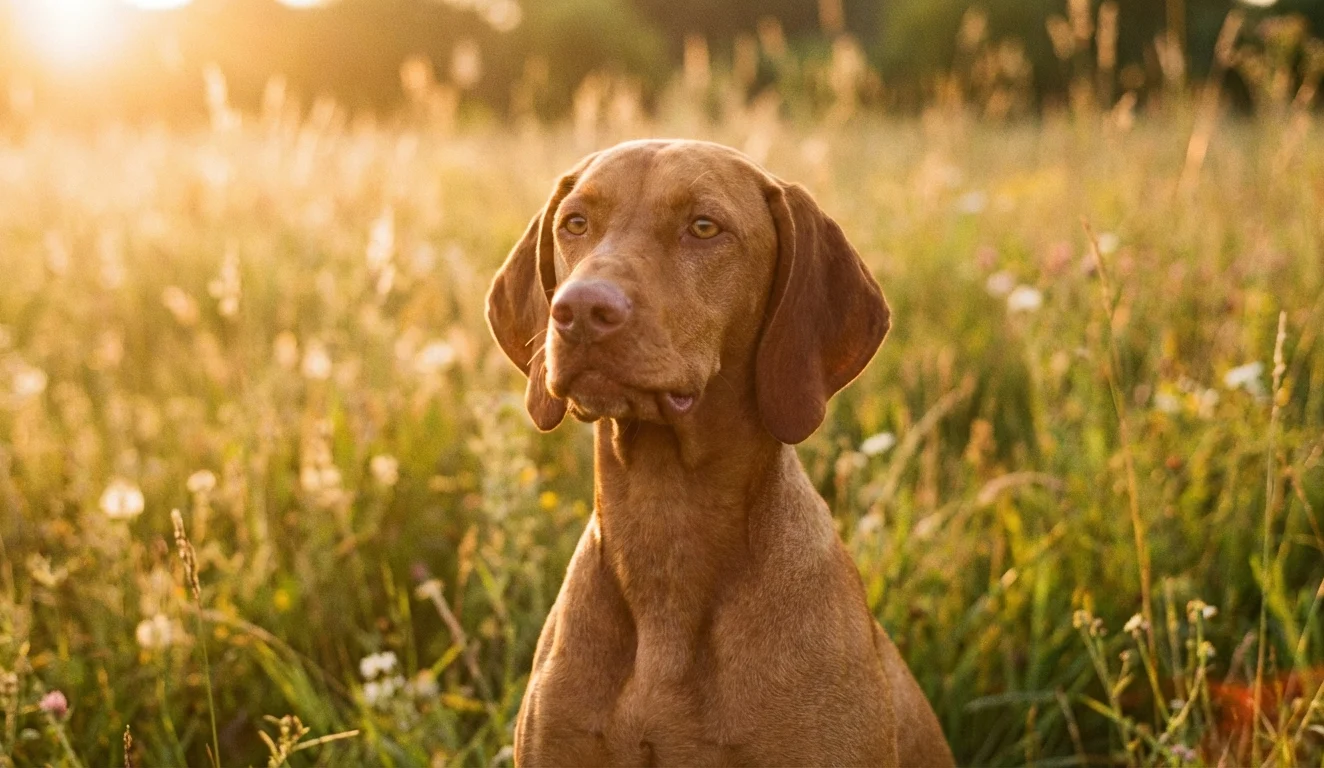
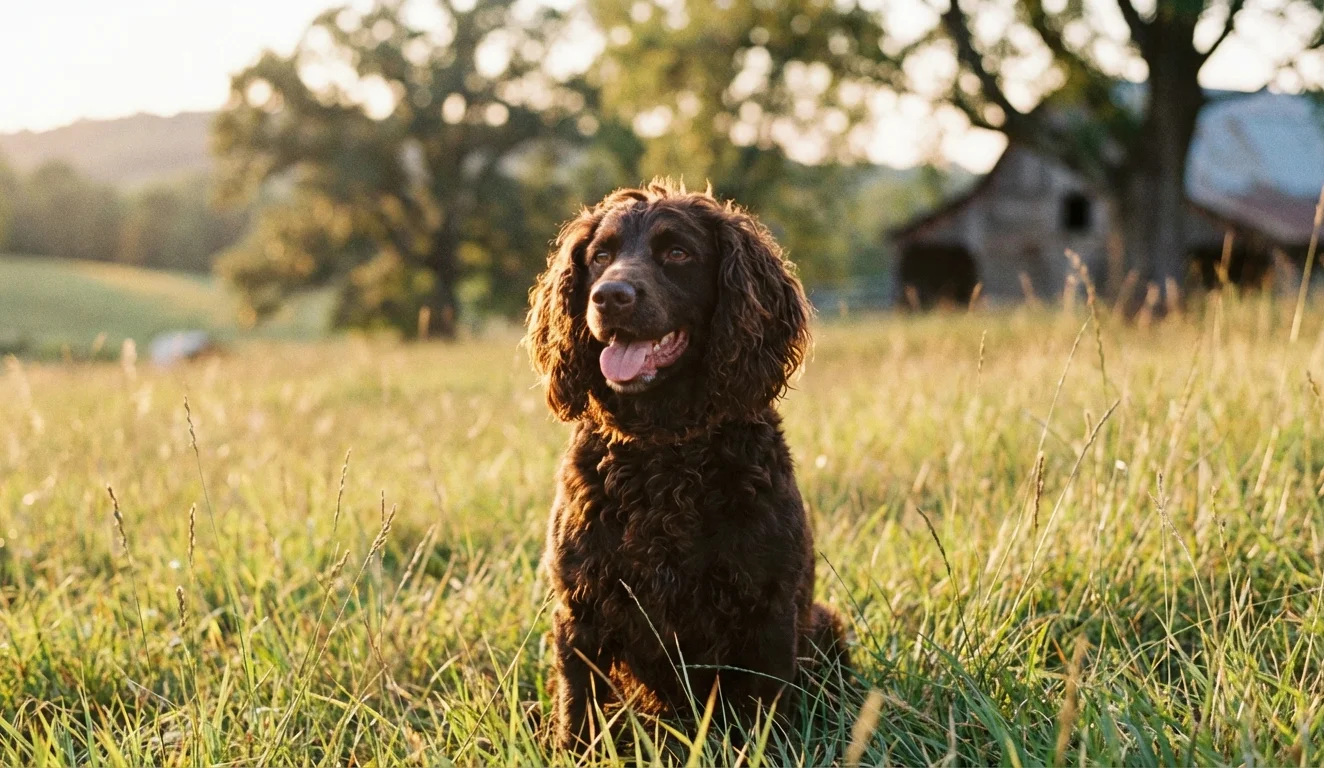
The coat is the breed’s visual signature. It’s always some shade of rich liver brown, from dark chocolate to a warm, lighter brown. The texture ranges from flat and slightly wavy to moderately curly, with feathering on the ears, chest, legs, and belly. The coat is water-resistant, a necessity for a dog bred to retrieve from swamps. Those amber to golden-yellow eyes against the brown coat give the Boykin one of the most striking faces in the sporting group.
The tail is traditionally docked to about 3-5 inches, though undocked tails are becoming more common. Either way, the tail never stops moving. Boykin owners joke that the breed communicates primarily through tail velocity, slow wag for “I’m content,” medium for “something is interesting,” full helicopter for “you said the W-A-L-K word.”
Boykin Spaniel Temperament
Boykin Spaniels are happy dogs. That’s the simplest and most accurate description. They radiate enthusiasm about pretty much everything, food, walks, people, other dogs, swimming, sleeping, and the general fact of being alive.
What it’s like sharing a house with a Boykin:
- People-oriented to the core. Boykins form tight bonds with their families and are genuinely friendly with strangers. This is not a guard dog. A Boykin will greet a burglar with a wagging tail and a toy in its mouth.
- Fantastic with children. Their sturdy size, gentle mouth (bred for retrieving), and patient disposition make them one of the better family sporting dogs. They can handle energetic kids without getting overwhelmed.
- Multi-dog households work well. Boykins were bred to work alongside other dogs and they retain that pack-friendly nature. Same-sex aggression is rare in the breed.
- Water obsession. Most Boykins are magnetically drawn to water. Puddles, pools, lakes, streams, mud holes, if it’s wet, a Boykin wants to be in it. This is charming until it’s 7 AM and your Boykin has found the only mud puddle in a dry park.
- They mellow with age. Boykin puppies and young adults are high-energy. By age 4-5, most settle into a more moderate pace, though they’ll still happily go on a long hike or hunt if you ask.
Our honest opinion: the Boykin Spaniel is one of the most underrated family dogs in America. They’ve got the friendliness of a Golden Retriever in a more manageable package, without the extreme shedding or the 80-pound body sprawled across your entire couch. The breed’s relative obscurity outside the Southeast is a shame, because these are really, really good dogs.
Exercise Needs
Boykin Spaniels need 60-90 minutes of exercise daily. They were bred to hunt all day in tough terrain, so a casual walk won’t satisfy them, especially in their first three years.
Exercise that Boykins love:
- Swimming. This is the gold standard for Boykin exercise. If you have access to a safe swimming spot, your Boykin will be in heaven. Most take to water instinctively, some puppies will charge into a lake the first time they see one.
- Retrieving games, especially in water. A dock or a gently sloped bank and a bumper or tennis ball will keep a Boykin occupied for a long time.
- Hiking and trail running. Their moderate size and athletic build make them excellent trail companions who can handle 8-10 mile hikes without issue.
- Hunt tests and field trials for the competitively inclined. The Boykin Spaniel Society runs breed-specific events, and Boykins compete well in AKC hunt tests too.
- Agility. They’re agile, fast, and food-motivated enough to enjoy course work.
The good news is that Boykins have an off-switch that many high-energy sporting breeds lack. Once they’ve burned their energy, they’re perfectly content to sprawl on the couch next to you. They transition from field dog to house dog remarkably well, it’s one of the breed’s best traits.
Grooming
Boykin coats are moderate-maintenance. Not as demanding as a Poodle, but more work than a Lab.
Weekly routine:
- Brush 2-3 times per week to prevent matting, especially in the feathered areas behind the ears, under the legs, and on the belly. A slicker brush works well for the body, and a comb for the feathering.
- Check ears after every swim or bath. Boykins’ hanging ears trap moisture, and they swim a lot. Ear infections are common if you don’t dry those ears thoroughly.
- Trim the hair between the paw pads to prevent matting and improve traction.
- Bathe every 3-4 weeks or after muddy adventures (which will be frequent).
Every 6-8 weeks:
- Trim or tidy the feathering to keep it neat. Many Boykin owners learn to do a basic “sporting clip” themselves, nothing fancy, just managing the longer hair to prevent tangles. A professional groomer familiar with sporting breeds charges $50-$80 per session.
Boykins shed moderately, less than a Golden Retriever but more than a Poodle. You’ll find brown hair on your furniture and clothes, but it won’t be the catastrophic fur situation that double-coated breeds produce.
Boykin Spaniel Health Issues
Boykin Spaniels have a relatively small gene pool, which means some genetic health issues are more prevalent than you’d want. Responsible breeders are working to address these through screening, but buyers should know the risks.
Hip Dysplasia
The OFA reports that approximately 37% of Boykin Spaniels evaluated show some degree of hip dysplasia, one of the highest rates of any breed. This is the breed’s most significant health concern. Insist on OFA hip certifications from both parents before purchasing a puppy. Treatment for symptomatic hip dysplasia ranges from $500-$1,500/year for conservative management (weight control, anti-inflammatories, physical therapy) to $3,500-$7,000 for total hip replacement surgery.
Exercise-Induced Collapse (EIC)
A genetic condition where affected dogs experience weakness and collapse after 5-20 minutes of intense exercise. It’s caused by a mutation in the DNM1 gene, and a DNA test is available. Carriers (one copy of the gene) are typically unaffected. Dogs with two copies show symptoms. Affected dogs can live normal lives with exercise modifications. DNA testing costs $50-$100.
Eye Conditions
Boykins are predisposed to several eye issues, including cataracts, collie eye anomaly (despite not being collies), and distichiasis (abnormal eyelash growth). Annual eye exams through the OFA/CERF program ($200-$400) are recommended. Cataract surgery, if needed, runs $2,500-$4,000 per eye.
Pulmonic Stenosis
A congenital heart defect where the pulmonic valve is narrowed. The Boykin Spaniel Society recommends cardiac screening for breeding dogs. Mild cases may need only monitoring. Moderate to severe cases may require balloon valvuloplasty at $2,000-$5,000. Ask your breeder for cardiac clearances.
Training
Boykin Spaniels are a pleasure to train. They’re eager to please, food-motivated, and smart enough to pick up new commands quickly. Their sporting dog background means they’re wired to work with a handler, which translates directly to training responsiveness.
What works with Boykins:
- Positive reinforcement with food and praise. Boykins live for your approval, and treats seal the deal. Harsh corrections are counterproductive, a scolded Boykin will shut down and get anxious rather than learning the lesson.
- Start retrieve training early if you plan to hunt. Boykins have natural retrieve instinct, but channeling it properly requires structured work starting around 8-10 weeks.
- Socialization is easy because Boykins are naturally social, but don’t skip it. Exposure to different environments, sounds, and surfaces during the 8-16 week window builds confidence.
- Leash manners require early attention. Boykins pull, not out of stubbornness, but because they’re excited about everything ahead of them. A front-clip harness and consistent loose-leash training from puppyhood saves your shoulder.
House training is typically straightforward. Boykins are clean dogs who catch on quickly with consistent crate training. Most are reliable by 4-5 months.
The one area where training takes patience is impulse control around water. A Boykin that sees a body of water may decide, mid-walk, that it’s going swimming. Working on a solid “leave it” and recall around water saves you from many unplanned bath times.
Boykin Spaniel Cost
Purchase Price
A Boykin Spaniel puppy from a reputable breeder costs $1,500-$2,500. Dogs from proven hunting lines or with titled parents may cost more. The breed is concentrated in the Southeast, so buyers outside that region should factor in travel or shipping costs. Breeders who do full health testing (hips, eyes, heart, EIC, and other genetic panels) charge at the higher end, and it’s worth every dollar given the breed’s health profile. Rescue Boykins are occasionally available through the Boykin Spaniel Rescue for $300-$500.
Monthly Costs
| Expense | Monthly Estimate |
|---|---|
| Food (high-quality kibble) | $30-$50 |
| Preventive vet care (averaged) | $15-$25 |
| Pet insurance | $35-$55 |
| Grooming (supplies/occasional professional) | $10-$25 |
| Treats and chews | $10-$15 |
| Miscellaneous (toys, supplies) | $10-$20 |
| Total | $110-$190 |
First-Year Costs
Budget $3,500-$5,500 for the first year, including purchase price. Pet insurance is worth serious consideration with this breed, given the hip dysplasia prevalence, you want to be covered before any symptoms appear. Enroll early, ideally within the first few weeks of bringing your puppy home, so pre-existing conditions aren’t excluded.
Is a Boykin Spaniel Right for You?
A Boykin Spaniel is a great fit if you:
- Lead an active lifestyle and can provide daily exercise (swimming access is a huge bonus)
- Want a friendly, trainable family dog in a manageable size
- Hunt waterfowl or upland game and want a versatile flushing/retrieving dog
- Have kids or other dogs at home
- Live in a climate where the dog can be active outdoors most of the year
A Boykin Spaniel is probably NOT right if you:
- Prefer a low-energy, couch-potato companion
- Can’t commit to regular grooming and ear maintenance
- Want a guard dog or a breed that’s wary of strangers (Boykins love everyone)
- Are a first-time owner who isn’t prepared for a sporting breed’s exercise needs
- Live far from water and can’t provide swimming opportunities (they’ll survive, but they won’t thrive the same way)
The Boykin Spaniel is proof that the best dogs aren’t always the most famous ones. If you want a sporting dog with the enthusiasm of a Lab, the size of a Springer, and the undying affection of a Golden, but wrapped in a gorgeous brown coat with its own state holiday, the Boykin deserves your attention.
Related Breeds
If you’re considering this breed, you might also want to look at:
Frequently Asked Questions
Are Boykin Spaniels good for first-time owners?
They can be, if the first-time owner is active and committed to training. Boykins are forgiving of mistakes and eager to please, which helps beginners. But their exercise needs are real, a first-time owner who underestimates how much activity a Boykin needs will struggle. If you’re active and willing to put in the training work, a Boykin is a more forgiving choice than many sporting breeds.
Do Boykin Spaniels shed a lot?
Moderately. You’ll find brown hair on your clothes and furniture, but it’s not the fur avalanche you’d get from a Husky or a German Shepherd. Regular brushing (2-3 times a week) keeps shedding manageable. The real grooming challenge is preventing mats in the feathered areas, not managing loose hair.
Can Boykin Spaniels live in apartments?
Technically, yes, if you’re committed to daily exercise. A Boykin that gets 60-90 minutes of activity is calm and quiet indoors. But apartment living means you’re committing to multiple daily walks, trips to a dog park, and regular access to swimming or hiking areas. A house with a fenced yard is easier, but it’s not strictly required.
How are Boykin Spaniels different from Cocker Spaniels?
Boykins are larger (25-40 lbs vs. 20-30 lbs for Cockers), more athletic, and bred specifically for hunting rather than companionship. They have higher exercise needs, fewer coat color options (brown only), and generally better hip health screening practices among breeders. Temperament-wise, Boykins tend to be more outgoing and less prone to the nervous behaviors that some Cocker lines develop.
Why haven’t I heard of Boykin Spaniels before?
Regional popularity. The breed was developed in and around South Carolina, and it’s remained concentrated in the Southeast. They’re the 100th-most-popular AKC breed, which means they’re not rare, just not widely known outside hunting and sporting dog circles. That’s changing as more people discover them, but for now, a Boykin still turns heads at most dog parks north of Virginia.