French Bulldog Breed Guide: Adorable, Expensive, and Worth an Honest Conversation (2026)
French Bulldogs are the most popular breed in America right now. They're also one of the most expensive to own. Here's what nobody tells you upfront.
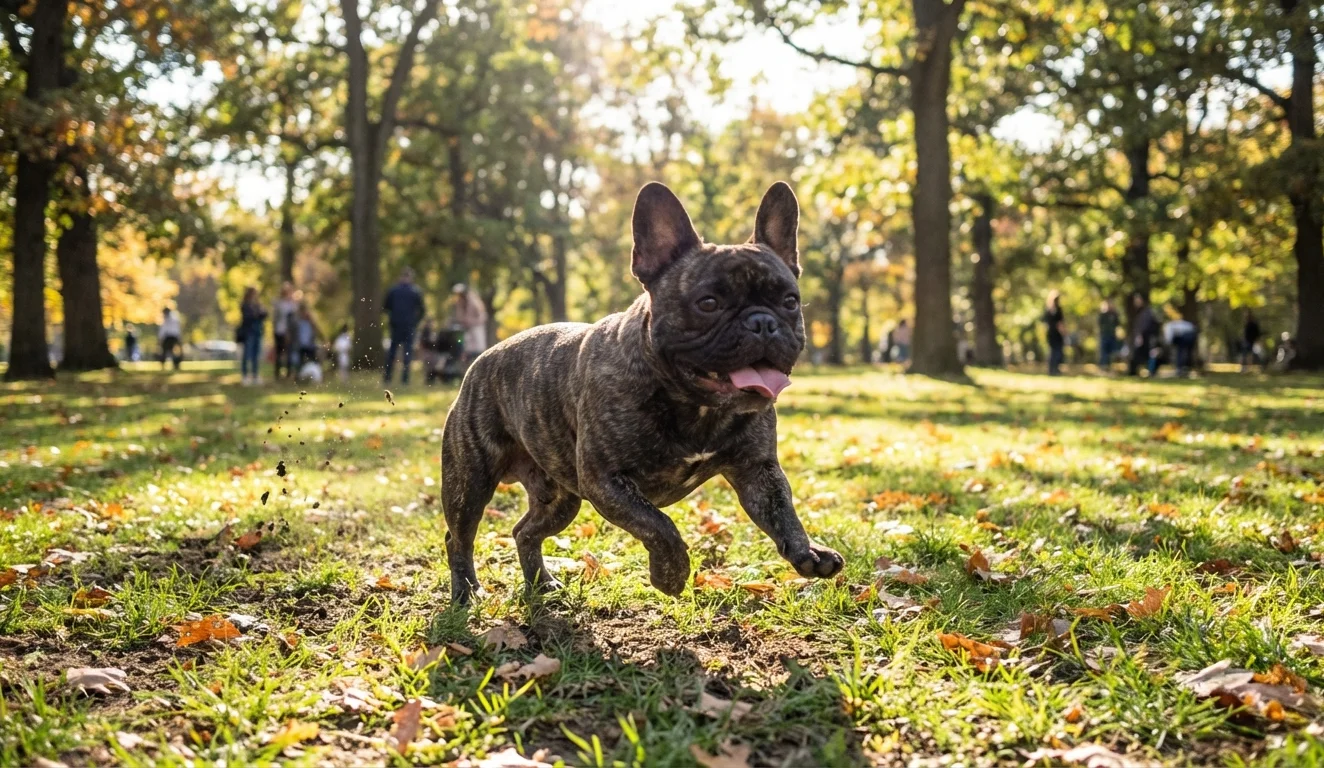
The French Bulldog knocked the Labrador Retriever off the #1 spot in 2022 and hasn’t looked back. Frenchies weigh under 28 pounds, live 10-12 years, and have a personality that’s somehow equal parts couch potato and class clown. But French Bulldogs are a brachycephalic breed, which is a fancy way of saying their face is flat and their breathing is compromised. That matters more than most people realize before they buy one.
In Short: 16–28 lbs, 10–12 years. Moderate energy. Moderate shedding. Watch for Brachycephalic Obstructive Airway Syndrome and Skin Allergies. Great for families and first-time owners, apartment-friendly.
We’re not here to talk you out of a Frenchie. Millions of people adore this breed, and honestly, it’s easy to see why. But we think you deserve the full picture, especially the vet bills, before you commit.
French Bulldog at a Glance
| Trait | Details |
|---|---|
| Breed Group | Non-Sporting (AKC) |
| Size | 11-13 inches tall, under 28 lbs |
| Lifespan | 10-12 years |
| Coat | Short, smooth, minimal shedding |
| Temperament | Affectionate, playful, adaptable, stubborn |
| Exercise Needs | Low, 30-45 minutes per day |
| Grooming | Low maintenance (weekly brushing + facial fold care) |
| Good With Kids | Yes |
| Good With Other Dogs | Generally yes, with proper socialization |
| AKC Popularity Rank | #1 (2022-2024) |
History of the French Bulldog
Despite the name, the French Bulldog didn’t originate in France. The breed traces back to Nottingham, England in the 1800s, where lace workers bred a smaller, toy-sized version of the English Bulldog as a lap warmer during long working hours.
When the Industrial Revolution displaced many of these lace workers in the mid-1800s, they emigrated to northern France, and brought their miniature Bulldogs along. The breed took off in France, where breeders crossed them with local ratters and possibly pugs. The signature bat ears emerged during this period, becoming the French Bulldog’s most distinctive feature.
French Bulldogs arrived in the United States by the late 1800s. American fanciers strongly preferred the bat ear over the rose ear (which English breeders favored), and this preference became the breed standard. The AKC recognized the French Bulldog in 1898. By 2022, the breed had climbed to the #1 spot in AKC registrations, a position the French Bulldog held through 2024.
Size and Appearance
French Bulldogs are a small but surprisingly heavy breed. That compact, muscular frame packs a lot of weight into a short package.
Size standards:
- Height: 11-13 inches at the shoulder
- Weight: Under 28 pounds (AKC standard)
- Build: Compact, muscular, heavy-boned for their size
Physical features:
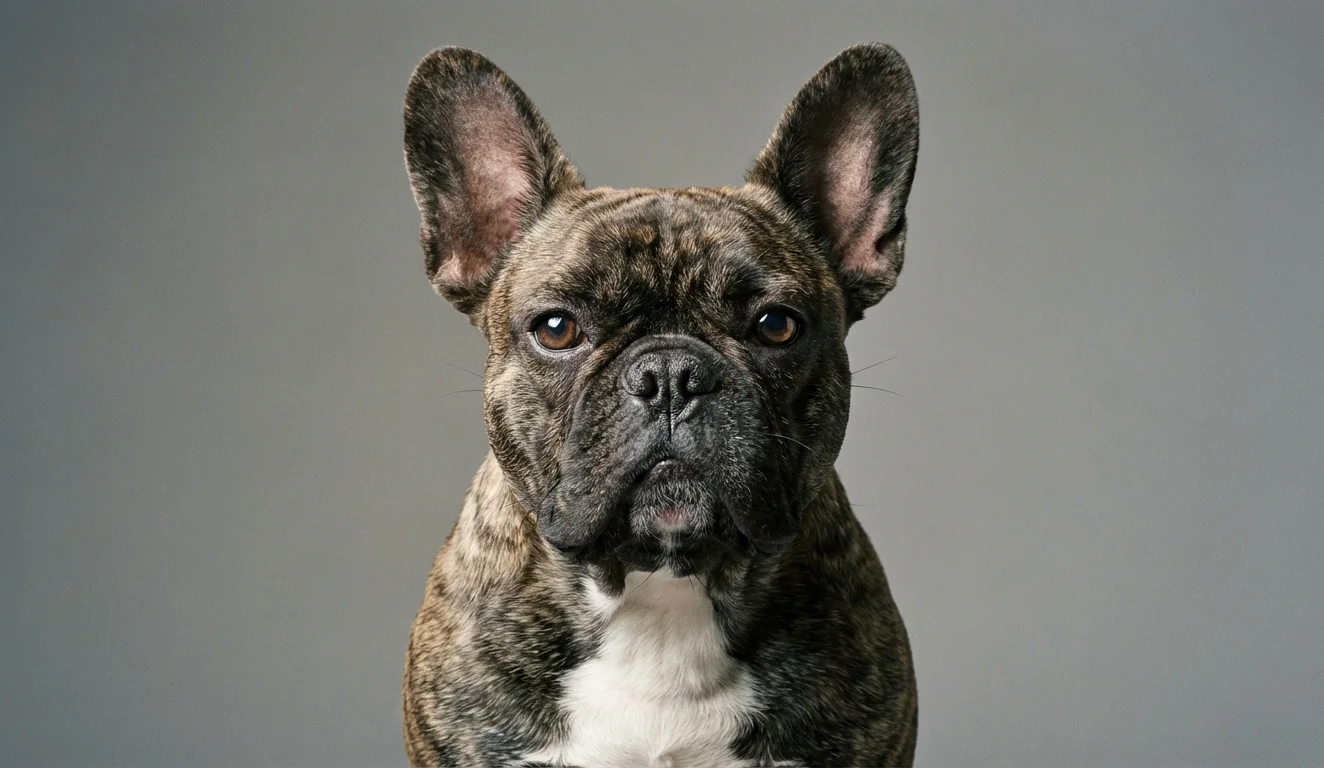
- Large, rounded bat ears (the breed’s trademark)
- Flat, pushed-in face (brachycephalic skull)
- Short, smooth coat
- Compact, square-shaped body
- Short, stumpy tail (naturally short, not docked)
AKC-accepted colors include:
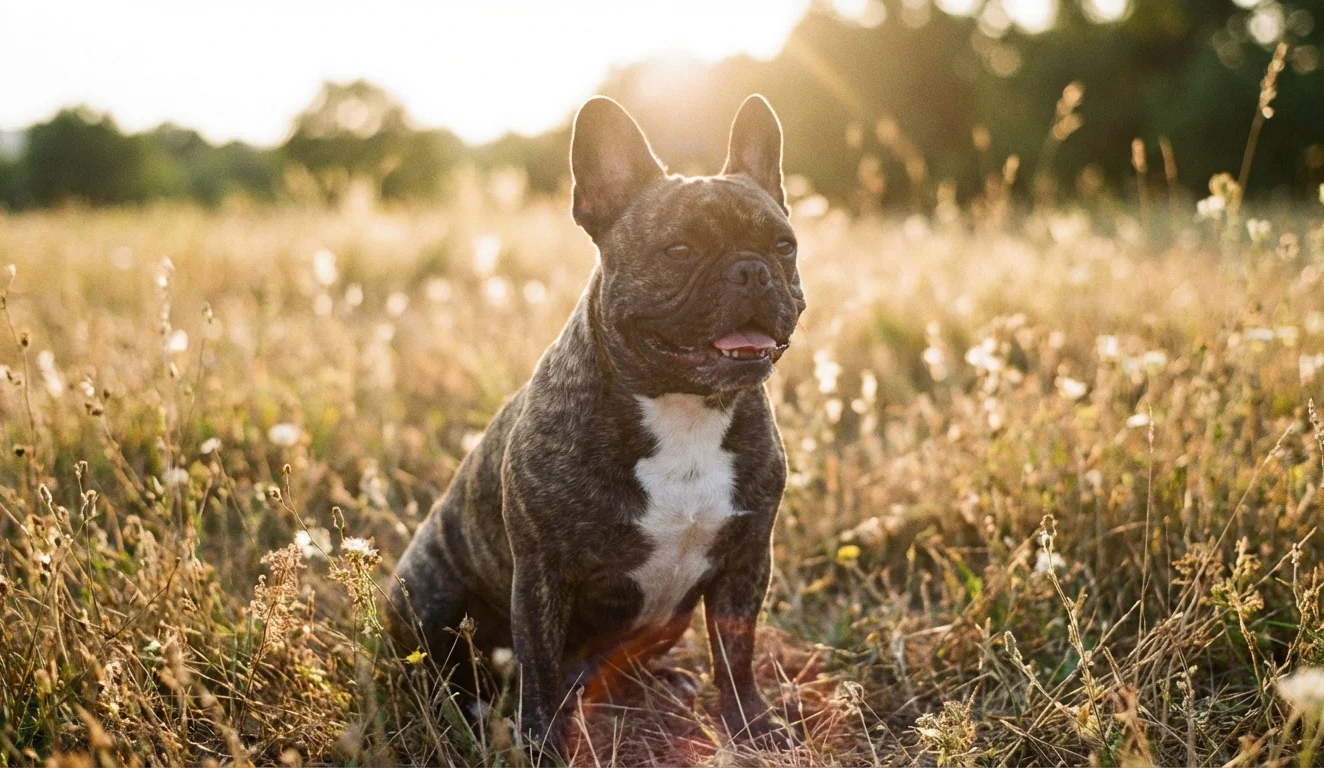
- Brindle
- Fawn
- Cream
- White
- Pied (white with patches of another color)
- Fawn brindle
You’ll see French Bulldogs advertised in “rare” colors like blue, merle, lilac, and chocolate. These colors aren’t AKC standard and often come from breeders prioritizing appearance over health testing. A non-standard color doesn’t automatically mean a bad breeder, but it’s a yellow flag worth investigating.
French Bulldog Temperament
The French Bulldog’s temperament is the biggest reason for the breed’s popularity explosion. French Bulldogs are adaptable in a way that few breeds can match.
What to expect from a French Bulldog’s personality:
- Affectionate. French Bulldogs bond closely with their people. Most French Bulldogs are happiest when they’re touching you, sitting on your lap, leaning against your leg, sleeping on your pillow.
- Playful. French Bulldogs have a goofy, clownish streak. They’ll entertain you without needing to run a marathon to burn off energy.
- Adaptable. French Bulldogs do well in apartments, houses, cities, and suburbs. They don’t need a yard (though they’ll enjoy one).
- Alert. French Bulldogs aren’t guard dogs, but they’ll let you know when someone’s at the door. They bark with purpose rather than constantly.
- Stubborn. This is the flip side. French Bulldogs have an independent streak and will sometimes decide that whatever you’re asking isn’t worth their effort. It’s charming until you’re trying to house train one in January.
French Bulldogs are generally good with children and other pets, especially when socialized early. They’re not as fragile as they look, French Bulldogs are sturdy little dogs, but supervision with very young children is still smart.
Exercise Needs
French Bulldogs are one of the lowest-energy breeds you can own, and that’s not just personality, it’s biology. The French Bulldog’s brachycephalic airway means the breed physically can’t sustain intense exercise.
Daily exercise guidelines for French Bulldogs:
- 30-45 minutes per day of moderate activity
- Two short walks (15-20 minutes each) work well
- Short play sessions in a cool environment
- Mental stimulation through puzzle toys and training games
What to avoid:
- Intense exercise in heat. French Bulldogs are extremely heat-sensitive. When temperatures climb above 80F, keep walks short and stick to early morning or evening. The breed’s compromised airway makes it difficult for French Bulldogs to cool themselves through panting.
- Swimming. French Bulldogs cannot swim. Their front-heavy build and short legs make swimming dangerous. If you have a pool, treat your French Bulldog like a toddler, never unsupervised near water, and invest in a properly fitted canine life jacket.
- Long runs or hikes. French Bulldogs don’t have the respiratory capacity or endurance for sustained cardio.
The upside? If you want a dog that’s happy with a couple of neighborhood walks and some couch time, the French Bulldog is a near-perfect match.
Grooming
French Bulldog grooming is about as low-maintenance as it gets, with one notable exception.
Coat care:
- Short, smooth coat that sheds minimally
- Weekly brushing with a rubber grooming mitt keeps things tidy
- French Bulldogs don’t need professional grooming
The exception, facial fold care:
- French Bulldogs have wrinkles and skin folds around their face and nose
- These folds trap moisture, dirt, and bacteria
- Clean your French Bulldog’s facial folds at least once a week with a damp cloth or unscented baby wipe
- Dry the folds thoroughly after cleaning, trapped moisture leads to yeast infections and dermatitis
- Some French Bulldogs need daily fold cleaning, especially during humid months
Other grooming needs:
- Nail trimming every 2-3 weeks
- Ear cleaning weekly (those bat ears can collect debris)
- Dental care, small breeds are prone to dental crowding, so brush your French Bulldog’s teeth several times a week or use dental chews
French Bulldog Health Issues
Here’s where we need to be honest. French Bulldogs are wonderful companions, but the breed faces significant health challenges, most of them directly related to the flat-faced structure that defines the breed’s appearance.
Brachycephalic Obstructive Airway Syndrome (BOAS)
BOAS affects an estimated 50% or more of French Bulldogs according to a 2016 study published in PLOS ONE. The condition involves narrowed nostrils, an elongated soft palate, and a narrowed trachea that restrict airflow. Symptoms range from mild (snoring, occasional snorting) to severe (exercise intolerance, fainting, blue-tinged gums). Many French Bulldogs require corrective surgery to breathe comfortably.
Intervertebral Disc Disease (IVDD)
French Bulldogs are a chondrodystrophic breed (those short legs are a form of dwarfism), which predisposes them to spinal problems. IVDD affects roughly 1 in 5 French Bulldogs over their lifetime. Symptoms include back pain, reluctance to jump, and in serious cases, paralysis. Treatment ranges from crate rest and medication to emergency surgery costing $5,000-$10,000.
Skin Allergies
French Bulldogs are prone to environmental and food allergies. Symptoms typically show up as itchy skin, ear infections, and paw licking. According to Nationwide pet insurance claims data, skin conditions are the #1 reason French Bulldog owners visit the vet.
Eye Problems
Cherry eye (prolapsed third eyelid gland) is common in French Bulldogs, as are corneal ulcers, the French Bulldog’s prominent eyes are more exposed to injury. Cherry eye usually requires surgical correction ($500-$1,500 per eye).
Heat Stroke
Because French Bulldogs can’t pant efficiently, the breed is at significantly higher risk of heat stroke than non-brachycephalic breeds. A 2020 study in Scientific Reports found that brachycephalic breeds were twice as likely to suffer heat-related illness as dogs with longer muzzles.
Other Conditions to Watch For
- Hip dysplasia (OFA rates French Bulldogs at approximately 28% affected)
- Patellar luxation
- Allergies and atopic dermatitis
- Ear infections
- Cardiac issues
Training a French Bulldog
French Bulldogs are moderately trainable, smarter than they get credit for, but not always willing to prove it.
What works with French Bulldogs:
- Food motivation. Most French Bulldogs will do almost anything for a treat. Use this shamelessly.
- Short sessions. Keep training sessions to 5-10 minutes. French Bulldogs lose interest quickly, and their breathing limitations mean they fatigue faster than most breeds.
- Positive reinforcement. French Bulldogs shut down with harsh corrections. Keep it upbeat and reward-based.
- Consistency. French Bulldogs are smart enough to test boundaries. If you give in once, that French Bulldog will remember.
Common training challenges:
- House training. French Bulldogs are notoriously slow to house train. Many owners report that it takes 4-6 months of consistent effort. Crate training and a strict schedule are your best tools.
- Stubbornness. French Bulldogs sometimes simply decide they’re done. When that happens, take a break and try again later. Forcing the issue doesn’t work.
- Separation anxiety. French Bulldogs bond closely and some struggle with being left alone. Start crate training and alone-time practice early.
French Bulldog Cost
French Bulldogs are one of the most expensive breeds to own, both upfront and ongoing.
Purchase Price
- Reputable breeder: $2,000-$5,000+ for a health-tested French Bulldog
- “Rare” colors (blue, merle, lilac): $5,000-$10,000+ (proceed with extreme caution)
- Rescue/adoption: $300-$800 through French Bulldog rescue organizations
Why French Bulldogs cost so much: Most French Bulldogs can’t breed naturally (their hips are too narrow) and can’t whelp naturally. Roughly 80% of French Bulldog litters are delivered by C-section, according to the Royal Veterinary College. Artificial insemination plus surgical delivery adds $3,000-$5,000 to each litter’s production costs, and those costs get passed to buyers.
Monthly Costs
| Category | Estimated Monthly Cost |
|---|---|
| Food | $30-$60 |
| Pet insurance | $50-$100 |
| Routine vet care (amortized) | $30-$50 |
| Treats, toys, supplies | $20-$40 |
| Total | $130-$250/month |
Lifetime Veterinary Costs
French Bulldogs consistently rank among the most expensive breeds at the vet. According to Nationwide pet insurance data, the average French Bulldog owner spends $4,300 per year on veterinary care, significantly above the all-breed average. Many French Bulldogs will need at least one surgical procedure (BOAS correction, cherry eye repair, IVDD treatment, or C-section) during their lifetime.
Pet insurance is strongly recommended for French Bulldogs. Get coverage while your French Bulldog is young, pre-existing conditions won’t be covered, and this breed develops conditions early.
The Health Reality
We genuinely like French Bulldogs. But we’d be doing you a disservice if we glossed over this: decades of breeding for a flatter face have created a dog that can struggle with basic breathing. That’s not an opinion, it’s what the research shows.
A 2022 study in Canine Medicine and Genetics found that French Bulldogs were over twice as likely to be diagnosed with at least one disorder compared to non-brachycephalic breeds. The same study found French Bulldogs had significantly higher rates of skin fold dermatitis (38x), BOAS (42x), and narrowed nostrils (52x) compared to other breeds.
If you’re committed to getting a French Bulldog, here’s how to find a responsible breeder:
- Ask for BOAS grading. Responsible breeders have their dogs graded for breathing function (Grade 0, 1, or 2) and only breed dogs graded 0 or 1.
- Request OFA results. Hips, patellas, cardiac, and eyes should all be tested. Results should be verifiable on the OFA website.
- Ask about nares (nostrils). The breeder should be selecting for open nostrils, not stenotic (pinched) ones.
- Meet the parents. Both parent dogs should breathe quietly at rest with no audible snoring or stridor.
- Ask about C-section rates. While C-sections are common in French Bulldogs, breeders working toward natural whelping capability are prioritizing the breed’s future.
Avoid any breeder who can’t provide health testing documentation, sells puppies before 8 weeks, or prioritizes “rare” colors over health.
Is a French Bulldog Right for You?
A French Bulldog might be a great fit if you:
- Live in an apartment or small home
- Want a low-exercise companion
- Work from home or can bring your dog to work
- Have the financial resources for higher-than-average vet bills
- Want a social, people-oriented dog
- Don’t mind some stubbornness
A French Bulldog probably isn’t right for you if:
- You’re very active and want a running or hiking partner
- You live in a hot climate without reliable air conditioning
- You’re looking for a low-cost breed
- You want a dog with minimal health concerns
- You’re away from home for long hours most days
- You have an unfenced pool or spend a lot of time around open water
Related Breeds
If you’re considering this breed, you might also want to look at:
Frequently Asked Questions About French Bulldogs
How long do French Bulldogs live?
French Bulldogs live an average of 10 to 12 years, according to AKC breed data. A 2024 study published in Scientific Reports found the median lifespan for French Bulldogs in the UK was 9.8 years, somewhat lower than many similarly sized breeds. Factors that contribute to longer French Bulldog lifespans include maintaining a healthy weight, avoiding heat exposure, addressing breathing issues early, and keeping up with regular veterinary checkups.
Are French Bulldogs good with kids?
French Bulldogs are generally excellent family dogs and do well with children of all ages. French Bulldogs are sturdy enough to handle the energy of young kids without being large enough to accidentally knock them over. The breed’s playful, patient temperament makes French Bulldogs natural companions for children, though supervision is always recommended with any dog and very young children.
Can French Bulldogs be left alone?
French Bulldogs can be left alone for moderate periods (4 to 6 hours), but the breed is prone to separation anxiety due to their strong attachment to their owners. French Bulldogs who are left alone for extended periods regularly may develop destructive behaviors, excessive barking, or house training regression. Crate training, puzzle toys, and gradual alone-time practice help French Bulldogs adjust to being solo.
Do French Bulldogs shed a lot?
French Bulldogs shed lightly year-round, but the short, fine coat means shedding is far less noticeable than with double-coated breeds. Weekly brushing with a rubber grooming mitt captures loose hair and keeps a French Bulldog’s coat looking smooth. French Bulldogs experience slightly heavier shedding during seasonal changes in spring and fall, but it’s still minimal compared to breeds like Labrador Retrievers or German Shepherds.
Why are French Bulldogs so expensive?
French Bulldogs are expensive primarily because of their breeding costs. Most French Bulldogs require artificial insemination because the breed’s narrow hips make natural mating difficult, and approximately 80% of French Bulldog litters are delivered via C-section according to Royal Veterinary College data. These veterinary procedures add $3,000 to $5,000 per litter in production costs. Reputable breeders also invest in health testing (hips, patellas, cardiac, eyes, BOAS grading), which adds further cost but significantly reduces the risk of genetic health problems in French Bulldog puppies.