Chihuahua Breed Guide: Tiny Dog, Unreasonably Big Personality (2026)
Chihuahuas weigh 3-6 pounds but act like they run the place. Here's what you're actually signing up for with this fierce, loyal little breed.
The Chihuahua is the smallest recognized dog breed in the world, 3-6 pounds, 5-8 inches tall, and has a lifespan of 14-16 years, which means this is a long commitment. They come in smooth coat and long coat varieties, every color you can imagine, and with a personality so outsized relative to their body it’s almost comical. Almost. Because Chihuahuas are completely serious about everything they do.
In Short: 3–6 lbs, 14–16 years. Moderate energy. Moderate shedding. Watch for Patellar Luxation and Hypoglycemia. Good for first-time owners, apartment-friendly.
Here’s what we think most Chihuahua content gets wrong: people either infantilize them (they’re not living accessories) or dismiss them as yappy ankle-biters. They deserve more credit than that. A well-bred, properly socialized Chihuahua is a genuinely devoted companion with a sharp mind and a courage-to-body-weight ratio that would make a German Shepherd blush. The problem is that a lot of Chihuahuas aren’t properly socialized, because owners think a 5-pound dog doesn’t need training. They’re wrong.
Chihuahua at a Glance
| Trait | Details |
|---|---|
| Size | 3-6 lbs |
| Height | 5-8 inches |
| Lifespan | 14-16 years |
| Energy Level | Moderate |
| Shedding | Moderate (both coat types) |
| Good with Kids | Not recommended for young children |
| Good with Other Dogs | Selective, often prefers other Chihuahuas |
| Trainability | Moderate, smart but stubborn |
| Price Range | $500-$1,500 from a reputable breeder |
History
The Chihuahua’s origin story has some gaps, but the most widely accepted theory traces them back to the Techichi, a small companion dog kept by the Toltec civilization in Mexico as early as the 9th century. Artifacts depicting Techichi-like dogs appear in Toltec carvings at Chichen Itza and other archaeological sites. The Aztecs later adopted and possibly refined the breed, believing the dogs had mystical abilities, including guiding souls to the underworld.
The modern Chihuahua gets its name from the Mexican state of Chihuahua, where Americans first encountered the breed in the mid-1800s. The AKC registered its first Chihuahua in 1904, making it one of the older AKC breeds despite its size. Early Chihuahuas were mostly smooth-coated. The long-coat variety was developed later through selective breeding and possibly crosses with Papillons or Pomeranians.
Today, the Chihuahua consistently ranks in the top 30 most popular AKC breeds. Their small size makes them natural apartment dogs, and their long lifespan means they stick around, sometimes outliving two or three larger dogs in the same household. There’s a reason people who own Chihuahuas tend to own multiples. The breed gets under your skin.
Size and Appearance
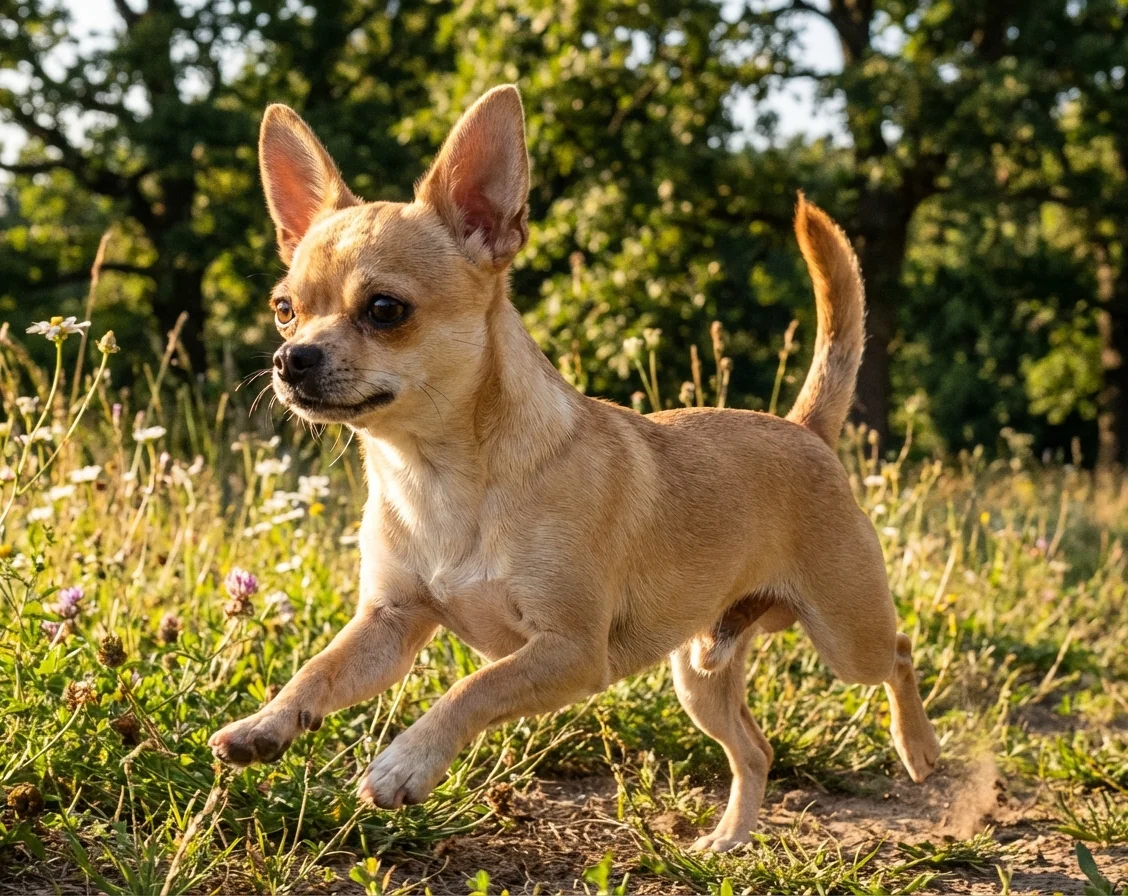
Chihuahuas are genuinely tiny. Both males and females weigh between 3 and 6 pounds and stand just 5-8 inches at the shoulder. The AKC breed standard doesn’t specify a height requirement but caps the weight at 6 pounds for show dogs. You’ll see Chihuahuas marketed as “teacup” at weights under 3 pounds, we’d avoid those. Breeding for extreme smallness increases health risks significantly, and “teacup” isn’t an official designation. It’s a marketing term.
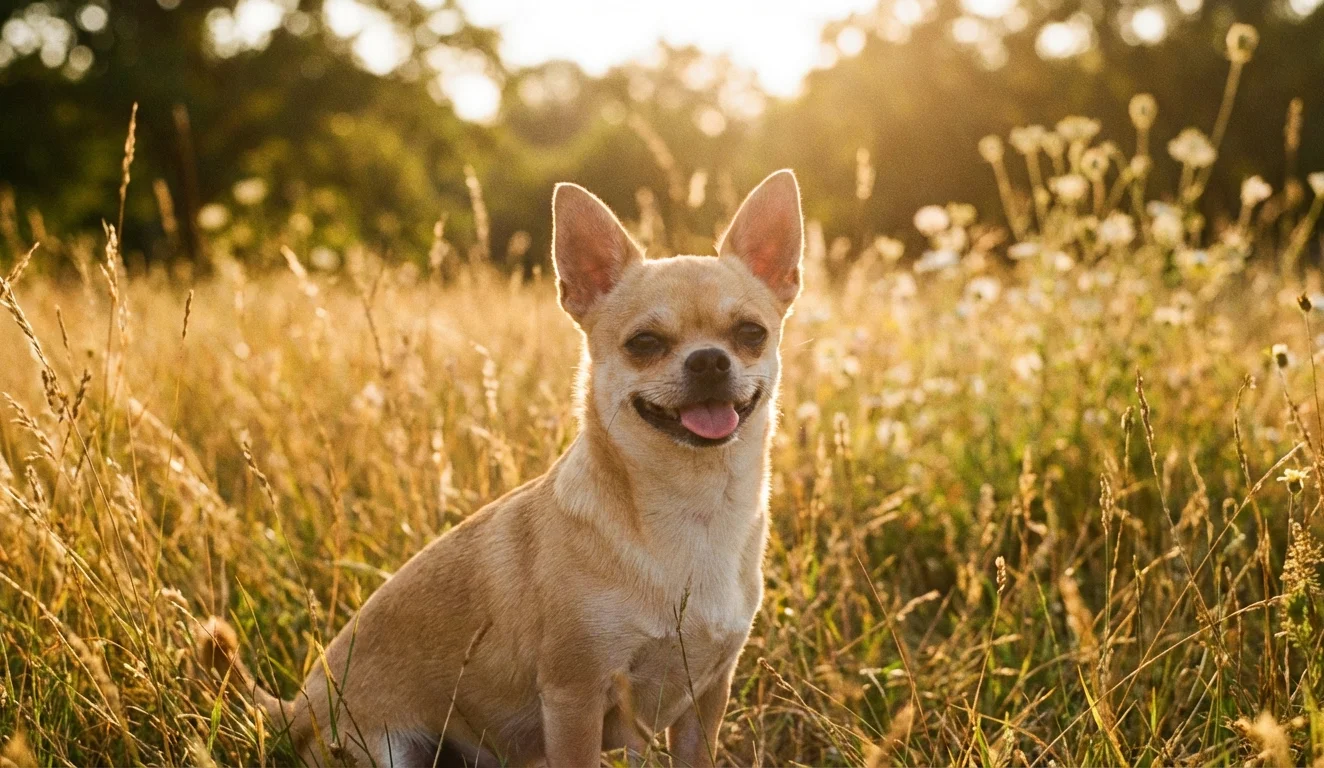
Smooth Coat Chihuahuas have a short, glossy coat that lies close to the body. They’re easy to groom but feel the cold intensely. If you live somewhere with real winters, budget for sweaters. No, that’s not a fashion statement, it’s a health necessity for a 4-pound dog with minimal body fat.
Long Coat Chihuahuas have soft, flat or slightly wavy fur with feathering on the ears, legs, and tail. They actually don’t shed more than smooth coats in our experience, but they need more brushing to avoid tangles.
Color-wise, Chihuahuas come in basically everything: fawn, black, white, chocolate, cream, gold, red, blue, and merle. Solid, marked, or splashed. The AKC recognizes over 30 color combinations, which is more variety than almost any other breed.
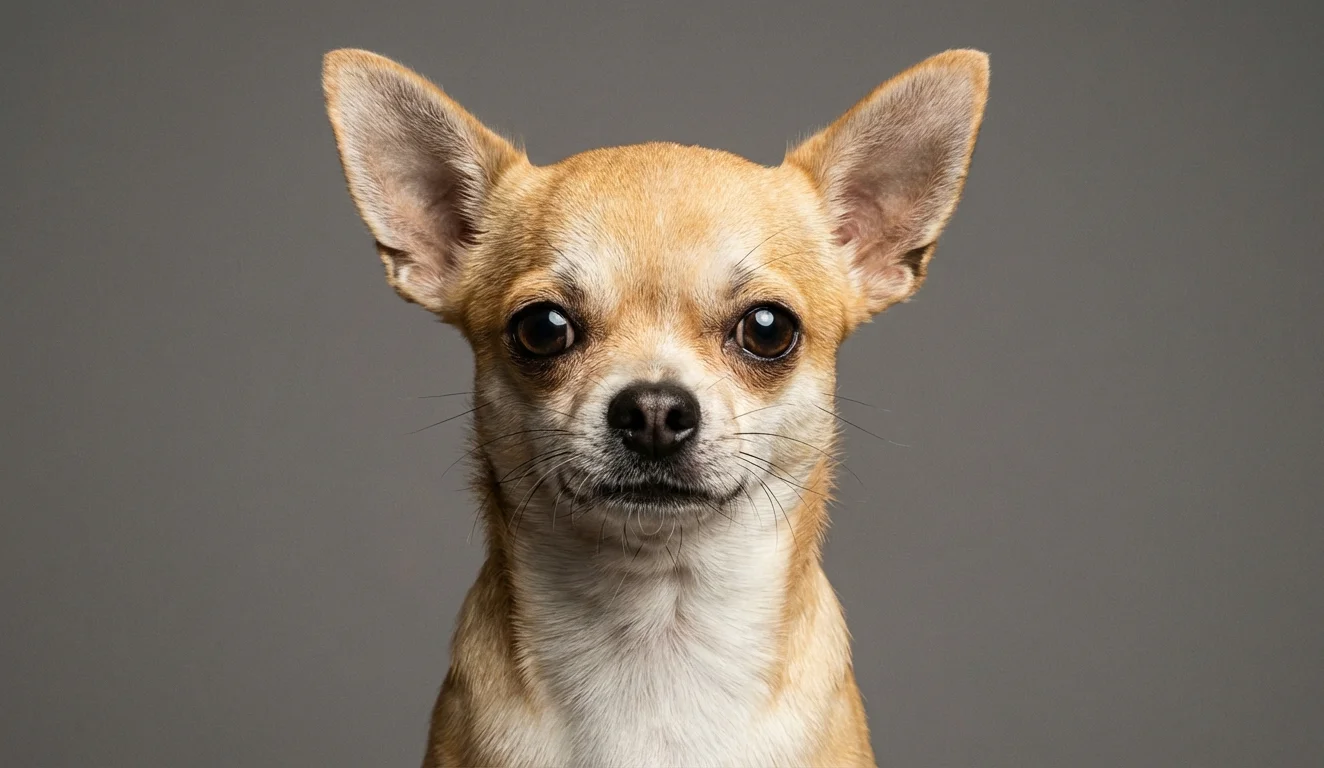
Their most distinctive feature is the apple-shaped head, a rounded skull with a pronounced forehead. Some Chihuahuas have a molera, a soft spot on the skull similar to the fontanelle in human babies. It usually closes as the dog matures but doesn’t always, which is worth knowing if you have a household where the dog might get bumped on the head.
Chihuahua Temperament
The Chihuahua personality is unlike any other breed. Full stop.
They pick a person. Chihuahuas bond intensely with one human, their human, and that relationship is the center of their universe. They’ll sit in your lap for hours, follow you to the bathroom, sleep burrowed under your blankets, and growl at your partner for getting too close. This devotion is endearing until it tips into resource guarding, which is why early training matters.
They have zero concept of their size. A Chihuahua will bark at a Great Dane and genuinely believe it had the upper hand. This fearlessness is part of their charm, but it’s also a safety risk. They will pick fights they cannot win. Supervise interactions with larger dogs carefully.
The barking is real. Chihuahuas have a barking level that falls into the “very high” category, and we’re not going to sugarcoat it. They bark at the doorbell. They bark at the mail carrier. They bark at a leaf blowing across the sidewalk that looked suspicious. It’s alerting behavior backed by a breed that was literally used as a living alarm system. Training can reduce it, but you won’t eliminate it entirely.
Sassiness is a feature, not a bug. Chihuahuas have attitude. They have opinions about where they sit, when they eat, and whether they feel like listening to you right now. People who love Chihuahuas love this about them. People who prefer biddable, eager-to-please dogs will find it maddening.
Exercise Needs
Despite their energy level, Chihuahuas don’t need much structured exercise by volume. 30 minutes per day is enough, a couple of short walks plus some indoor playtime. Their little legs cover a lot less ground than you’d think, and a walk that feels casual to you is a full workout for them.
But don’t skip the exercise because they’re small. Chihuahuas who never leave the house become anxious, territorial, and even more bark-prone than they’d naturally be. The walk isn’t just physical, it’s mental enrichment, socialization, and a chance for them to experience the world beyond your living room.
Indoor play works well for Chihuahuas. They’ll chase small toys, play tug with appropriately sized rope toys, and enjoy puzzle feeders. Keep in mind that their joints are delicate, avoid games that involve jumping from heights. A Chihuahua leaping off a couch might not sound concerning, but at their size, that’s a proportionally massive drop. It’s a common source of leg injuries.
Temperature is a factor too. Chihuahuas are cold-sensitive. Below 50 degrees Fahrenheit, they need a coat or sweater for outdoor walks. Below freezing, keep outings short. They originated in Mexico, and their bodies haven’t forgotten.
Grooming
Chihuahuas are relatively low-maintenance on the grooming front, especially smooth coats.
Smooth Coat Chihuahuas need brushing once a week with a soft bristle brush or grooming mitt. That’s mostly to remove loose hair and distribute skin oils. Baths every 4-6 weeks unless they get into something.
Long Coat Chihuahuas should be brushed 2-3 times per week to prevent mats, especially behind the ears and on the feathered parts of the legs. A pin brush works well here. Baths on a similar schedule as smooth coats.
Dental care is critical. This is the number one grooming concern for Chihuahuas, more important than coat care. Small breeds are extremely prone to dental disease, and Chihuahuas are near the top of that list. Their small mouths crowd teeth together, leading to plaque buildup, gum disease, and tooth loss. Brush teeth daily if possible, or at minimum 3-4 times per week. Annual dental cleanings at the vet (running $200-$500) are essentially mandatory for this breed.
Nail trimming every 2-3 weeks. Their tiny nails grow fast and can curve into the paw pads if neglected. Many Chihuahua owners find it easier to use a small nail grinder instead of clippers.
Professional grooming is rarely needed unless you have a long coat Chihuahua and prefer someone else handle the tangles. Budget about $100-$200 per year on grooming supplies and the occasional professional session.
Chihuahua Health Issues
Chihuahuas are long-lived dogs, but their tiny size comes with specific health vulnerabilities. The 14-16 year lifespan is real, plenty of Chihuahuas make it to 18 or beyond, but you’ll likely deal with at least one of these conditions along the way.
Patellar Luxation, Common in the breed. The kneecap slides out of its groove, causing intermittent lameness, you’ll see the dog suddenly lift a back leg for a few steps, then walk normally again. Treatment ranges from rest and anti-inflammatories for mild cases to surgery at $1,500-$3,000 per knee for severe cases.
Hydrocephalus, Fluid accumulation in the brain. More common in apple-headed Chihuahuas with pronounced moleras. Signs include a dome-shaped skull that seems disproportionately large, seizures, and coordination problems. This is a serious condition, with treatment costs of $3,000-$10,000 depending on whether surgery is required. Reputable breeders screen for this.
Heart Murmurs (Mitral Valve Disease), Moderate prevalence. The mitral valve weakens over time, allowing blood to flow backward in the heart. It’s often detected during routine vet exams and progresses slowly. Management can include medication to support heart function, with costs ranging from $2,000-$8,000 over the course of the disease.
Tracheal Collapse, The trachea weakens and flattens, causing a honking cough, especially during excitement or when pulling on a leash. This is why we always recommend harnesses over collars for Chihuahuas. Treatment runs $1,000-$5,000 and ranges from medication to surgical stent placement in severe cases.
Hypoglycemia, Low blood sugar is common in Chihuahuas, especially puppies and very small adults. Signs include lethargy, trembling, and disorientation. It can be managed with frequent small meals and keeping honey or sugar paste on hand for emergencies. Treatment costs $200-$1,000, but the bigger risk is not recognizing the signs quickly enough.
Health Testing for Chihuahua Breeders
Ask for:
- Cardiac evaluation
- Patellar evaluation (OFA)
- Eye exam (CERF or OFA)
- BAER hearing test (especially for merle-colored Chihuahuas)
Training
Chihuahuas are smart. Training them isn’t a question of intelligence, it’s a question of motivation. They’re not Golden Retrievers falling over themselves to please you. A Chihuahua will evaluate your request, decide whether the reward is worth the effort, and act accordingly. You have to earn their cooperation.
Positive reinforcement is the only approach that works well. Chihuahuas shut down or become defensive with harsh corrections. Use tiny treats (they have tiny stomachs, break treats into crumbs), praise, and consistency. Sessions should be short, 5-10 minutes, because their attention drifts.
The biggest training mistake people make with Chihuahuas is not training them at all. Because they’re small, owners carry them everywhere, let them growl at people, let them bark at everything, and never bother with basic obedience because “they can’t really hurt anyone.” This produces an anxious, reactive dog that’s miserable to live with and gives the entire breed a bad reputation.
Socialization is absolutely critical between 8-16 weeks. Expose them to different people, dogs (carefully, size-appropriate playmates), surfaces, and sounds. A confident Chihuahua is a well-socialized Chihuahua. Every Chihuahua you’ve met that seems like a nervous wreck? Odds are good that socialization window was missed.
Housetraining is notoriously challenging with Chihuahuas. Their small bladders mean they need to go out more frequently than larger breeds. Some owners use indoor pee pads permanently, which is a reasonable accommodation given the breed’s size and sensitivity to cold weather.
Cost
Chihuahuas are one of the more affordable breeds to own, partly because of their small size (less food, smaller gear) and partly because professional grooming isn’t typically necessary. But don’t assume cheap, vet bills for small-breed conditions can add up fast.
Purchase Price
- Reputable breeder: $500-$1,500. Long coat varieties and unusual colors tend toward the higher end. “Teacup” Chihuahuas from disreputable breeders may cost more, another reason to avoid that designation.
- Adoption/rescue: $100-$350. Chihuahuas are unfortunately one of the most common breeds in shelters, especially in the southwestern US. If you’re open to an adult dog, rescue is a great option.
First-Year Costs
| Expense | Estimated Cost |
|---|---|
| Spay/neuter | $200-$400 |
| Vaccinations and first-year vet visits | $300-$600 |
| Crate, bed, bowls, leash, harness | $100-$250 |
| Puppy training class | $100-$250 |
| Food (first year) | $200-$400 |
| Dental cleaning | $200-$500 |
| Total first-year estimate | $1,100-$2,400 |
Ongoing Monthly Costs
Expect $50-$120 per month once the first year is behind you:
- Food: $20-$40/month (they eat very little)
- Pet insurance: $15-$35/month
- Dental care and vet visits (amortized): $15-$30/month
- Treats, toys, clothing: $10-$20/month
Lifetime Cost
Over a 15-year lifespan, a Chihuahua will cost approximately $10,000-$22,000 including purchase price, routine care, food, and average veterinary expenses. Major health events like surgery for patellar luxation or tracheal collapse can push that number higher, but overall, they’re among the most affordable breeds to maintain.
Is a Chihuahua Right for You?
A Chihuahua might be a great fit if you:
- Live in an apartment or small space
- Want a long-lived companion (14-16 years is a real commitment)
- Are looking for a dog that bonds deeply with you personally
- Don’t have very young children in the household
- Can commit to early socialization and consistent training
- Appreciate a dog with personality and opinions
A Chihuahua is probably NOT the right choice if you:
- Have toddlers or very young children (Chihuahuas are fragile and can become defensive)
- Can’t tolerate barking, these dogs alert to everything
- Want a dog that’s friendly with every person and animal it meets
- Skip training because you think small dogs don’t need it
- Have large dogs that play rough (a Chihuahua can be seriously injured)
- Live in a very cold climate and don’t want to deal with the sweater-and-potty-pad logistics
Related Breeds
If you’re considering this breed, you might also want to look at:
FAQ
Are Chihuahuas good apartment dogs?
Chihuahuas are one of the best apartment breeds out there. They need minimal space, their exercise needs are low, and they’re perfectly happy in a small home as long as they’re close to their person. The one caveat is barking. In a house, a barking Chihuahua is annoying. In an apartment with thin walls, it becomes a neighbor relations issue. Bark training should start immediately if you’re in a multi-unit building.
Why do Chihuahuas shake so much?
Chihuahuas tremble for several reasons, and most of them aren’t concerning. They shake when they’re cold (often, they have almost no body fat to insulate them), when they’re excited, when they’re anxious, or when they have excess energy. It’s so common in the breed that most Chihuahua owners stop noticing after a while. But sustained trembling combined with lethargy or disorientation can be a sign of hypoglycemia, which does require immediate attention.
How long do Chihuahuas live?
The breed’s lifespan of 14-16 years is typical, but Chihuahuas regularly live to 18 or even 20 with good care. They’re one of the longest-lived dog breeds. The keys to longevity are maintaining a healthy weight (obesity strains tiny joints and hearts), regular dental care, and addressing health conditions like heart disease early. Avoid breeders producing extremely small Chihuahuas, as dogs under 3 pounds tend to have more health complications and shorter lifespans.
Are Chihuahuas hard to potty train?
Yes, and we won’t pretend otherwise. Chihuahuas are consistently ranked among the most difficult breeds to housebreak. Their small bladders can’t hold it as long as larger dogs, and they’re sensitive to cold and wet weather, which makes them reluctant to go outside in less-than-ideal conditions. Many owners use a combination approach, outdoor potty trips when weather cooperates, indoor pee pads when it doesn’t. Consistency and patience are essential. Expect the process to take longer than it would with most breeds.
Do Chihuahuas get along with other dogs?
It depends. Chihuahuas tend to prefer the company of other Chihuahuas or similarly sized dogs. They can coexist with larger dogs if the larger dog is calm and gentle, but introductions need to be careful and supervised. Chihuahuas are prone to “small dog syndrome”, acting aggressively toward bigger dogs to compensate for their size, which is a behavioral pattern, not an inherent trait. Socialization with a variety of dogs during puppyhood goes a long way toward preventing this.